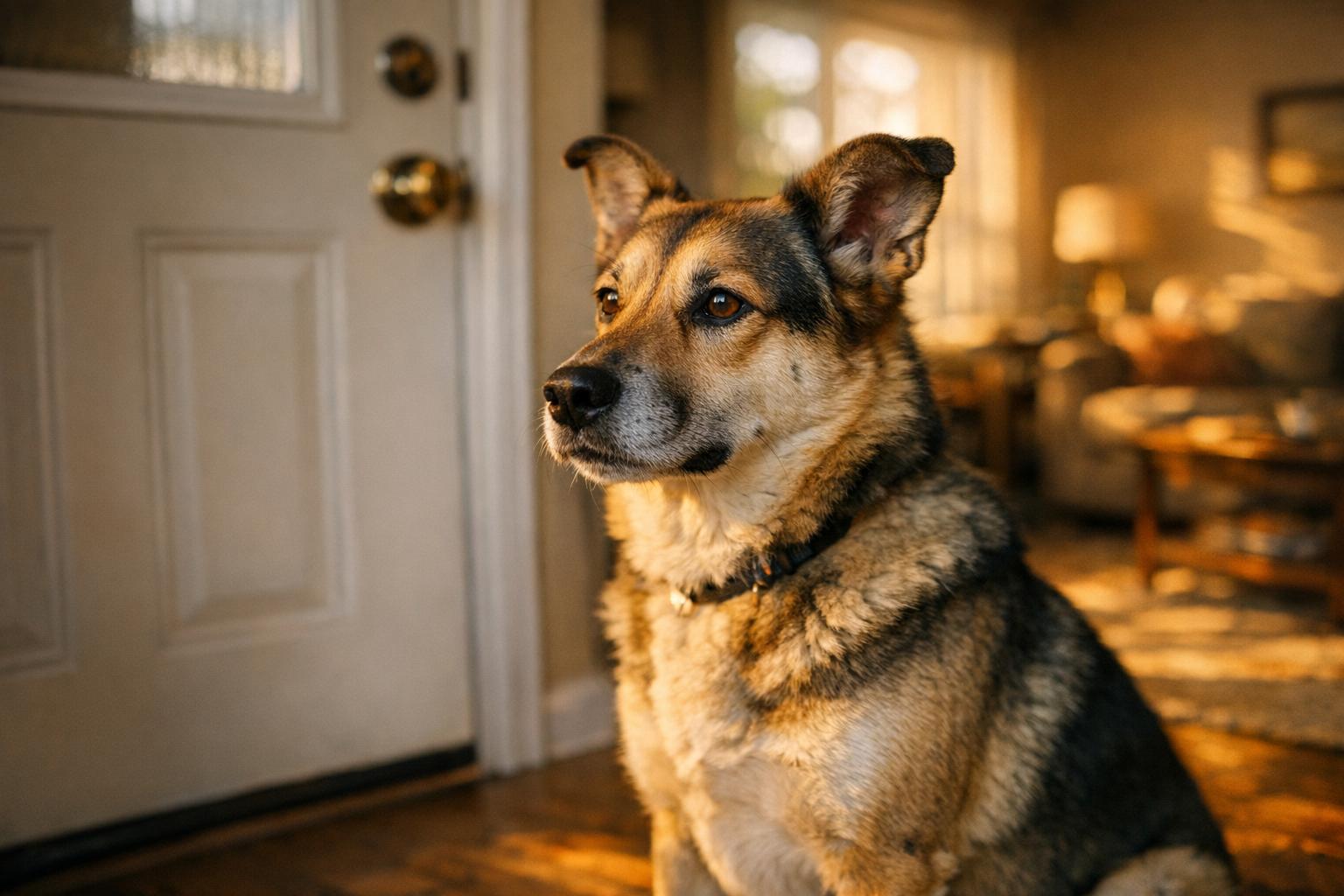
Experts say dogs do not read clocks but use internal rhythms, scent, sound and learned patterns to anticipate meals, walks and an owner’s return. Read On…


Experts say dogs do not read clocks but use internal rhythms, scent, sound and learned patterns to anticipate meals, walks and an owner’s return. Read On…
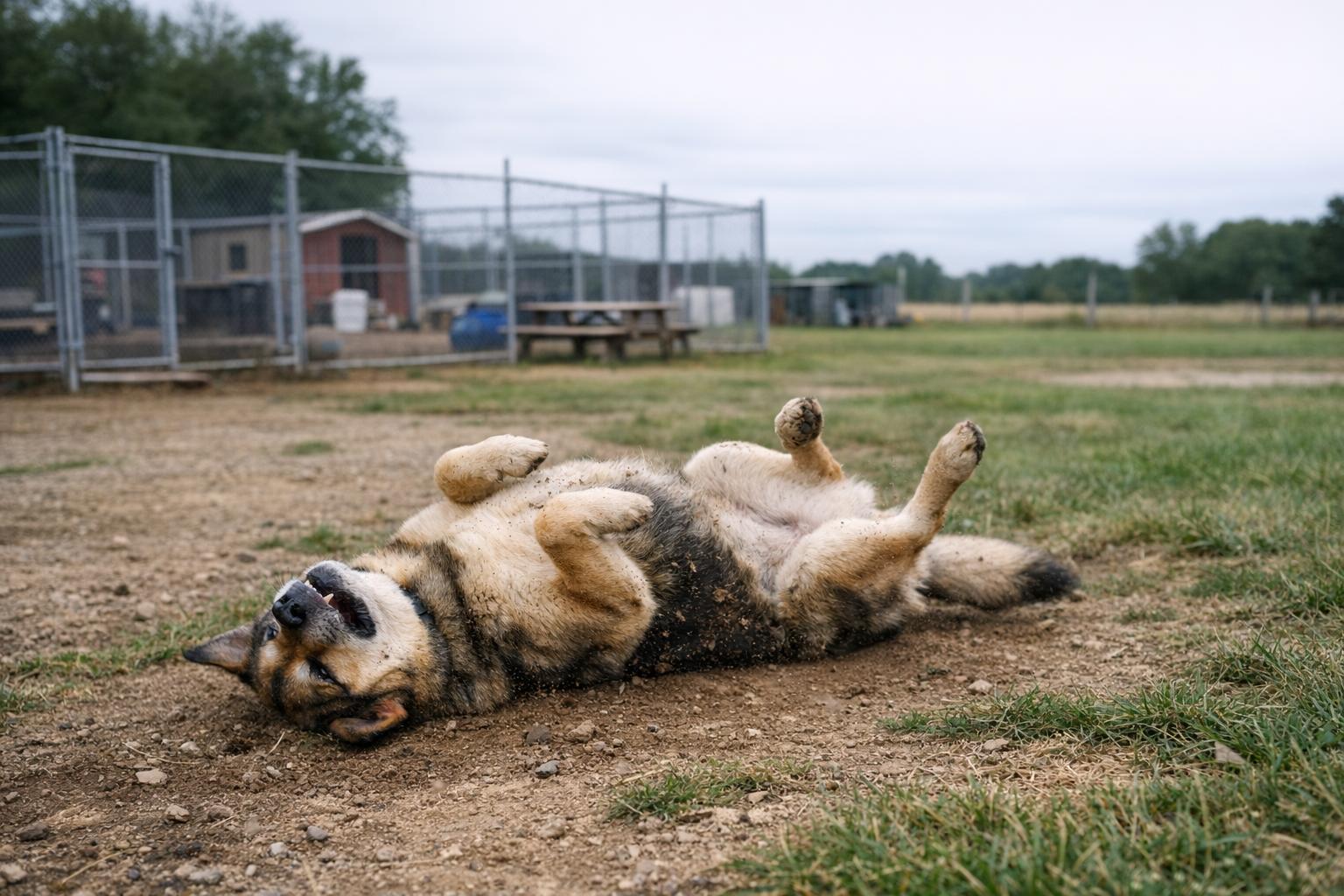
Dogs often roll in dirt, grass or other strong odors — a behavior Wolf Park researchers say carries scent to share with the group and is rooted in pack hunting ancestry. Read On…
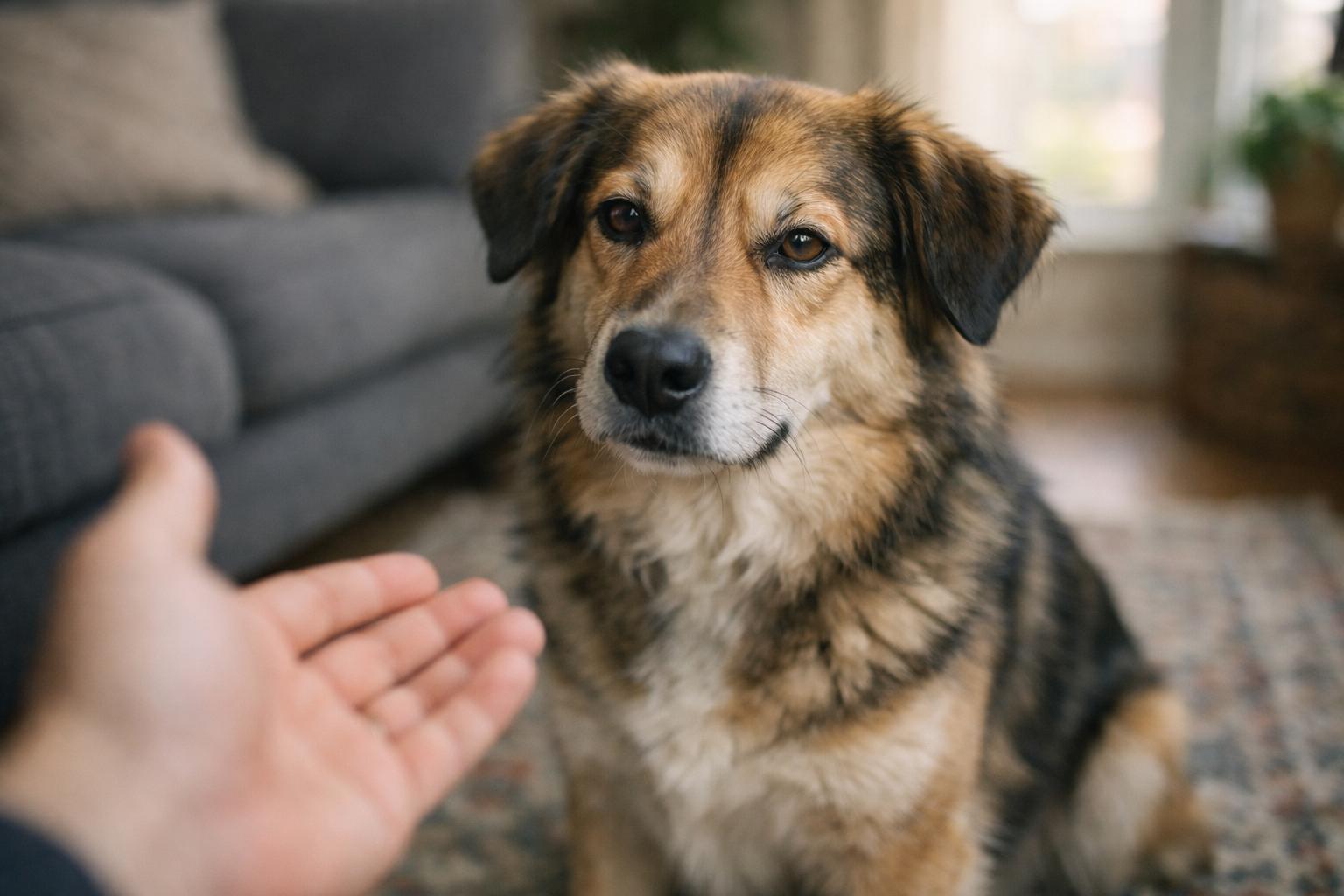
Certified trainers and a pet-care organization identify relaxed body language, brief soft eye contact and willingness to take treats as common signs a dog trusts its owner. Read On…
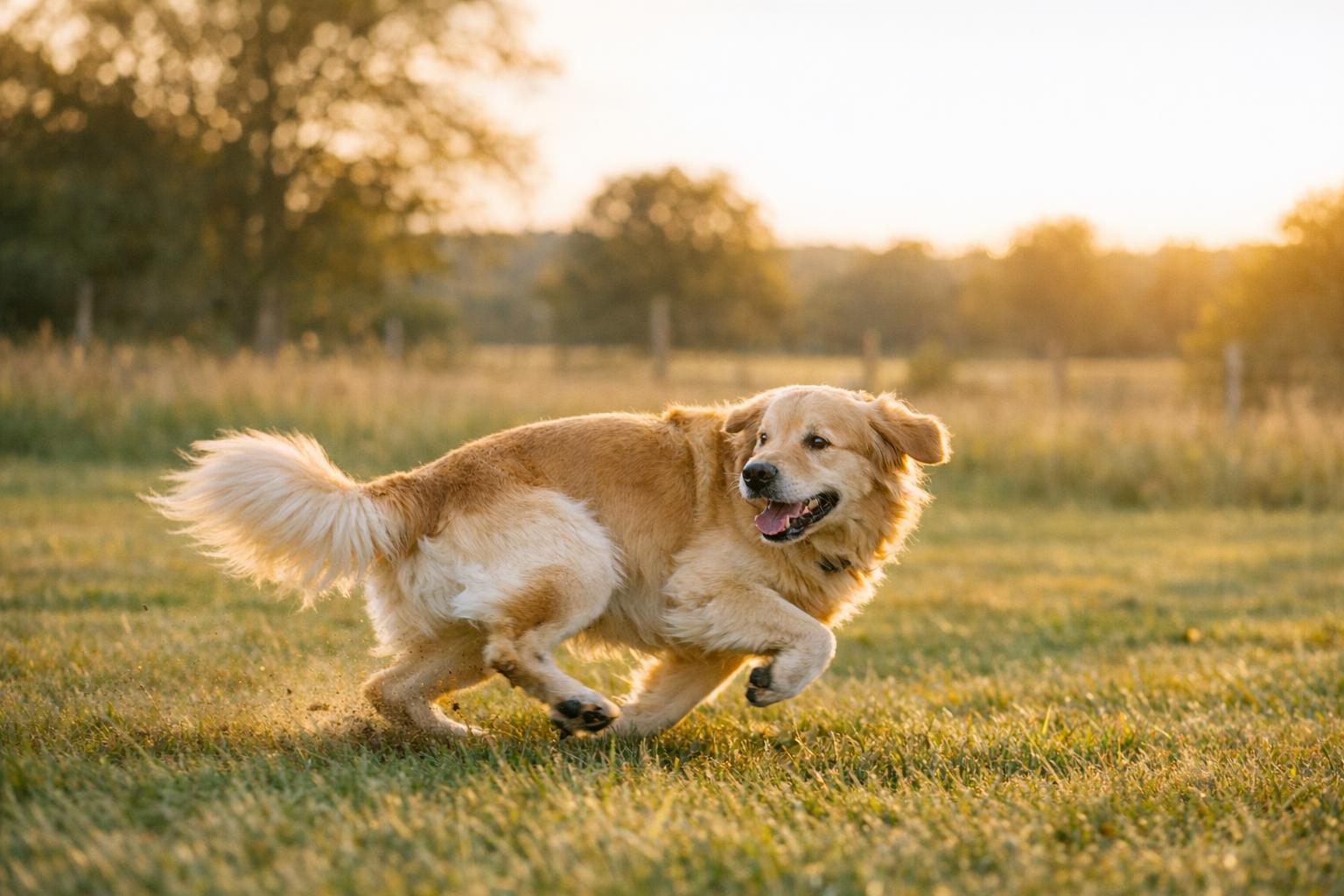
Experts including Sian Lawley-Rudd and Petrina Firth argue that dogs treat names as signals to pay attention, not as words that denote a self-concept; exceptional animals like Chaser show advanced word-learning but do not redefine the general rule. Read On…
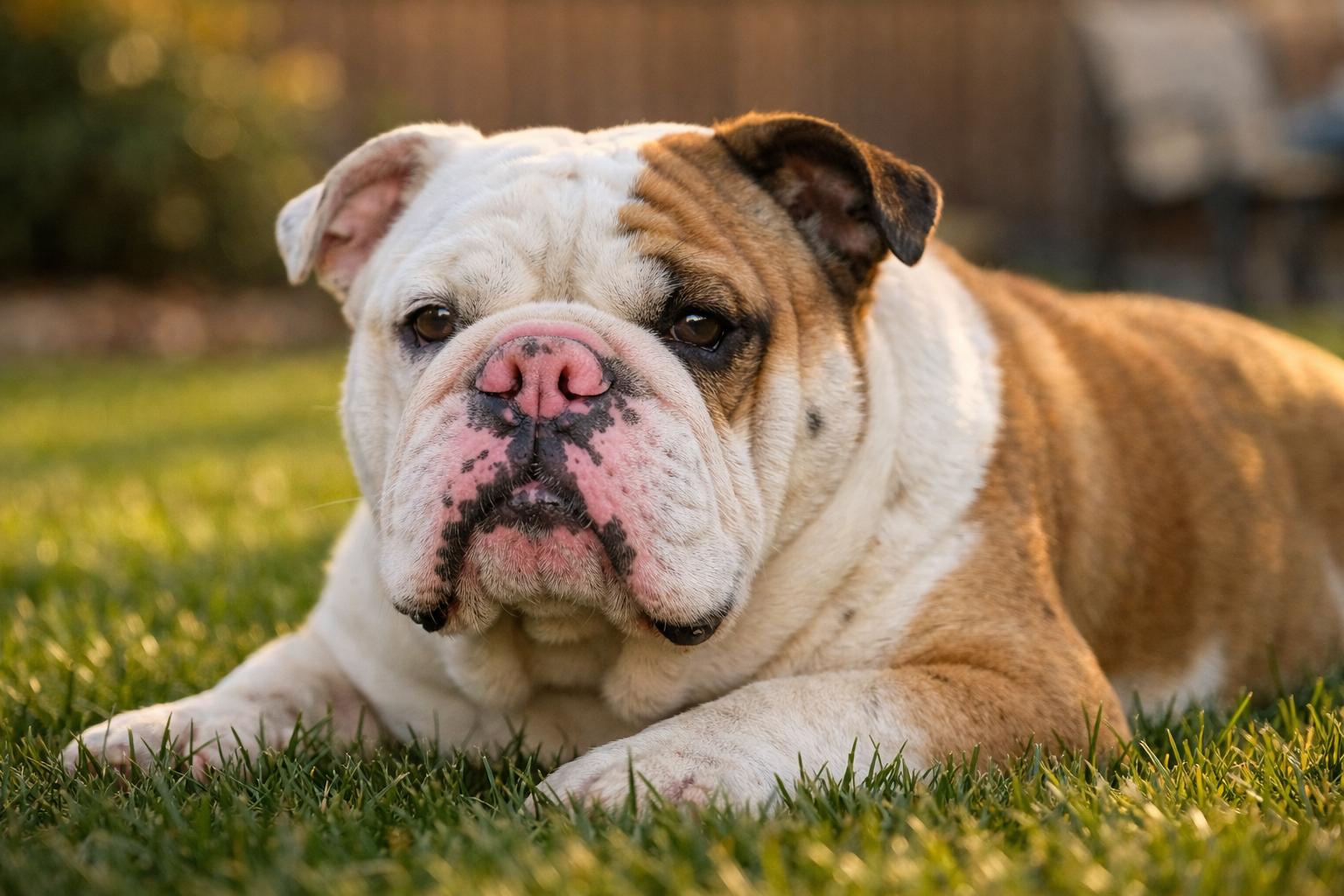
Veterinarians say heat, fireworks, sand and changes to routine are common summer stressors for dogs, and they offer practical observations and small solutions to keep animals comfortable. Read On…
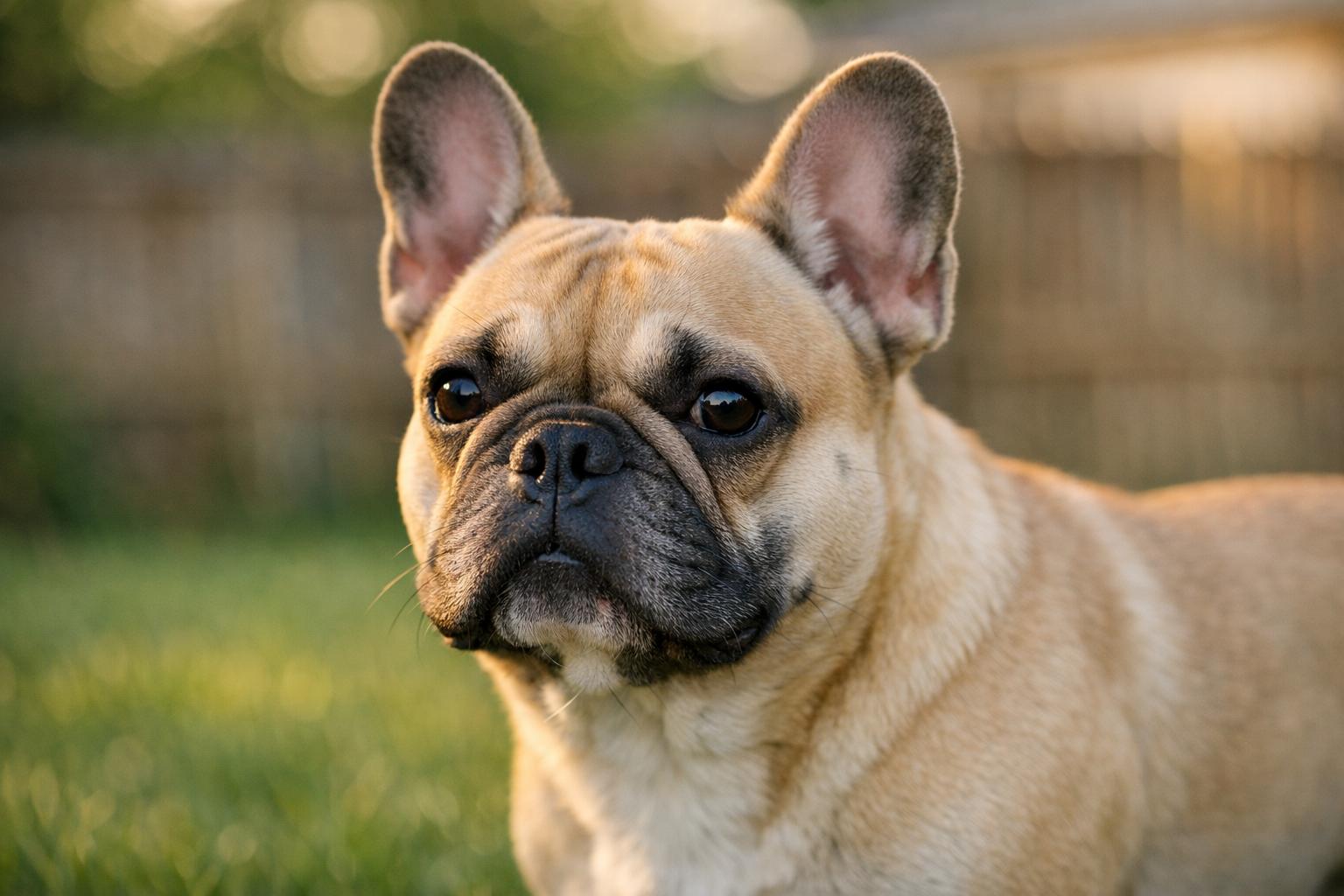
A study published by ethologists at Eötvös Loránd University on July 28, 2025, used questionnaire data collected in Germany on roughly 5,000 dogs to examine how head shape and other factors relate to behavior in short-nosed breeds such as French Bulldogs and Pugs. Read On…
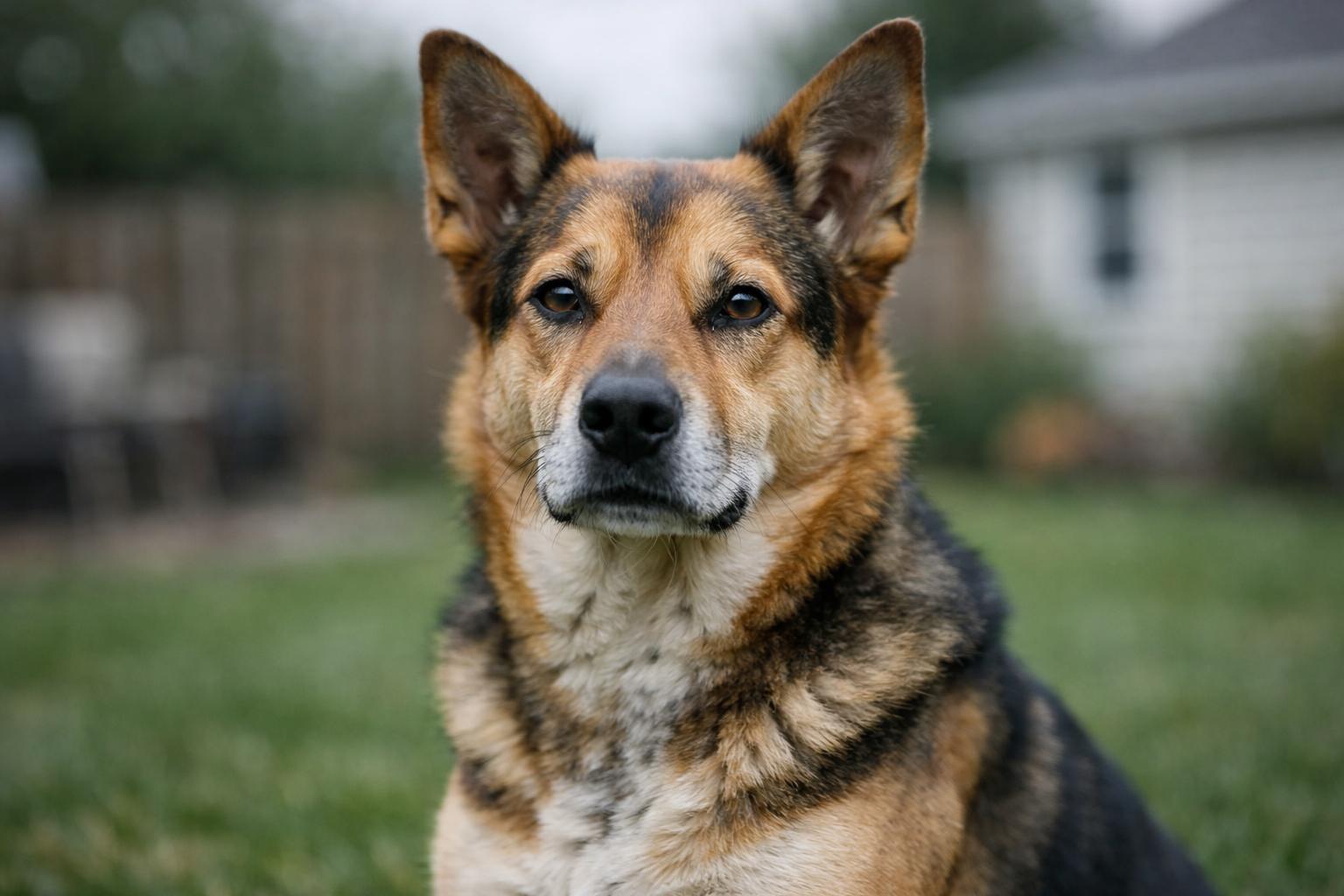
Trigger stacking happens when several stressful events build on one another and a dog can no longer cope, said Frankie Jackson of Canine Counseling. She describes the signs owners should watch for and simple interventions that can help. Read On…

A University of Cambridge study of 1,300 golden retrievers finds specific genetic variants help shape canine behaviours and overlap with genes tied to human emotional and cognitive traits. Read On…
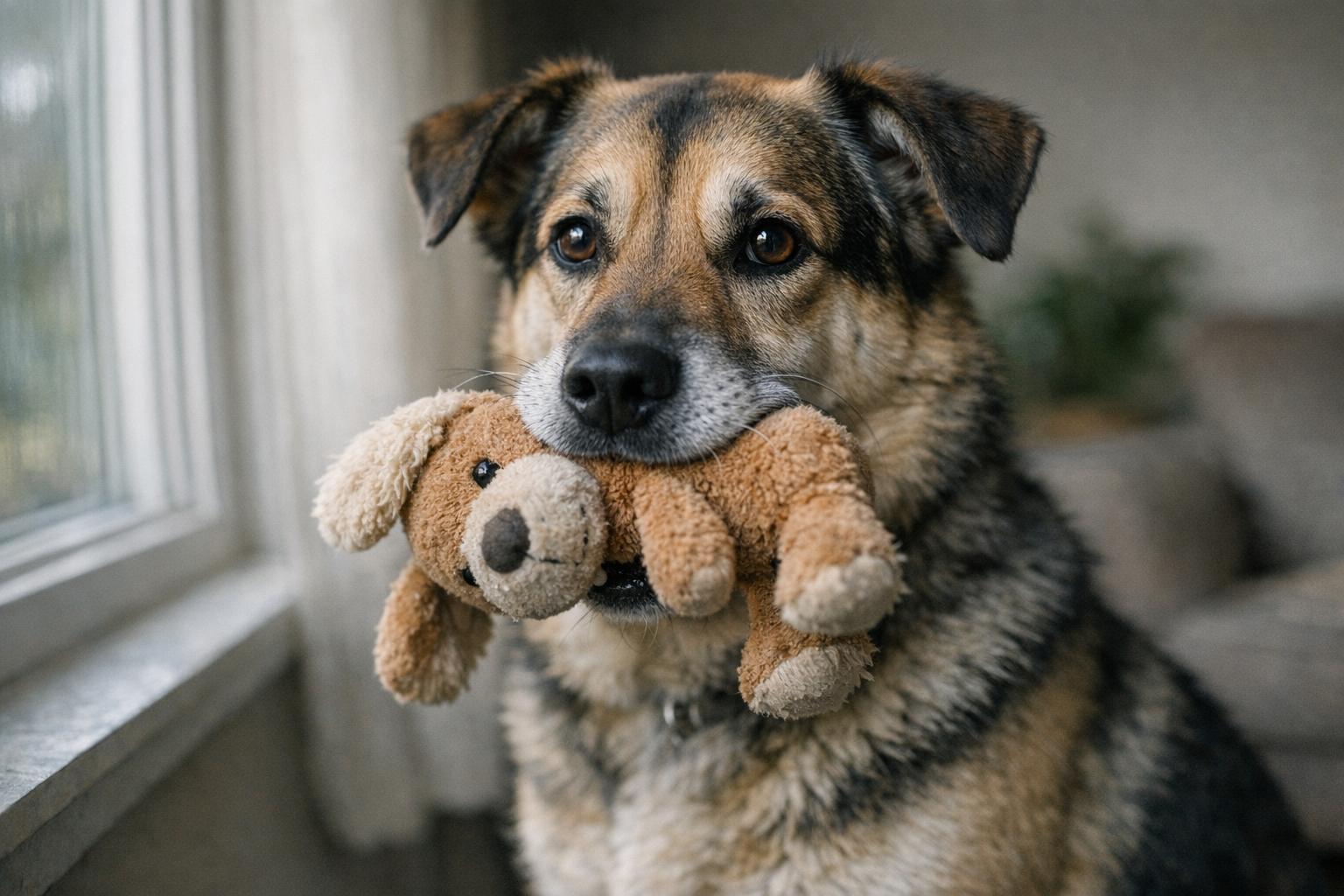
A University of Veterinary Medicine Vienna study examined excessive toy motivation in dogs and found signs that a subset of pets may behave in ways resembling behavioural addiction. Read On…
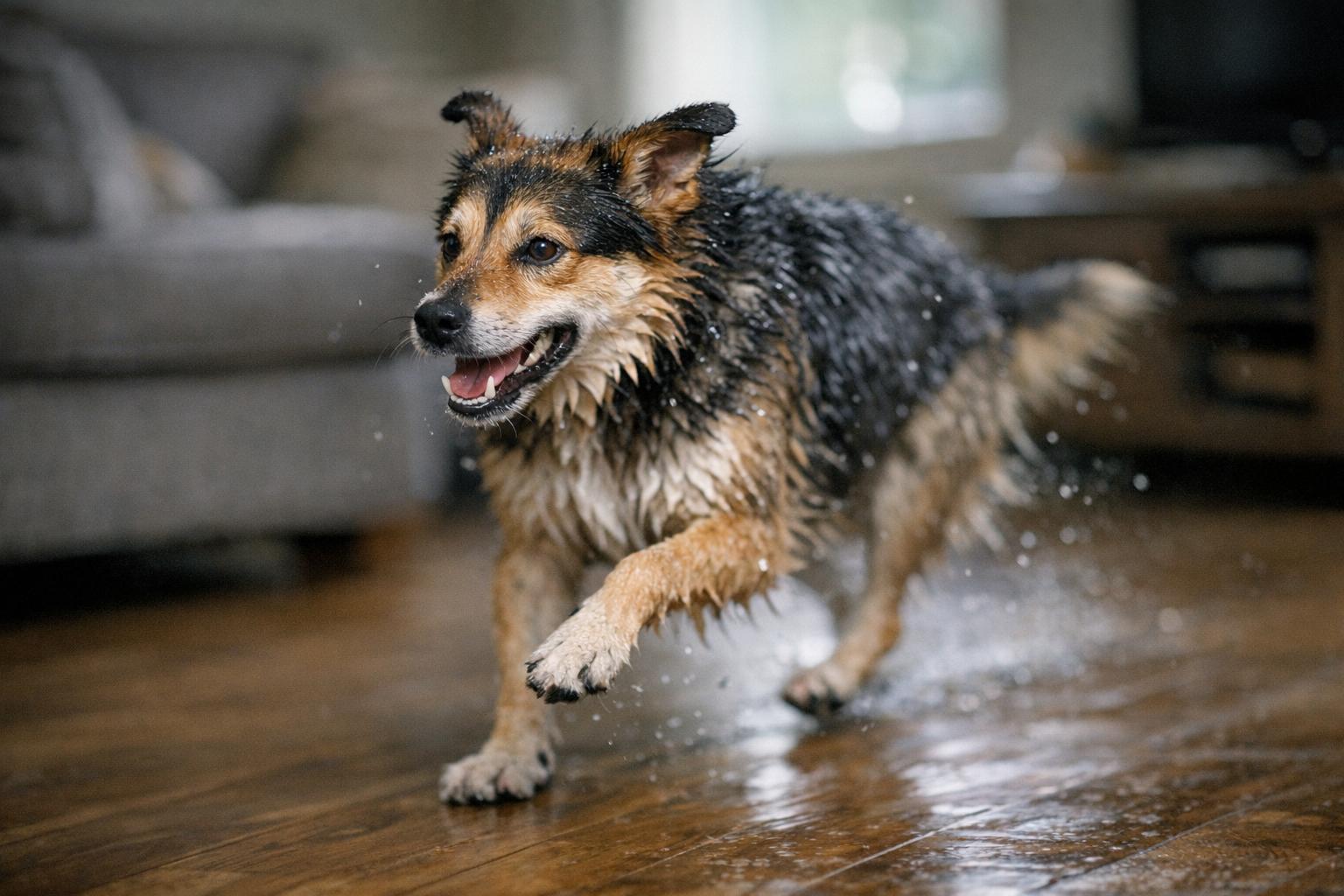
After baths, swims or rain, dogs often erupt into short bursts of frantic activity. Experts say those 'wet zoomies' can reflect pleasure, an adrenaline surge, or an overstimulated response. Read On…