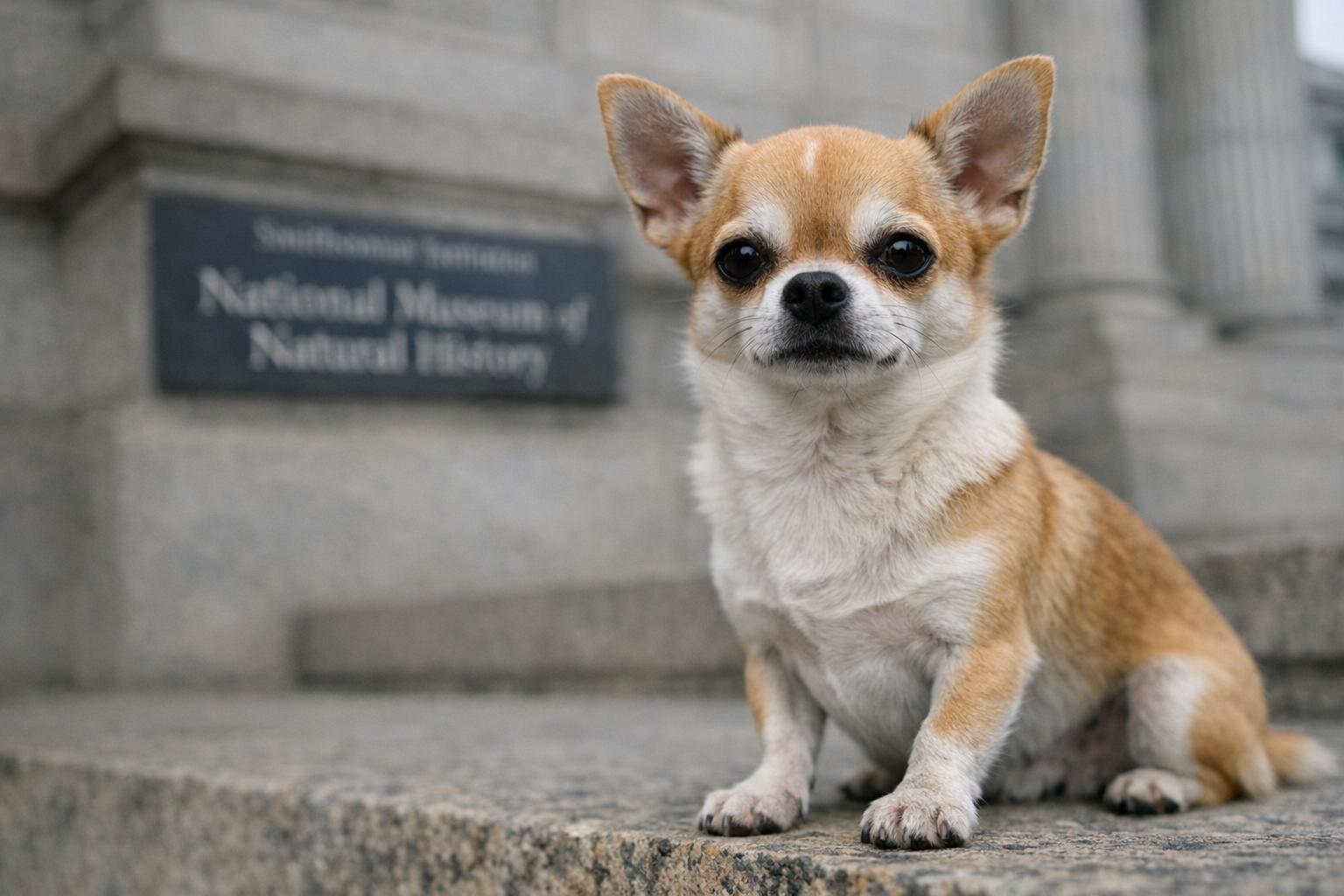
Researchers reporting on Nov. 24 say analysis of 2,700 genomes shows that most modern dog breeds retain traces of wolf ancestry from relatively recent interbreeding, with influences on scent genes and certain behavioral tendencies. Read On…


Researchers reporting on Nov. 24 say analysis of 2,700 genomes shows that most modern dog breeds retain traces of wolf ancestry from relatively recent interbreeding, with influences on scent genes and certain behavioral tendencies. Read On…
Scientists report that modern dogs often retain a sliver of wolf ancestry, a finding that reshapes ideas about canine evolution and could help explain certain breed traits. Read On…
Experts say dogs do not read clocks but use internal rhythms, scent, sound and learned patterns to anticipate meals, walks and an owner’s return. Read On…
Researchers report that tiny snippets of wolf DNA persist across many modern dog breeds, a legacy of low-level gene flow that likely aided adaptation to human settings, lead author Audrey Lin said. Read On…
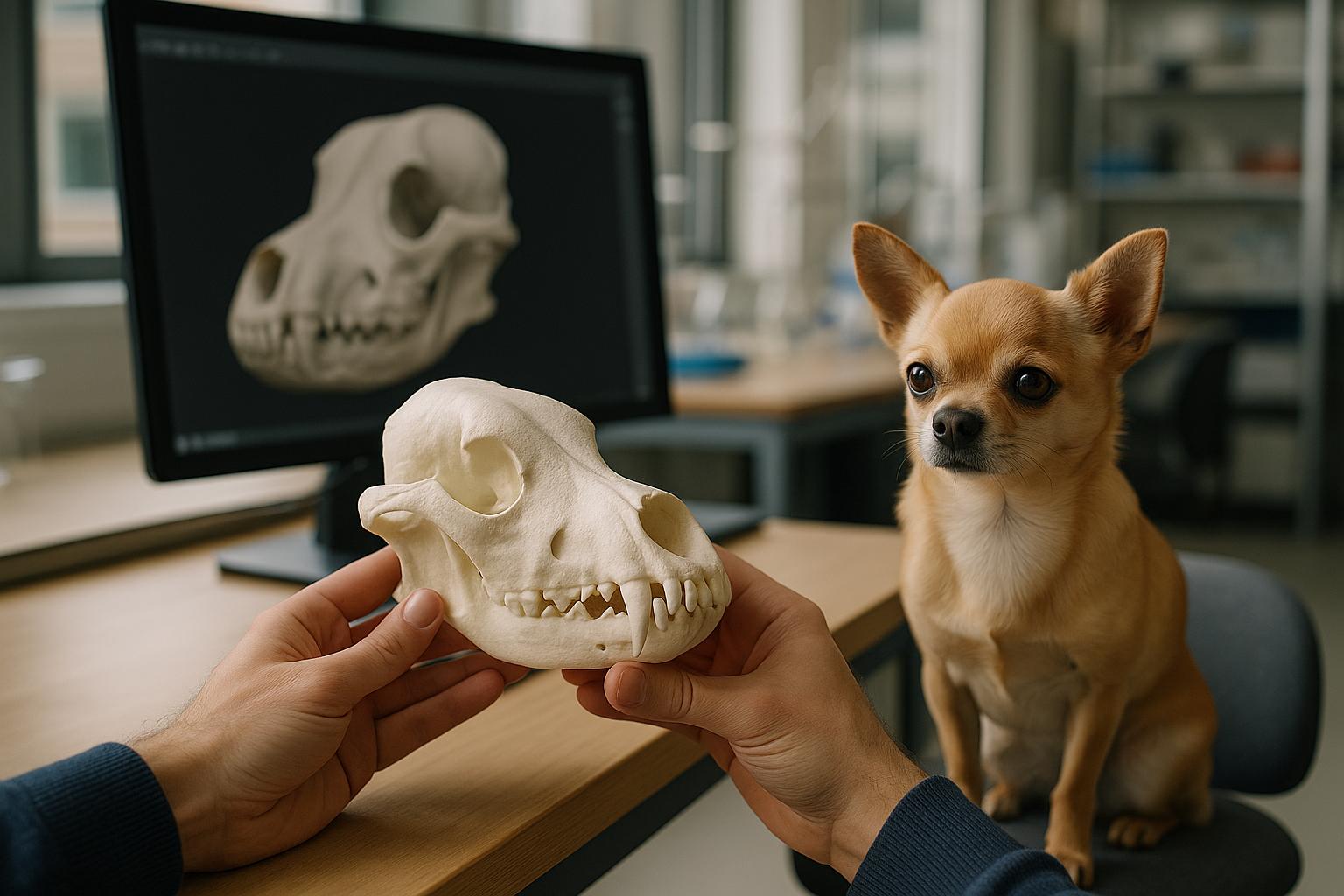
Researchers at the University of Montpellier and the University of Exeter analysed more than 600 skulls and conclude that dogs had already developed a wide range of shapes by nearly 11,000 years ago. Read On…
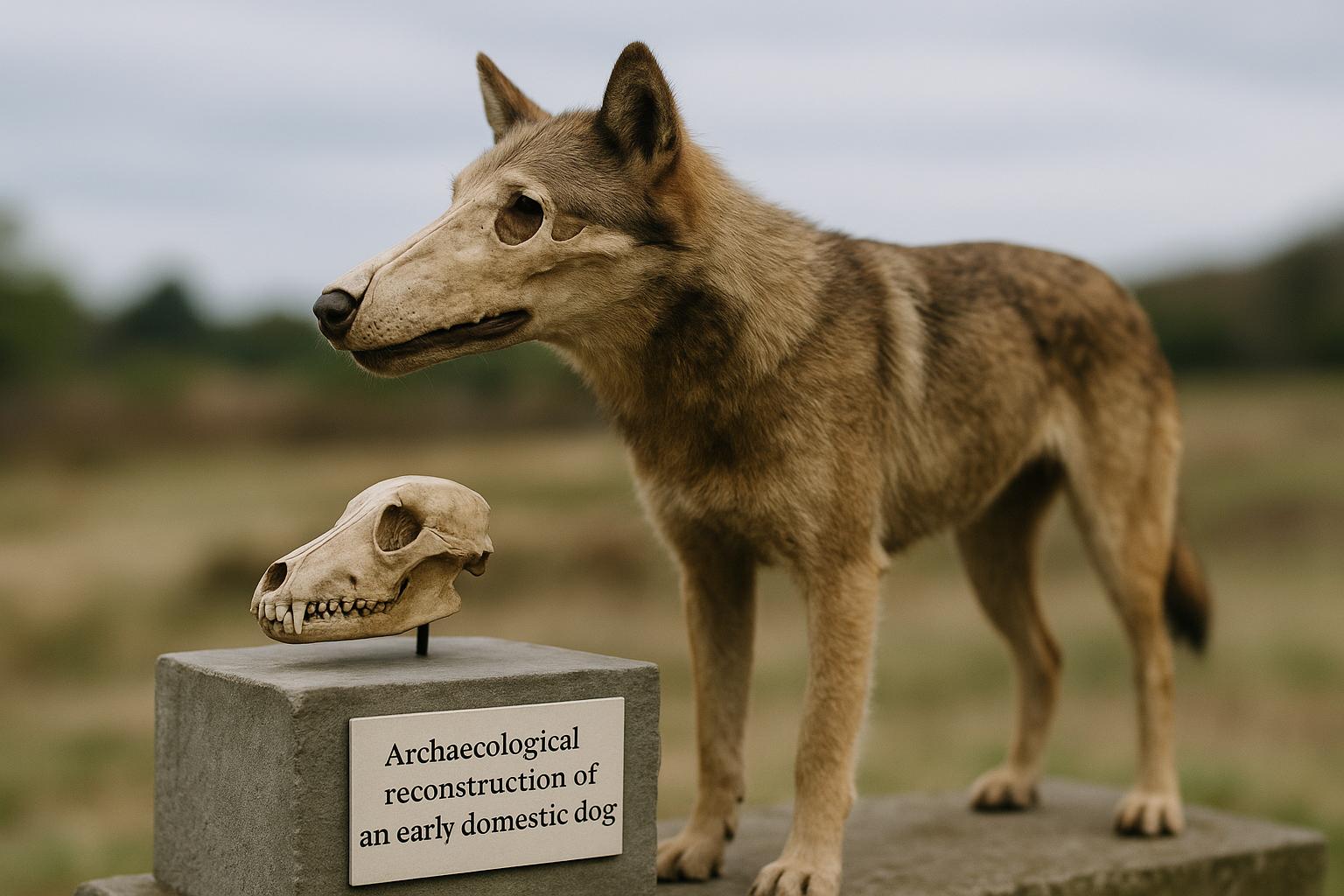
A new study published in Science reports that domestic dogs had a wide range of skull shapes and sizes by the Mesolithic, with specimens from Veretye, Russia, around 11,000 years old showing substantial morphological diversity. Read On…
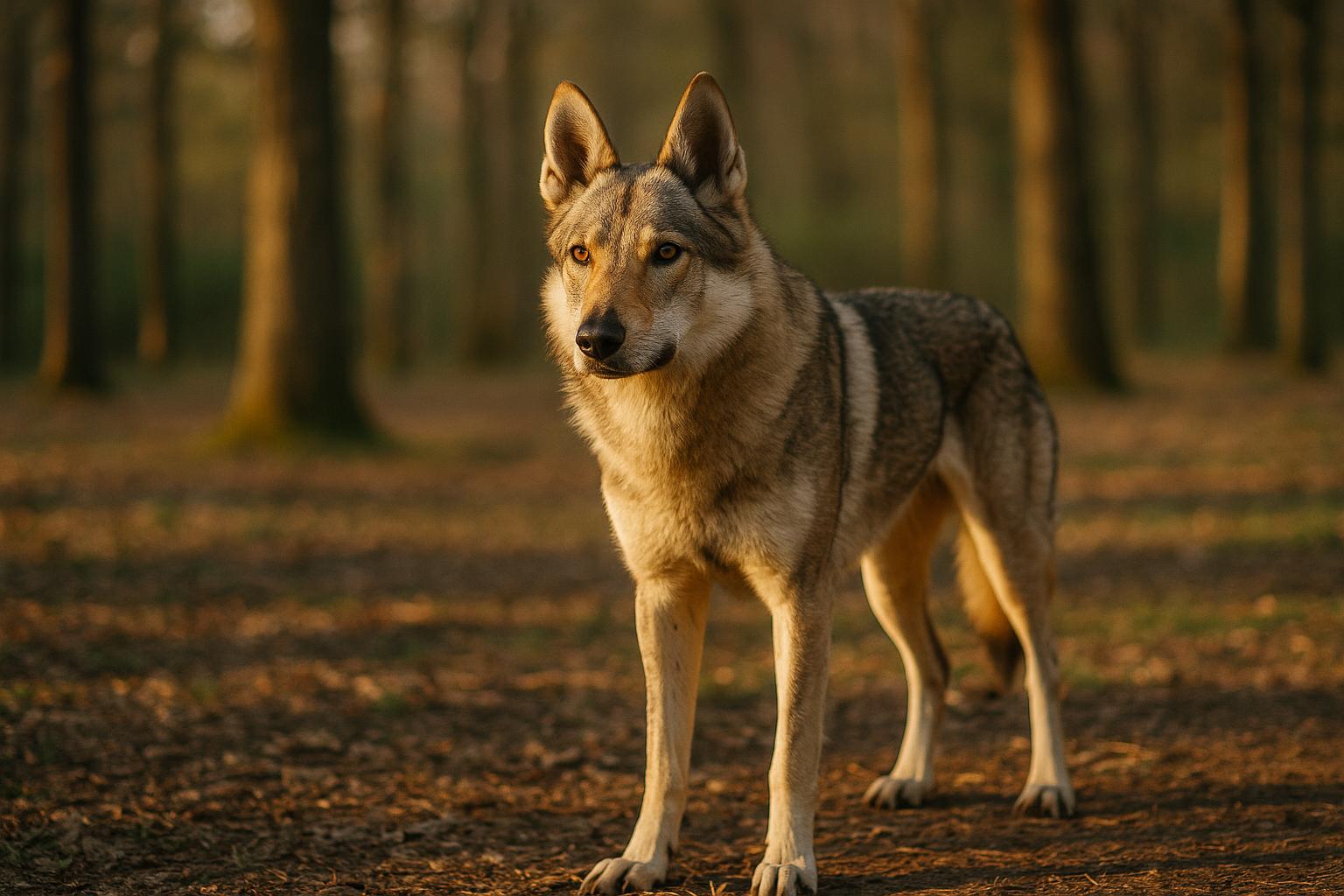
A genomic study published on Monday found that almost two-thirds of modern dog breeds have detectable wolf ancestry, with some wolf‑dog breeds carrying as much as 40 percent wolf DNA, researchers said. Read On…
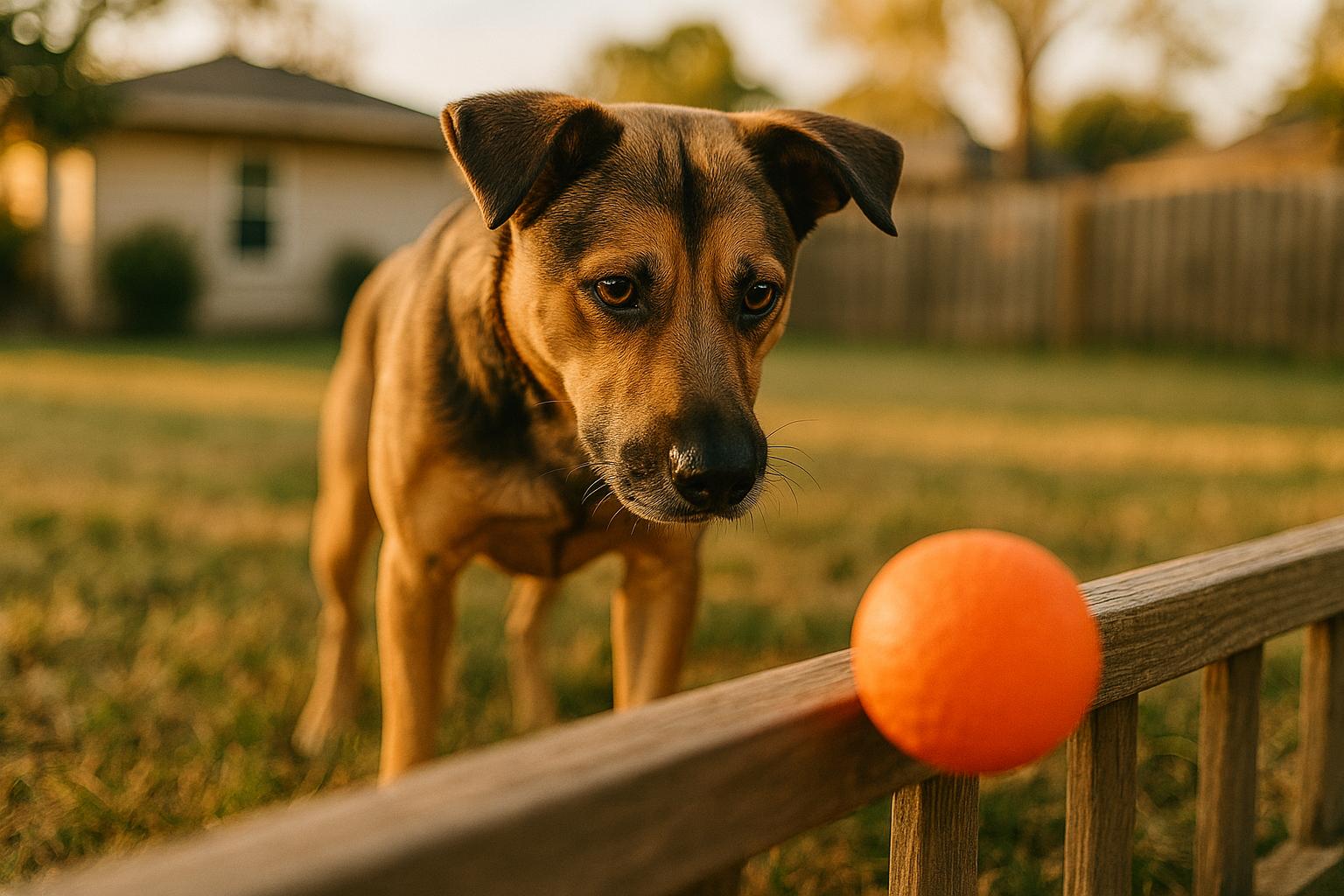
Researchers reporting in Scientific Reports say 33 out of 105 highly play-motivated dogs showed behaviour resembling addiction: intense toy-seeking, fixation on inaccessible toys and reduced interest in other stimuli, notably in working breeds. Read On…
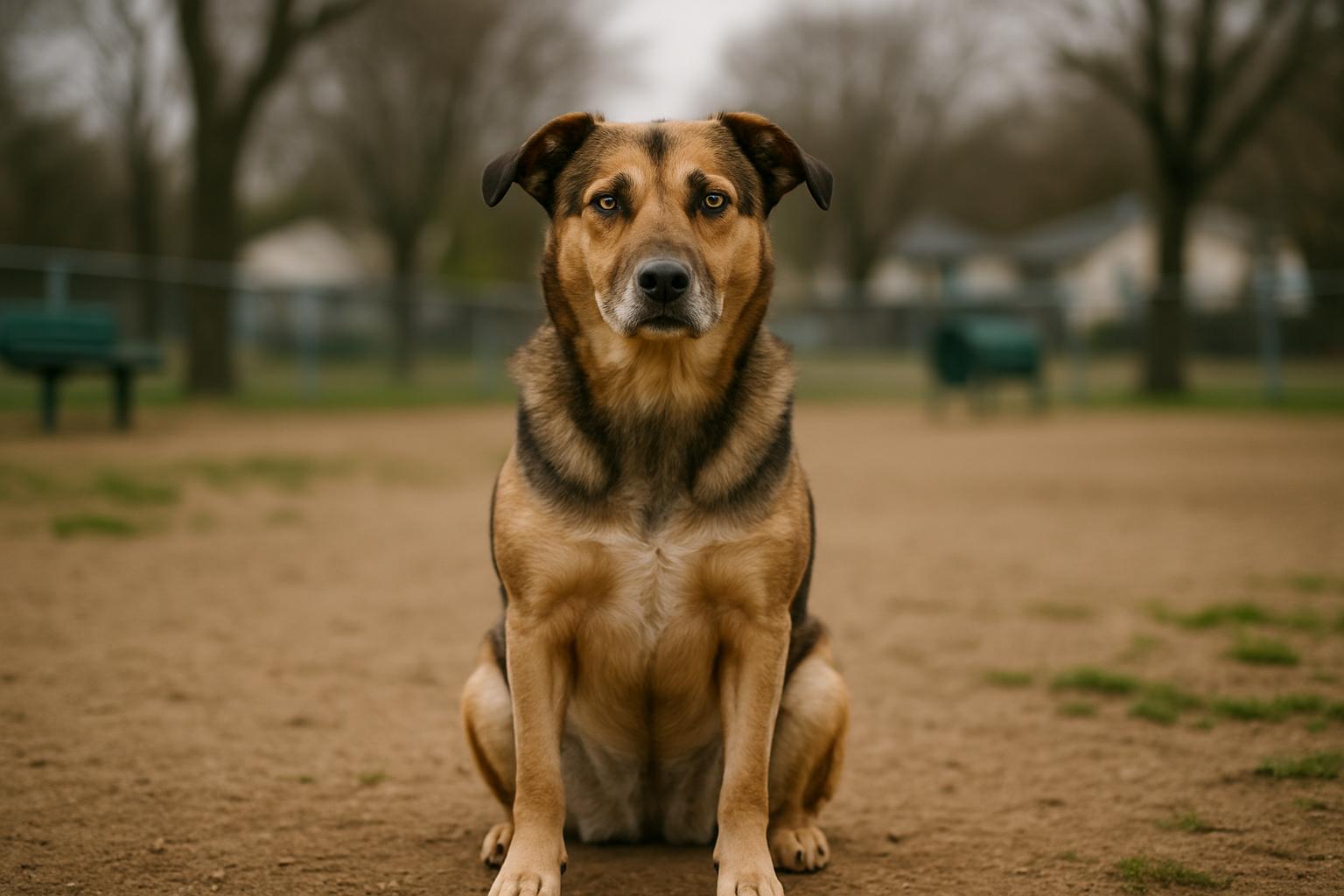
A commentator traces the genetic connection between dogs and humans to a common ancestor about 94 million years ago and warns that a study linking single genes to behavior ignores wider genetic interplay. Read On…
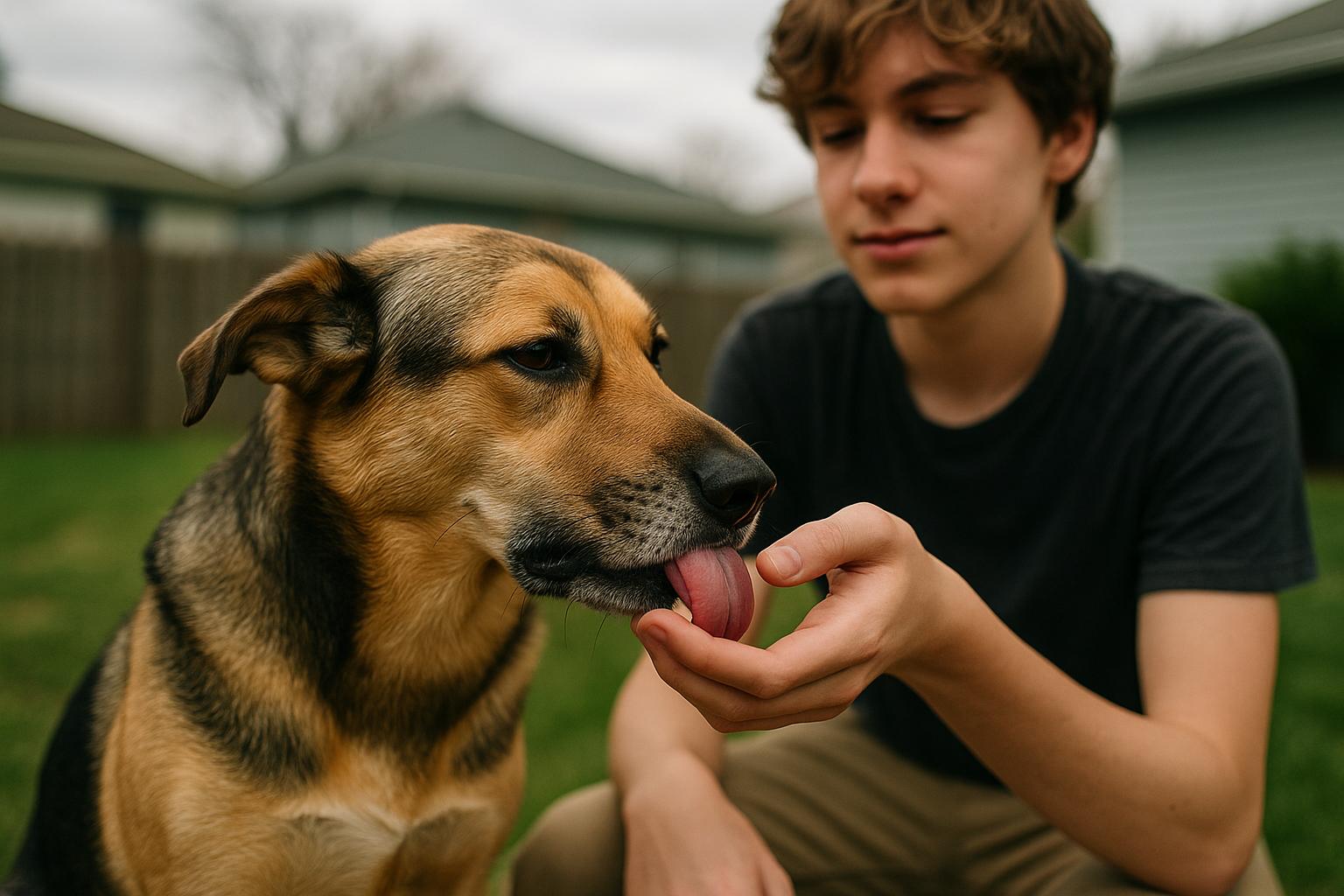
A team at Azabu University analysed saliva and microbiota in 345 teenagers and reports that microbes associated with dogs — transferred in part by licking and kissing — may be linked to improved social behaviour and mental wellbeing. Read On…