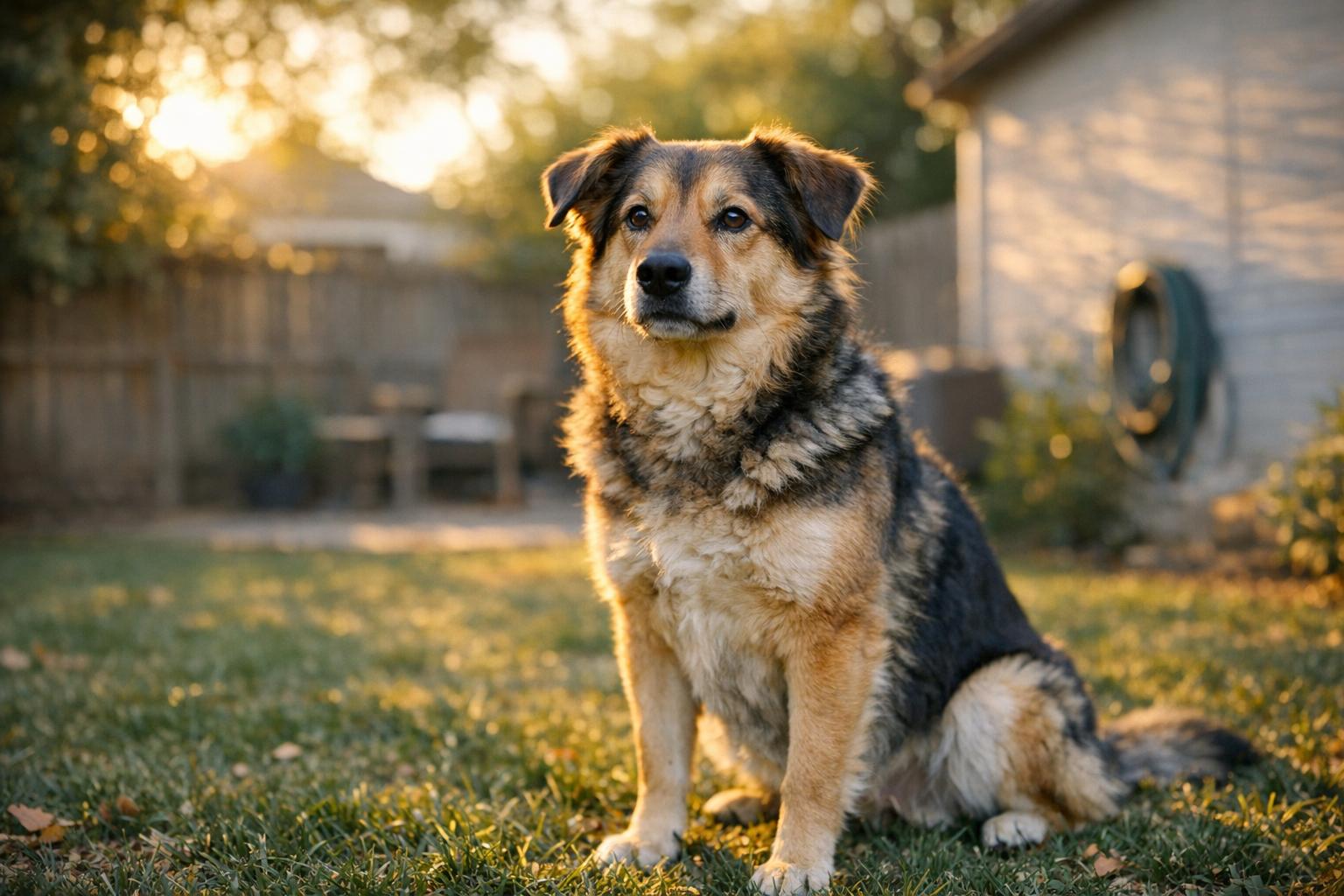
Scientists report that modern dogs often retain a sliver of wolf ancestry, a finding that reshapes ideas about canine evolution and could help explain certain breed traits. Read On…


Scientists report that modern dogs often retain a sliver of wolf ancestry, a finding that reshapes ideas about canine evolution and could help explain certain breed traits. Read On…
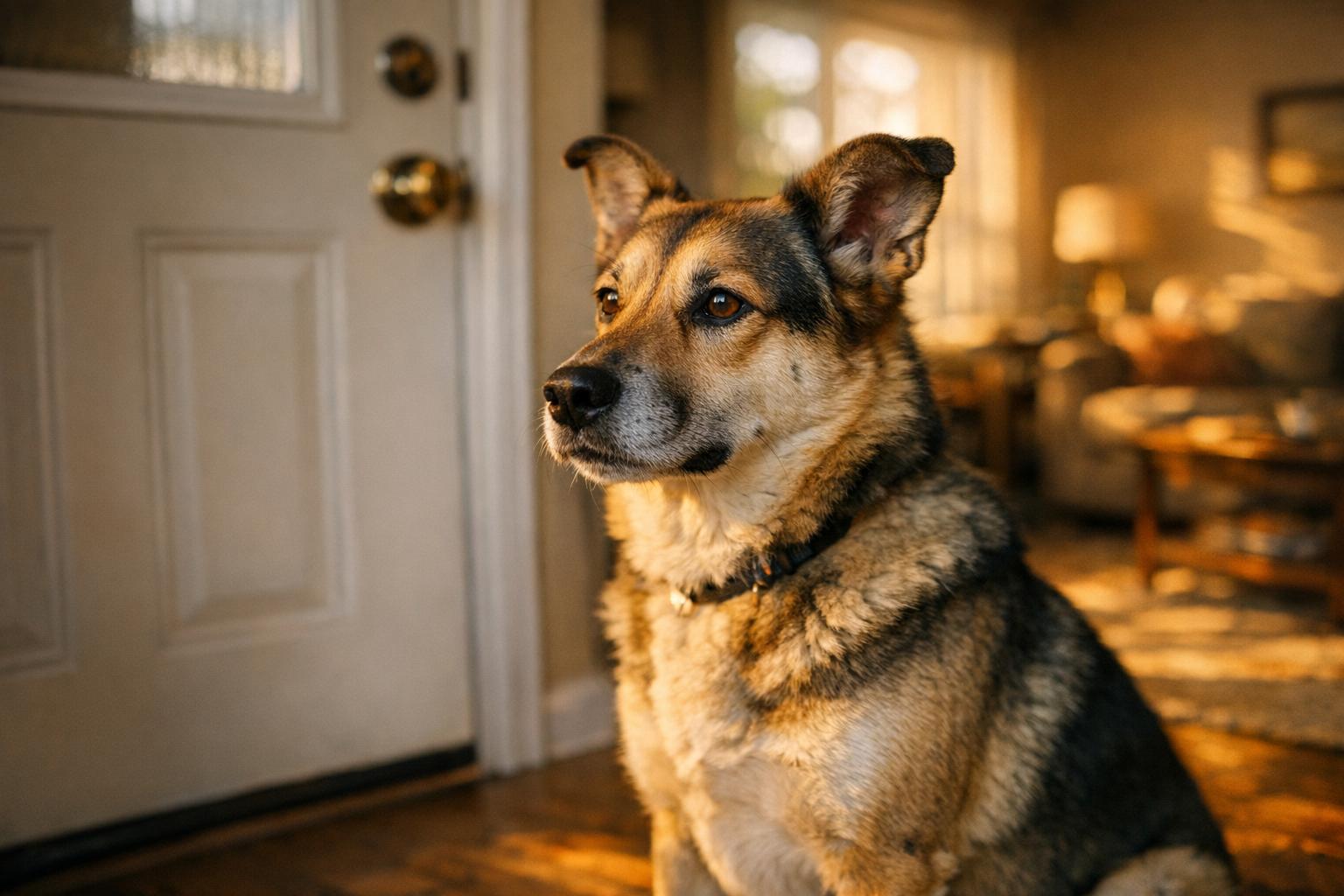
Experts say dogs do not read clocks but use internal rhythms, scent, sound and learned patterns to anticipate meals, walks and an owner’s return. Read On…

A study published by ethologists at Eötvös Loránd University on July 28, 2025, used questionnaire data collected in Germany on roughly 5,000 dogs to examine how head shape and other factors relate to behavior in short-nosed breeds such as French Bulldogs and Pugs. Read On…

A University of Cambridge study of 1,300 golden retrievers finds specific genetic variants help shape canine behaviours and overlap with genes tied to human emotional and cognitive traits. Read On…
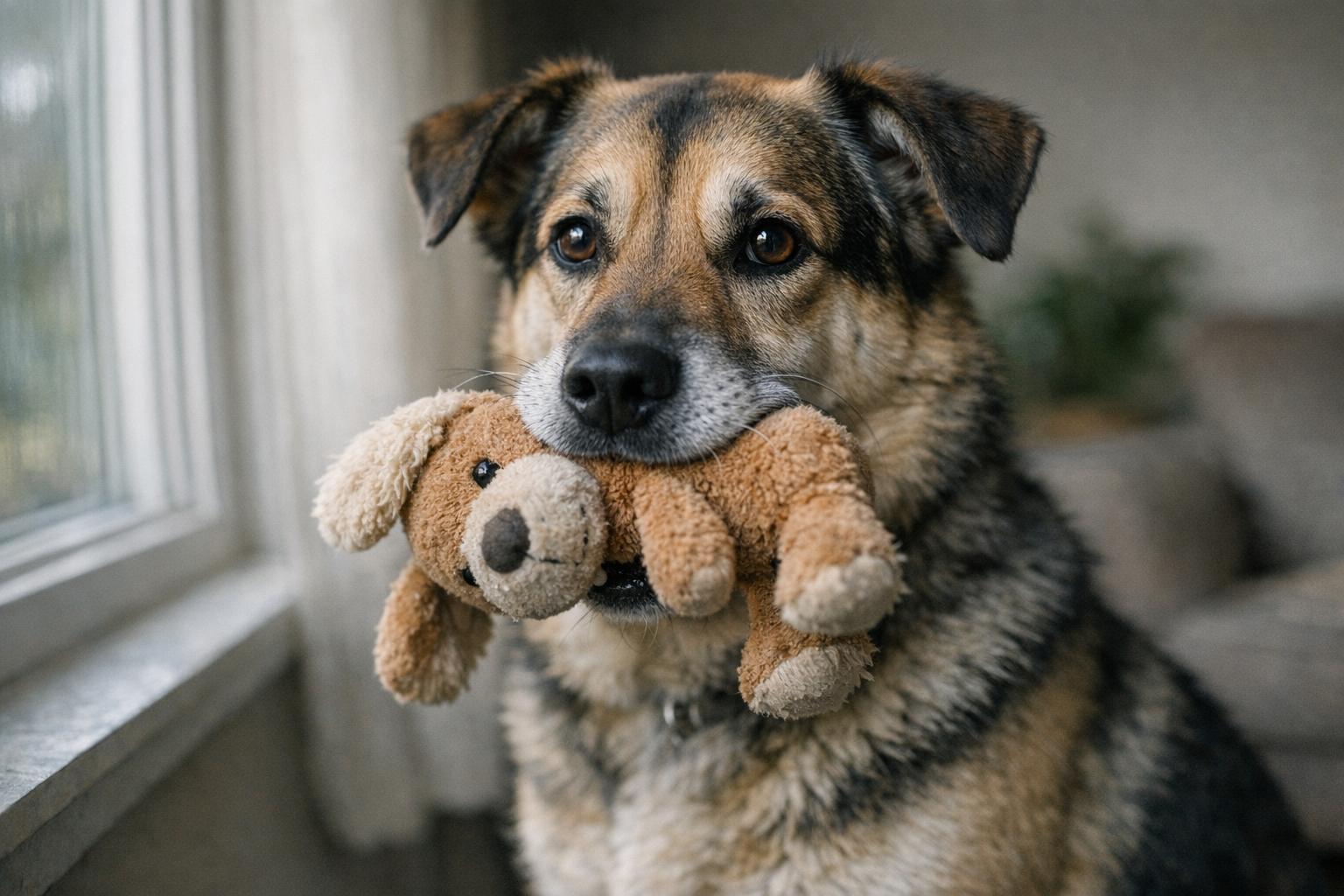
A University of Veterinary Medicine Vienna study examined excessive toy motivation in dogs and found signs that a subset of pets may behave in ways resembling behavioural addiction. Read On…
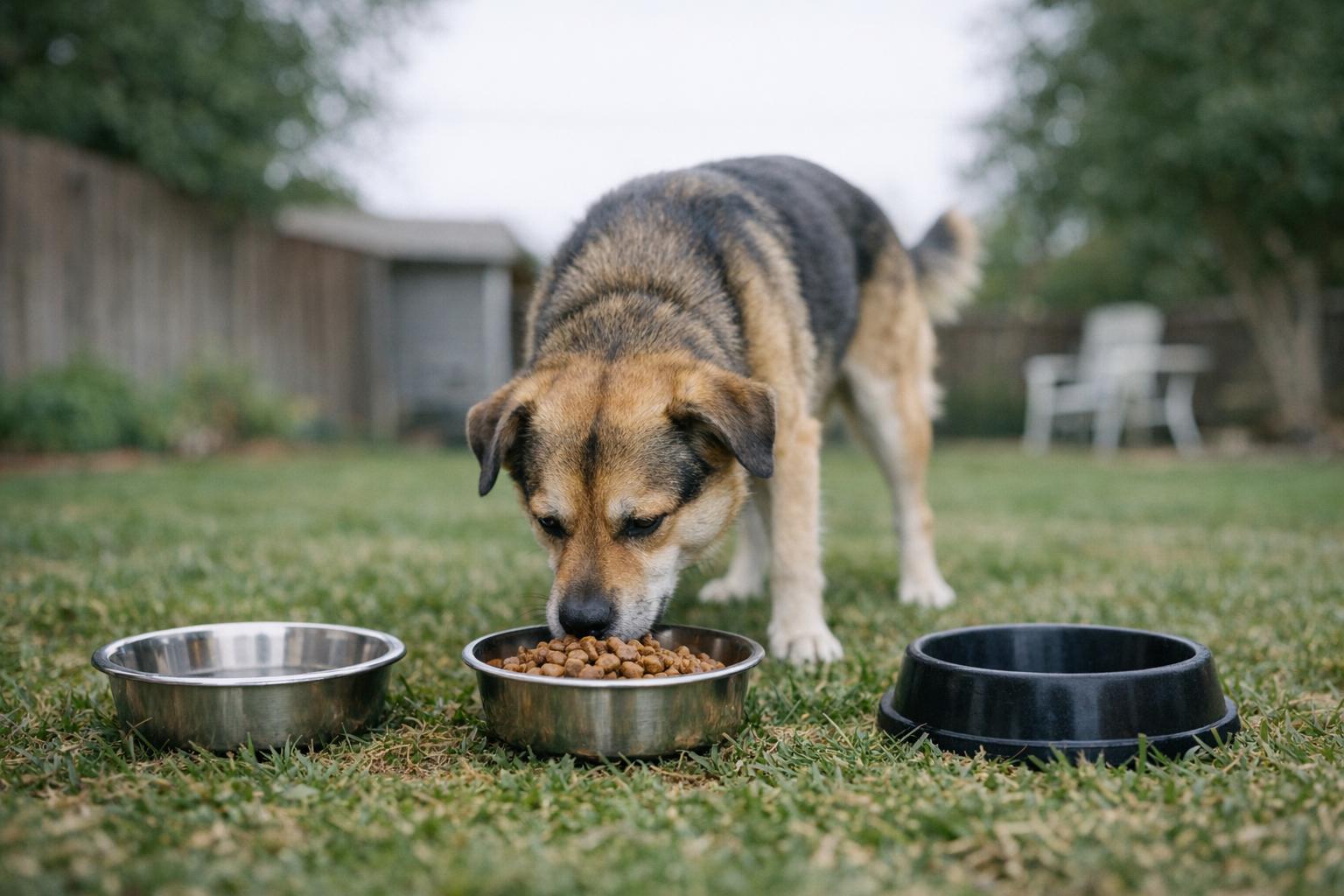
A University of Bristol study led by Dr. Zoe Parr-Cortes tested 18 dogs in 2024 and found that human stress and relaxation odors influence canine behaviour, with stress scents making dogs less willing to take a perceived risk. Read On…

Margaret and Richard Riney have pledged $30 million to endow the Cornell Margaret and Richard Riney Canine Health Center at the College of Veterinary Medicine, funding research, outreach and grants to support canine health and early-career investigators. Read On…
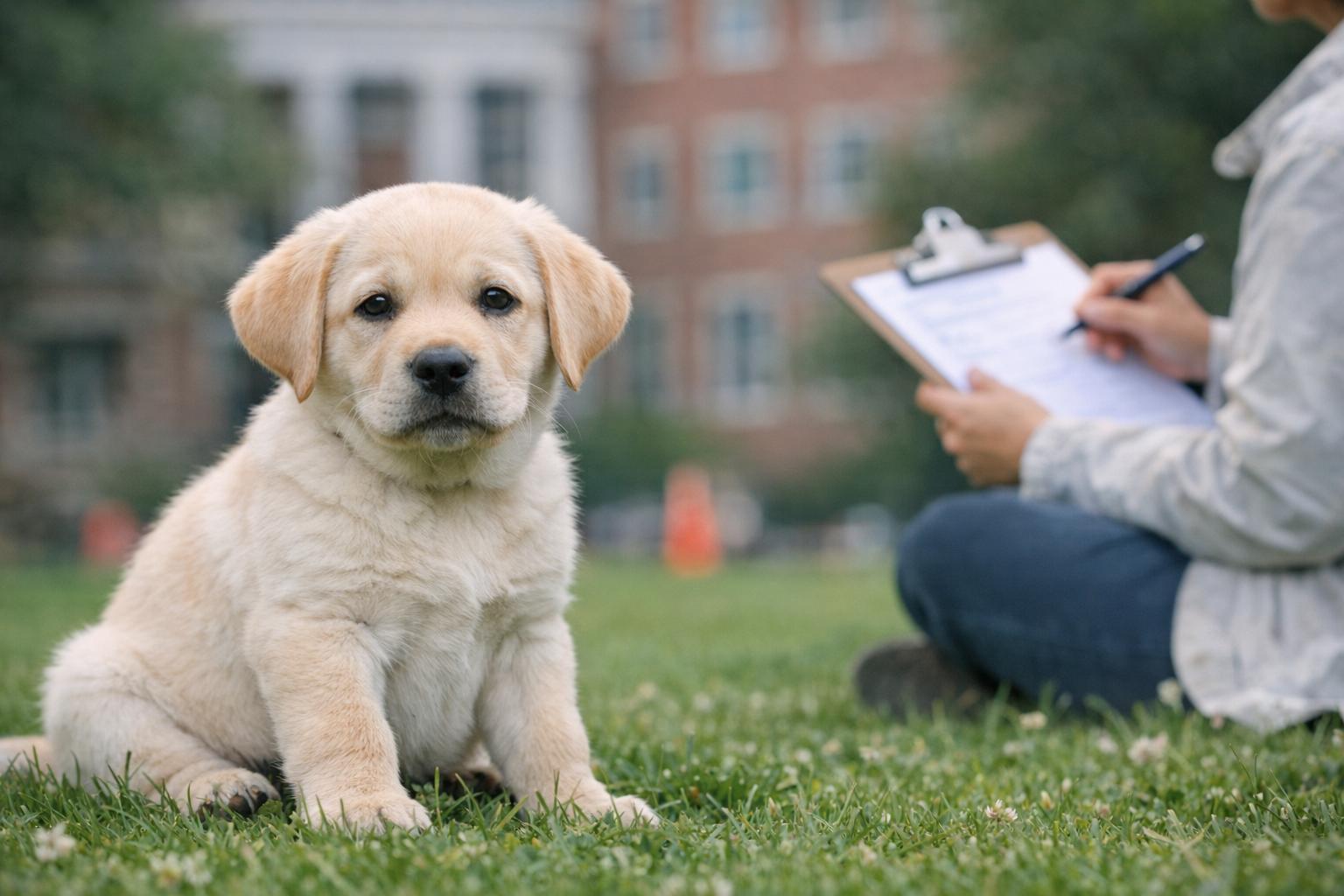
Duke University researchers tested 101 Labrador and golden retriever puppies to track when distinct cognitive skills appear between 8 and 20 weeks of age, a timeline that could inform how dogs are matched to roles with people. Read On…

Research led by the Royal Veterinary College, published June 11, showed six breeds — Maltese, Miniature Poodle, Cavapoo, German Shepherd, Yorkshire Terrier and Cockapoo — were significantly more likely to receive a diarrhea diagnosis, and dogs three years and under and those nine and older faced higher odds. Read On…

A study published in the journal Anthrozoös by Arizona State University researchers suggests many dog owners misinterpret canine emotions by focusing on context—treats or scolding—rather than the animal's body language. Read On…