Posts Tagged ‘veterinary research’

Texas A&M study finds more than 99% of U.S. dogs show at least one problematic behavior

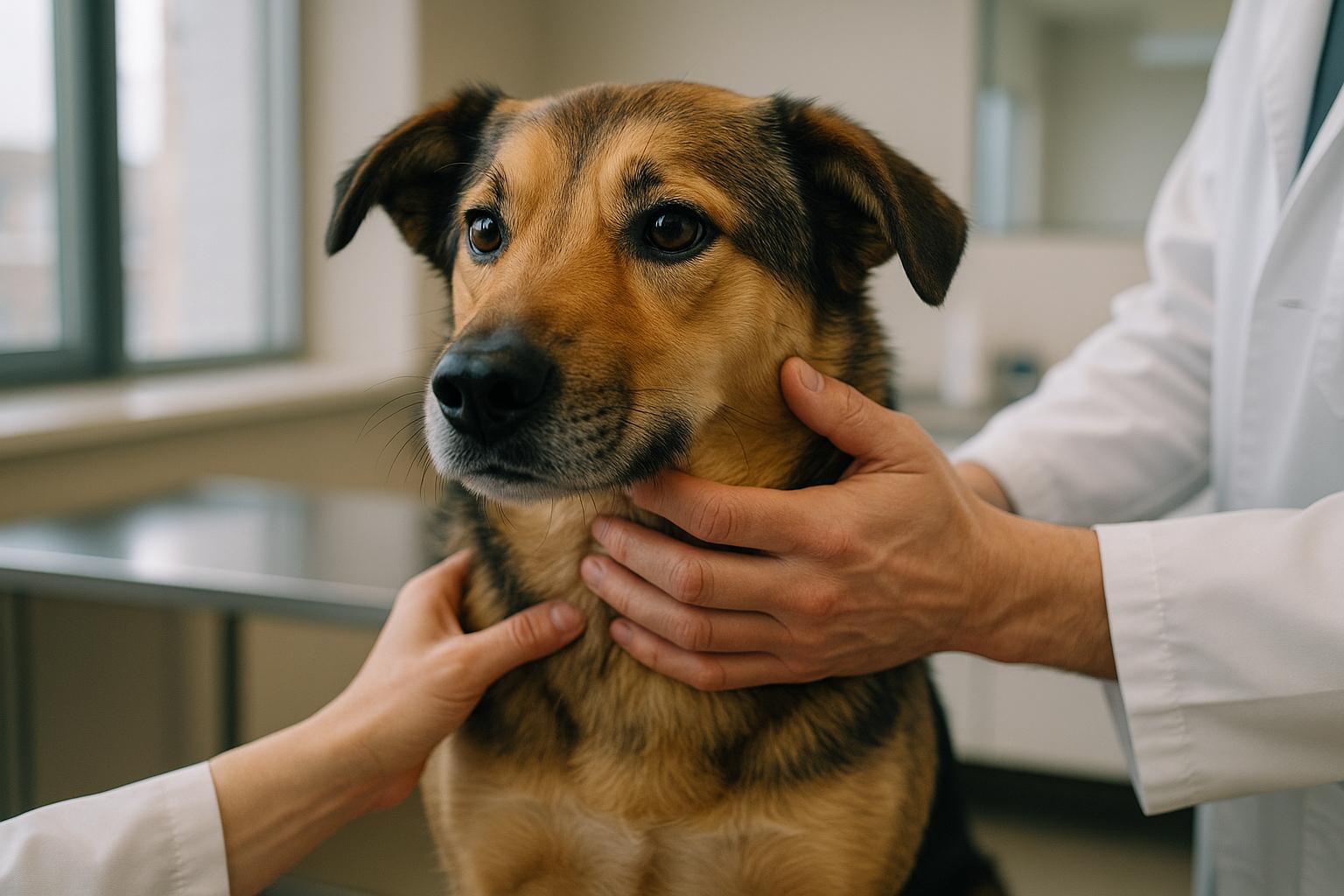
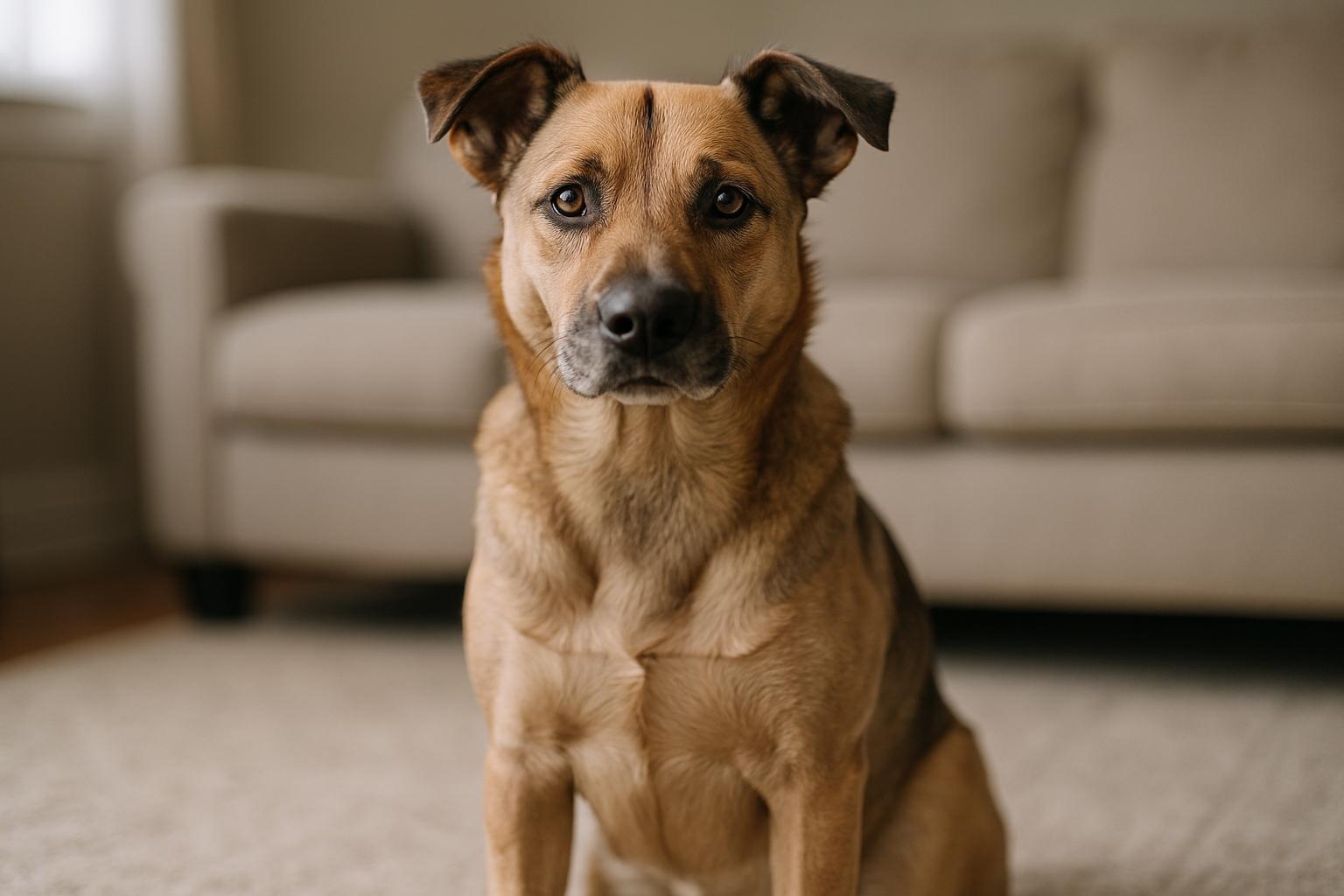
An adult mixed-breed dog sitting on a suburban porch under soft overcast light, close environmental portrait

An analysis led at Texas A&M of 50,000 companion dogs found that over 99% displayed at least one moderate-to-severe behavioral concern, with aggression, separation and attachment behaviors, and fear and anxiety the most frequently reported problems. Read On…
Purdue’s Dr. Deborah Knapp wins Kennel Club Lifetime Achievement award for canine cancer research

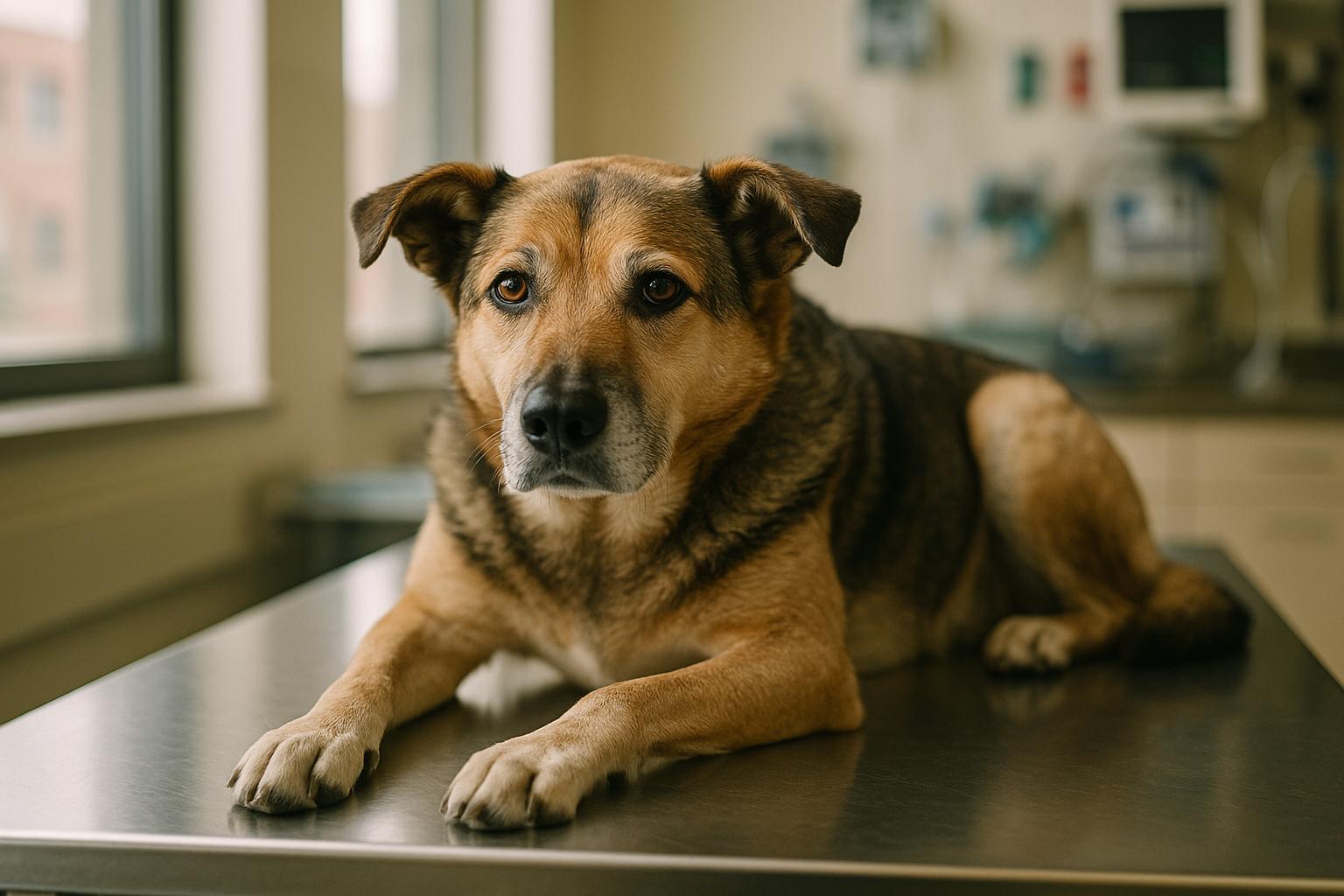
A medium-sized mixed-breed dog resting on an examination table in a veterinary oncology clinic, photographed in soft natural light.

Dr. Deborah Knapp, Distinguished Professor of Comparative Oncology at Purdue University, was honored with the 2022 International Canine Health Award Lifetime Achievement prize by The Kennel Club Charitable Trust in a virtual ceremony from London, receiving $12,000 to support continued canine cancer research. Read On…

University of Arizona, Davis‑Monthan AFB hold ‘handshake’ events with 12 military working dogs

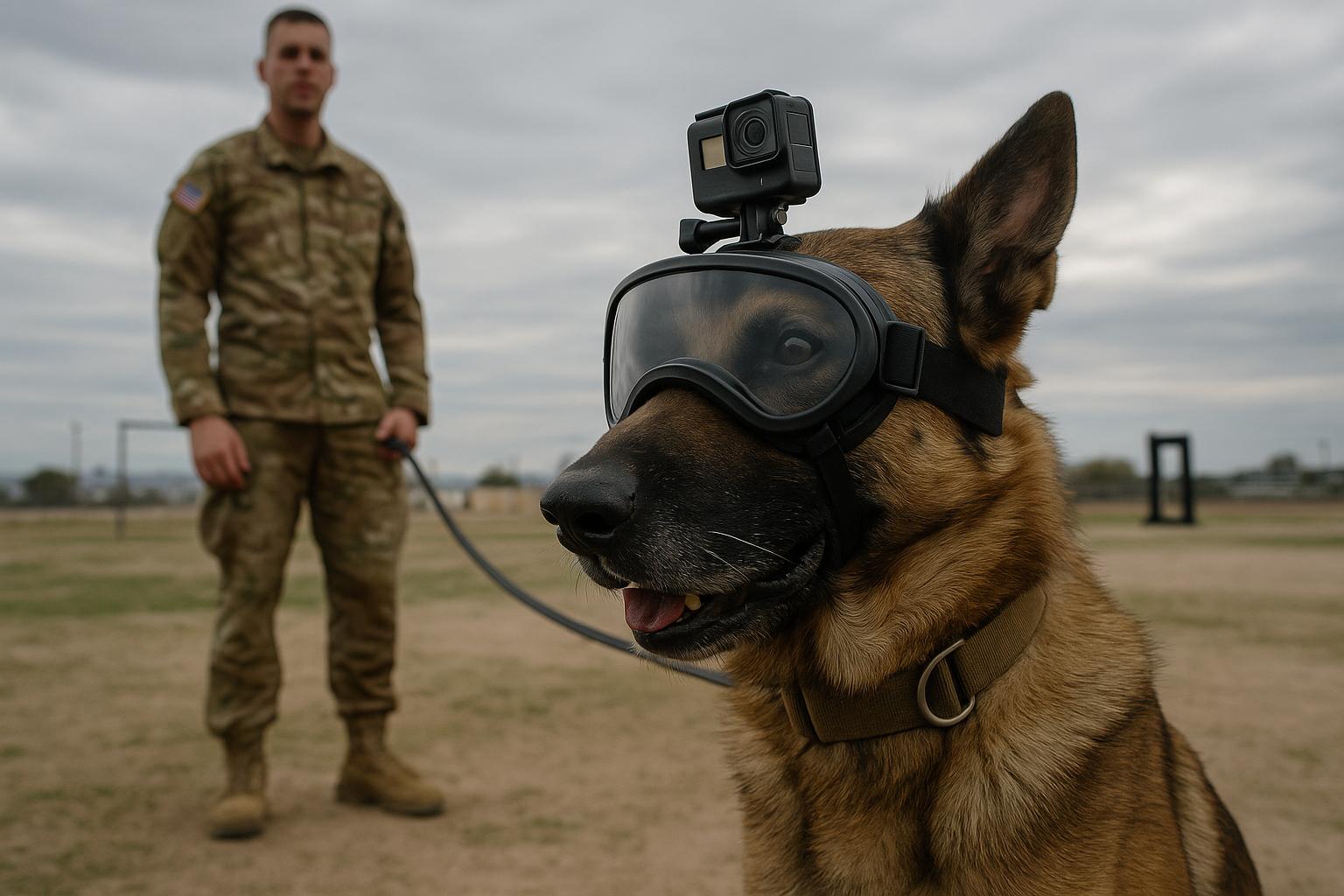
Military working dog wearing goggles with a miniature camera on a training field at Davis‑Monthan Air Force Base.

A February 2024 delegation brought 12 military working dogs to Tucson as the University of Arizona and Davis‑Monthan Air Force Base began informal "handshake" meetings to map future research and training partnerships focused on human and canine health. Read On…

Study of 26,523 Companion Dogs Maps Comorbidity Networks, Finds Older Dogs Have More Interconnected Conditions

Senior companion dog resting on a veterinary clinic examination table in natural window light

A Dog Aging Project Consortium analysis of 26,523 companion dogs found that health conditions become more interconnected with age, a pattern the authors say could inform care for aging pets and yield insights relevant to human medicine. Read On…

Cornell study maps how puppy antibodies neutralize canine parvovirus

Close-up portrait of a healthy young puppy on a veterinary examination table in soft natural light

A Cornell-led team published findings on Feb. 14, 2023, showing that puppies produce a surprisingly narrow antibody response that blocks canine parvovirus — a disease that began spreading in 1978 and killed hundreds of thousands of dogs. Read On…