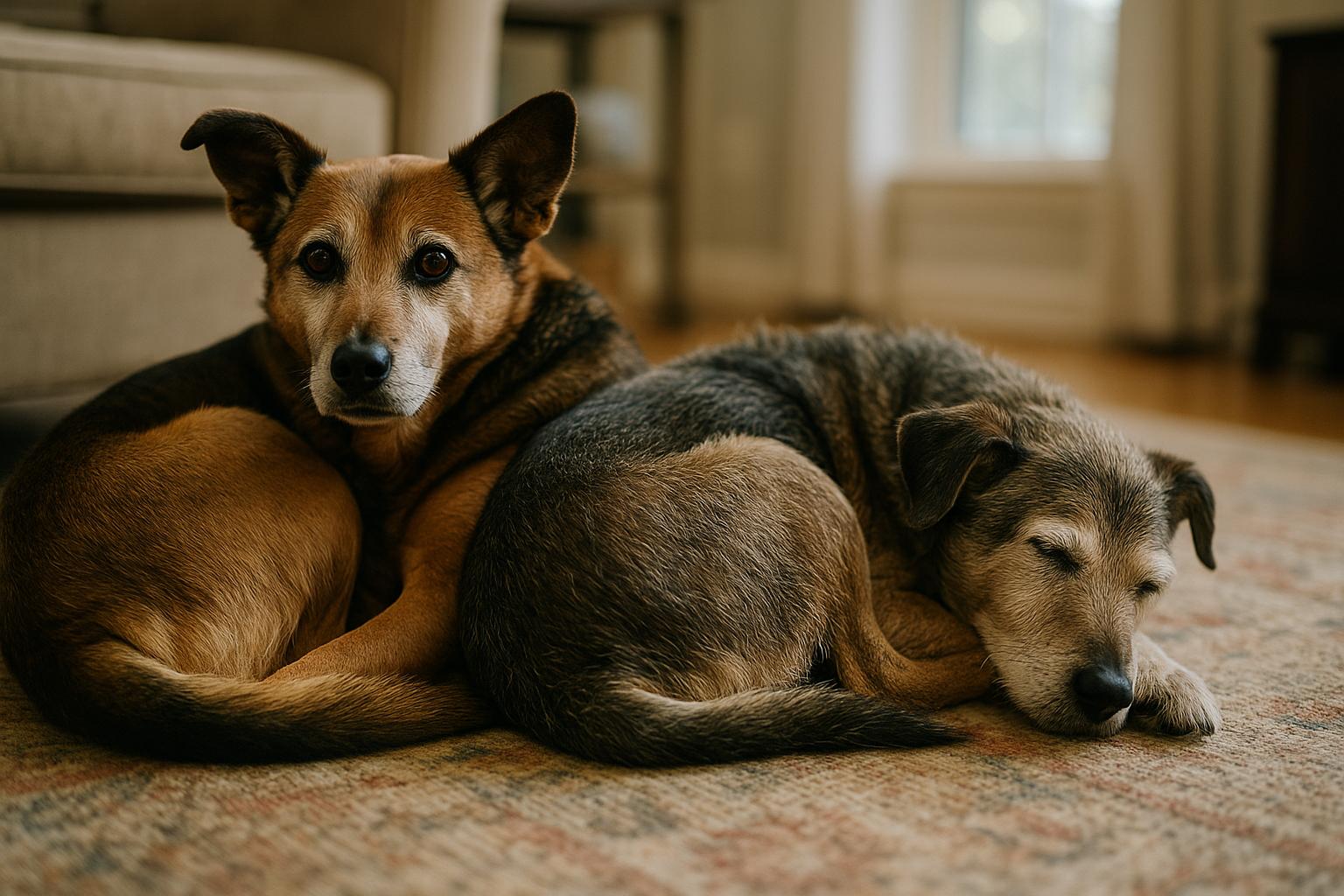
Behaviorists say dogs frequently mirror one another’s actions — from synchronized naps to learning new tricks — a pattern called allelomimetic behavior that can aid training but also amplify problematic responses. Read On…


Behaviorists say dogs frequently mirror one another’s actions — from synchronized naps to learning new tricks — a pattern called allelomimetic behavior that can aid training but also amplify problematic responses. Read On…

Behavior specialists describe how individual breeds often show affection differently: some seek contact and play, others offer calm presence or protective vigilance. Read On…

Emergency veterinarian Dr. Ezra Ameis and dog trainer Ali Smith explain that rain can be a sensory onslaught for dogs — louder sounds, muted smells and wet fur — and that avoiding rainy outings can worsen anxiety. Read On…
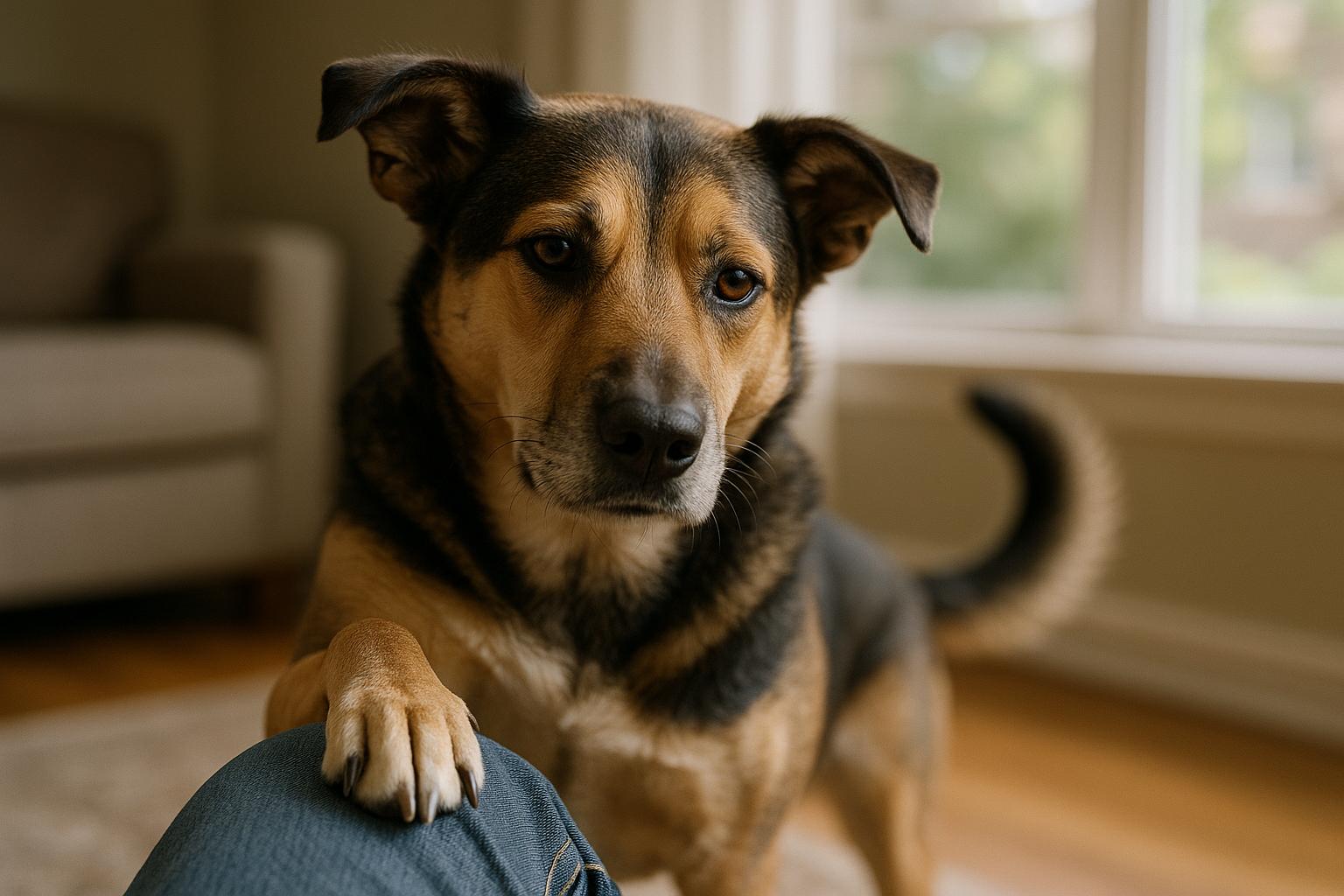
Veterinarians say pawing is a common social gesture dogs use to get attention, express feelings or indicate needs; California-based Jules Veterinary Center and Kinship offer guidance on interpreting the behavior. Read On…

Care.com’s puppy-raising guidance highlights the first 16 weeks as a sensitive learning period, advises against extended crating for young puppies, and stresses consistent, loving training to prevent later behavior problems. Read On…

NBC News published a comprehensive guide for new puppy parents that emphasizes preparing the home, close supervision and veterinarian-approved grooming, drawing on guidance from Andrea Arden and Dr. Judy Morgan. Read On…

Between 12 and 18 months many dogs shift from puppyhood into adolescence or adulthood — a period when growth plates, diet and training needs can still change markedly. Read On…

Puppies at 12–18 months often settle into adult temperaments even as some breeds continue to grow. Owners should balance ongoing training, tailored nutrition and routine veterinary care during this transition. Read On…
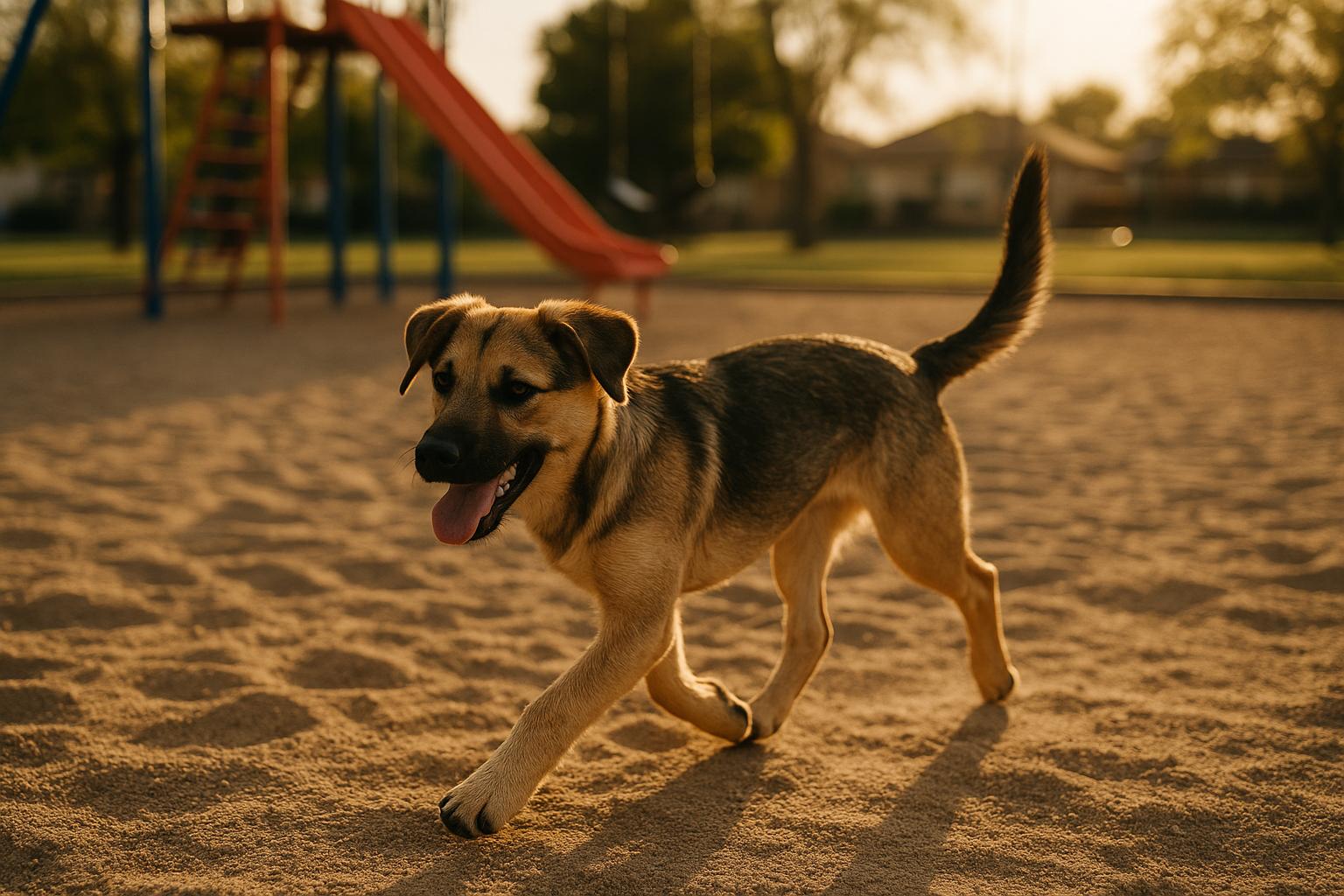
At seven months, puppies shift into a more independent stage of life, showing clearer body language, renewed energy and changing training needs. Owners can use age-specific guidance on growth, behavior and care to manage this transition. Read On…

A 10-week-old miniature dachshund is learning the world. This guide explains the essential steps — veterinary care, feeding, handling, training and socialization — to help owners set strong foundations. Read On…