
A Care.com guide updated Jan. 19, 2017, describes the stages of puppy development through 48 weeks and highlights socialization, training and routine care during those formative months. Read On…


A Care.com guide updated Jan. 19, 2017, describes the stages of puppy development through 48 weeks and highlights socialization, training and routine care during those formative months. Read On…
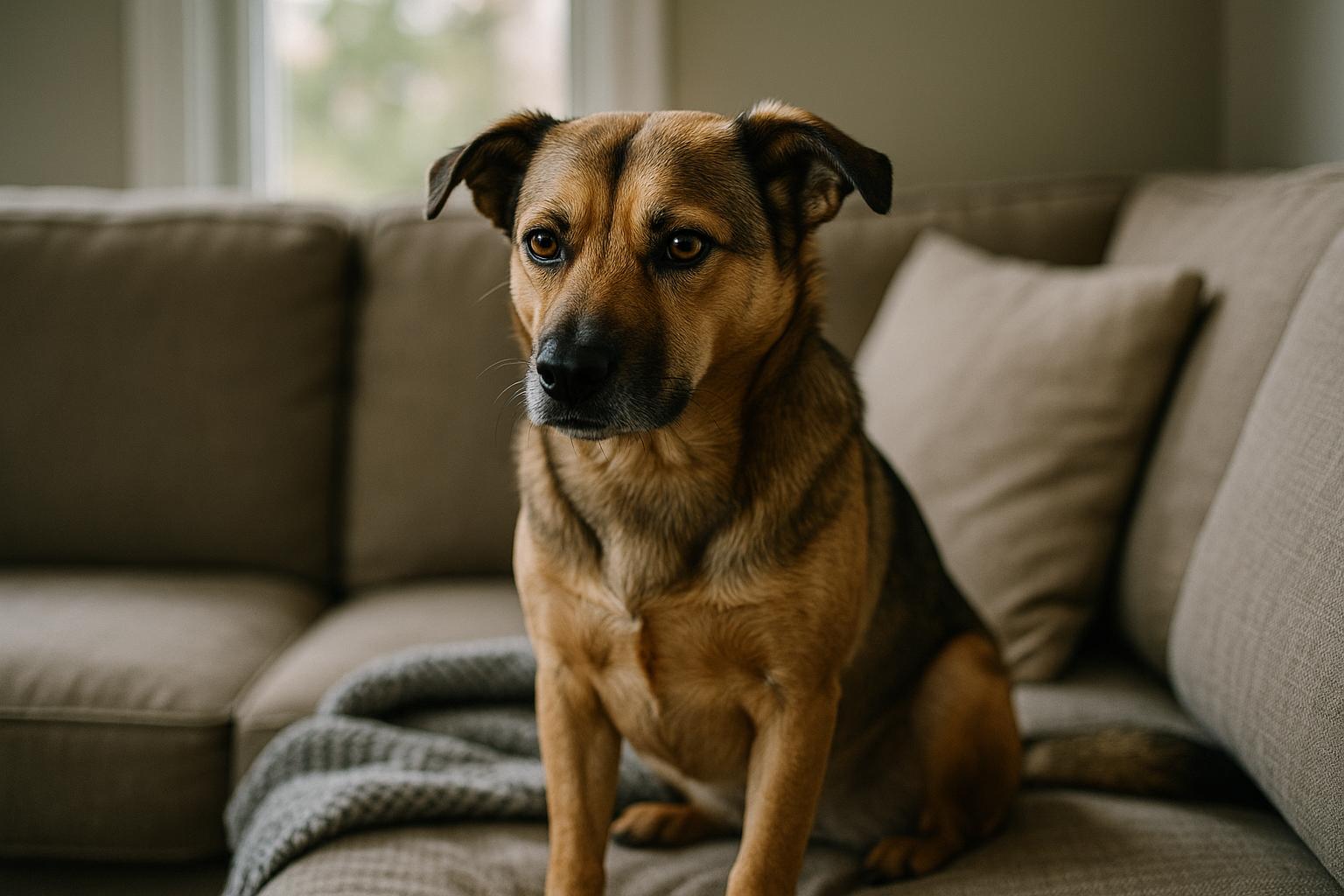
Behavior specialists describe couch-guarding as an anxiety-driven response in which dogs stiffen, stare or growl to protect a valued spot; they urge owners to avoid punishment and seek qualified trainers. Read On…
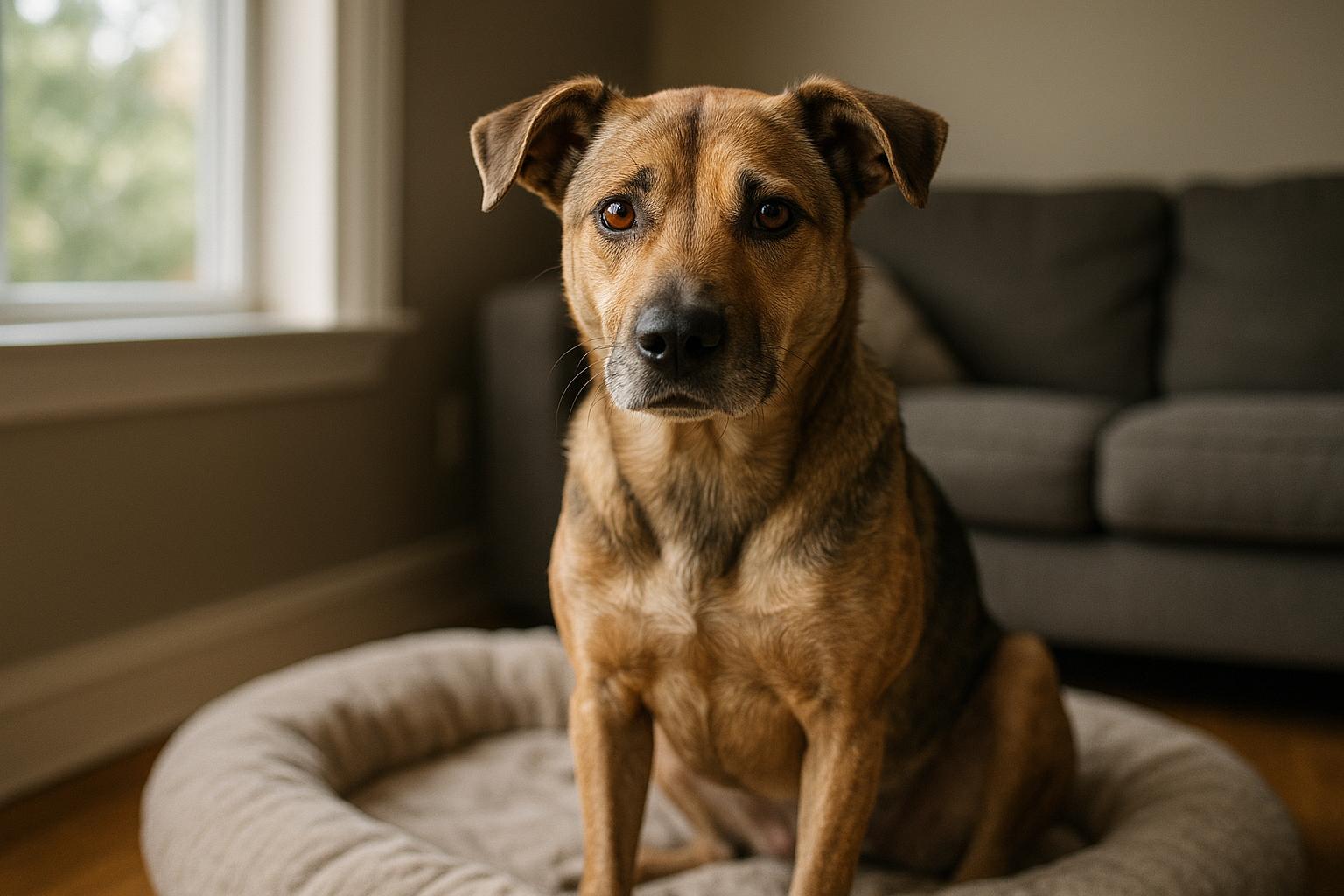
New pet parents should expect a period of adjustment when bringing home a shelter dog: certified behavior consultants advise watching body language, allowing time to decompress and starting training right away. Read On…
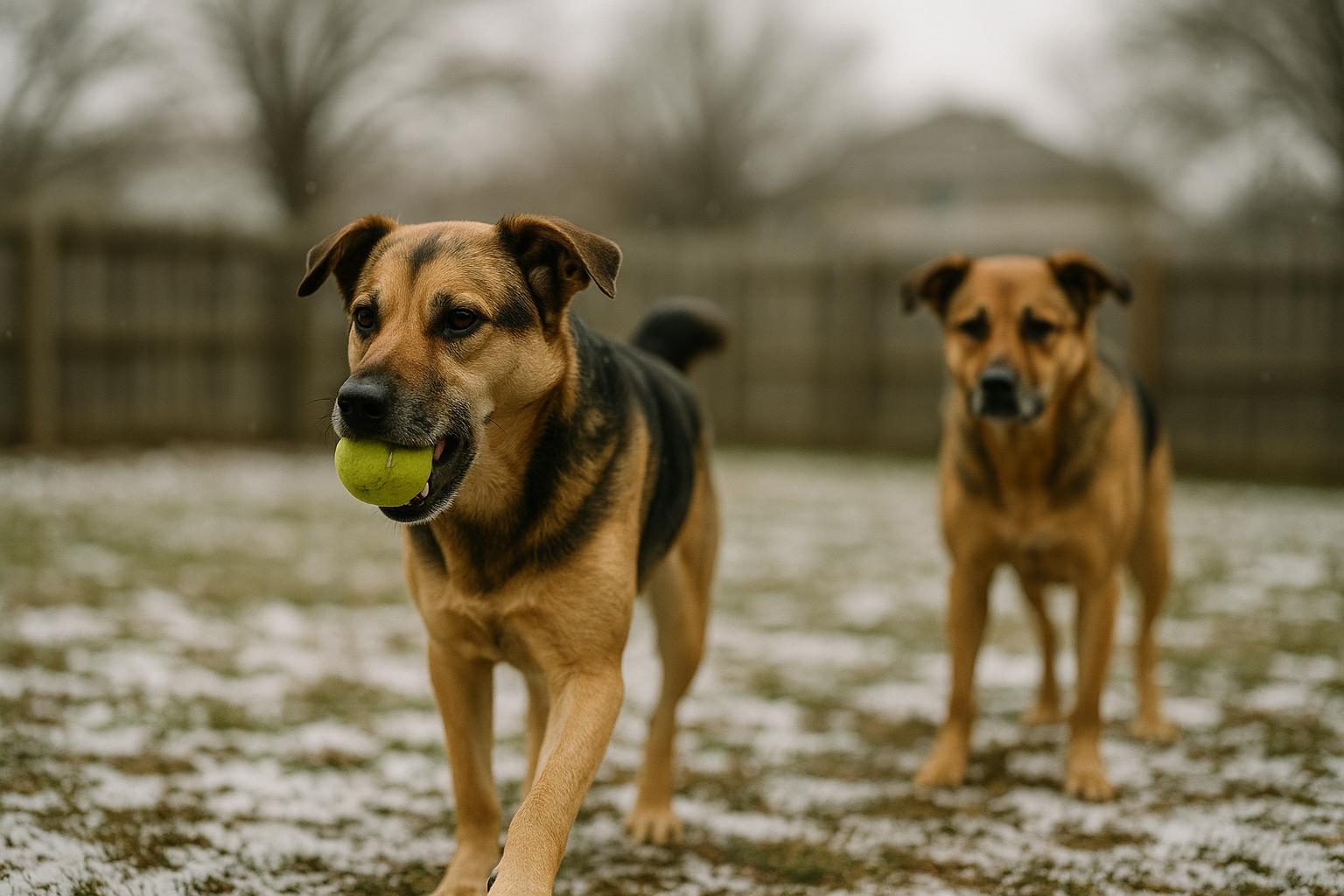
A dispute over a tennis ball between two dogs left blood on the snow and highlighted toy-aggression, a form of resource guarding trainers say can escalate if not treated with consistent, positive methods. Read On…
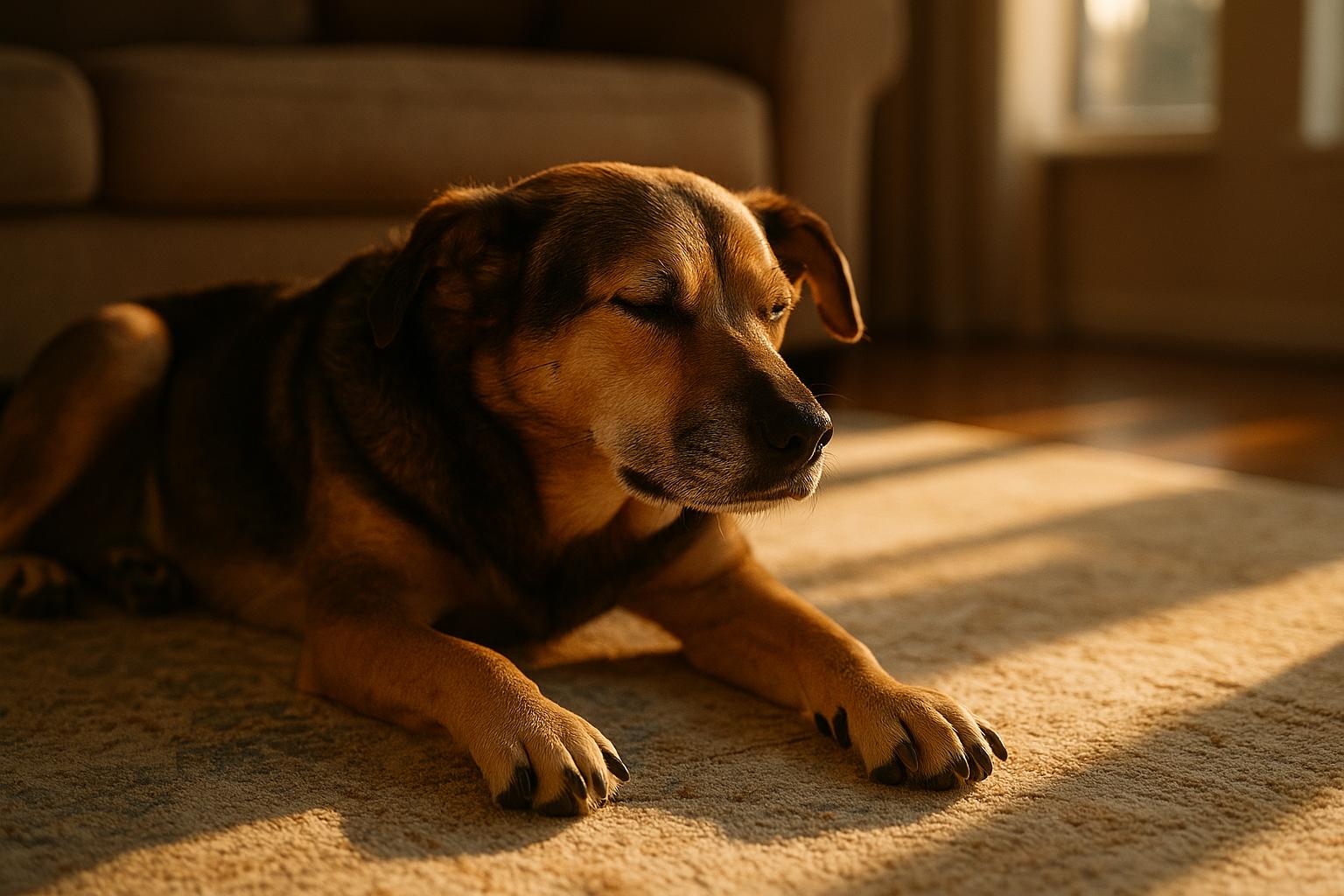
A Kinship piece draws on veterinary and training expertise to outline routine human actions that can stress or confuse dogs, and suggests more mindful ways to interact with them. Read On…
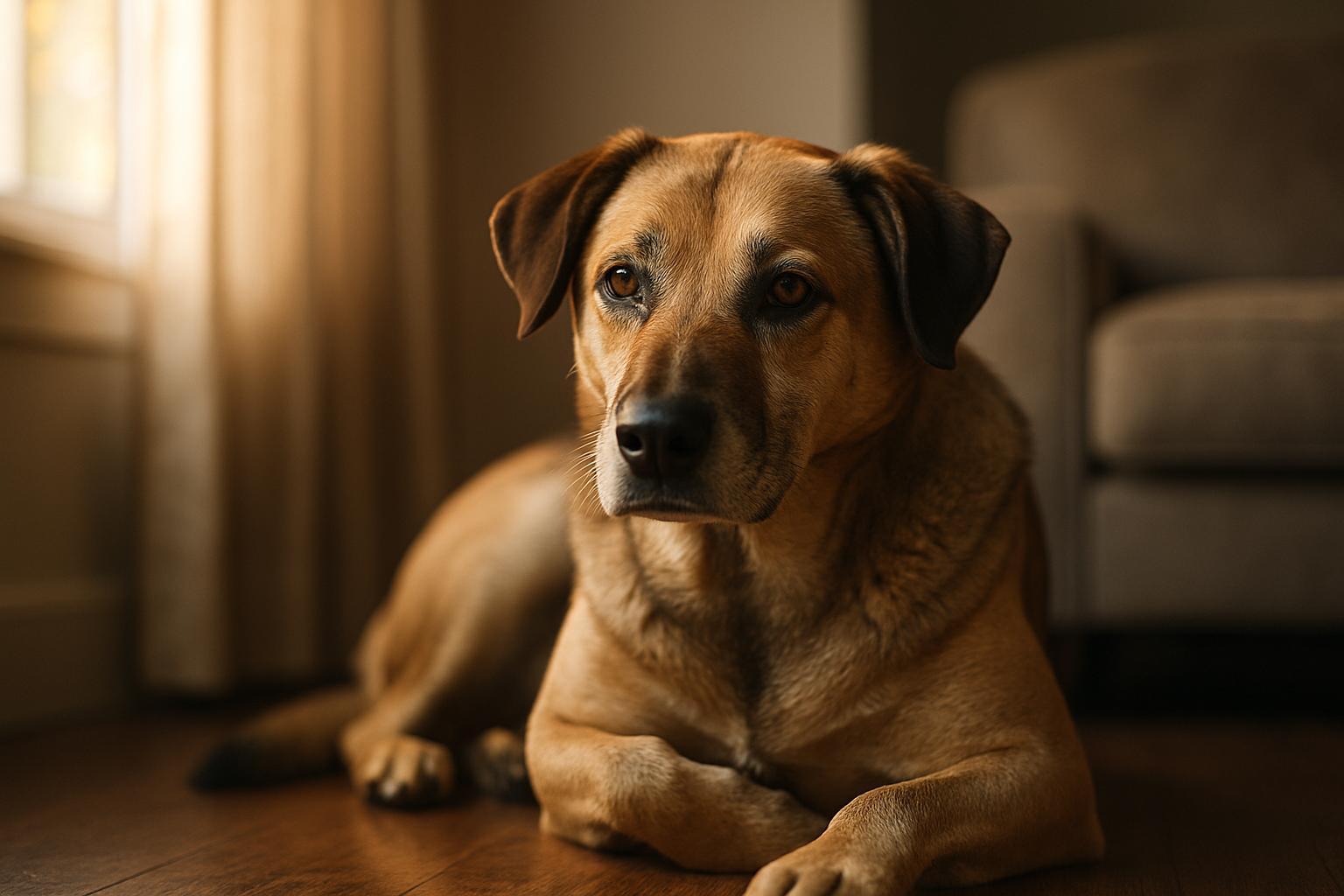
Kinship’s guide outlines behaviors owners may see in ‘introvert’ dogs — from hanging back during greetings to seeking a safe space — and experts including Robert Haussmann and Becky Mathia explain how temperament and early socialization shape those responses. Read On…

When a dog freezes on a walk it may be signaling fear, discomfort or a learned response, experts say. Trainers and vets urge owners to look for physical and environmental clues rather than blame. Read On…
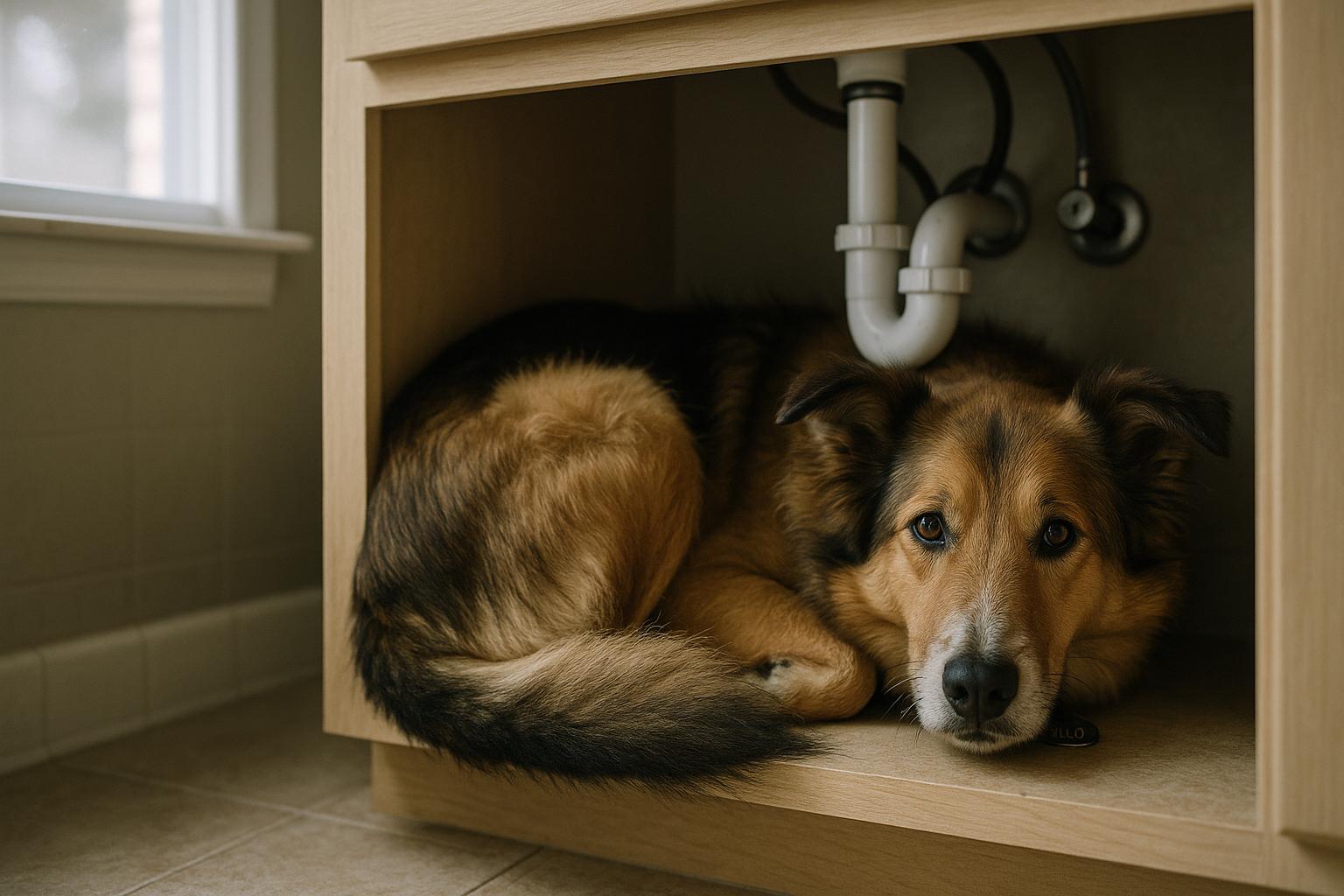
When thunderstorms roll in, some dogs retreat into the smallest spaces they can find. Liz Gibbs, a dog trainer at Woofie's of Delray Beach, explains how tight spaces can calm a stressed animal and when to seek professional help. Read On…
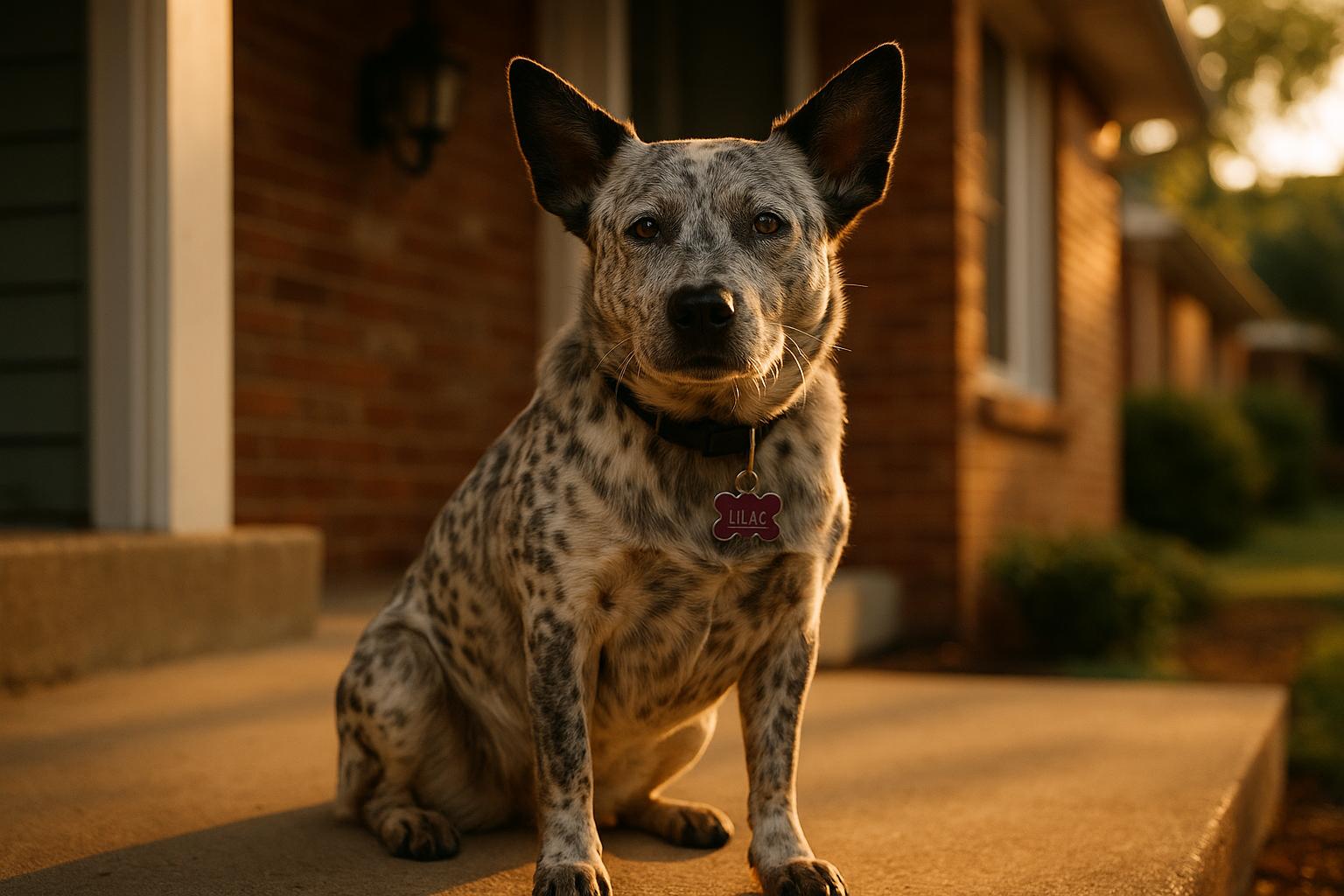
Veterinarians and trainers say barking at apparent nothing often reflects a dog’s superior senses or a behavioral response; experts recommend enrichment, routine exercise and background noise to reduce unnecessary alerts. Read On…
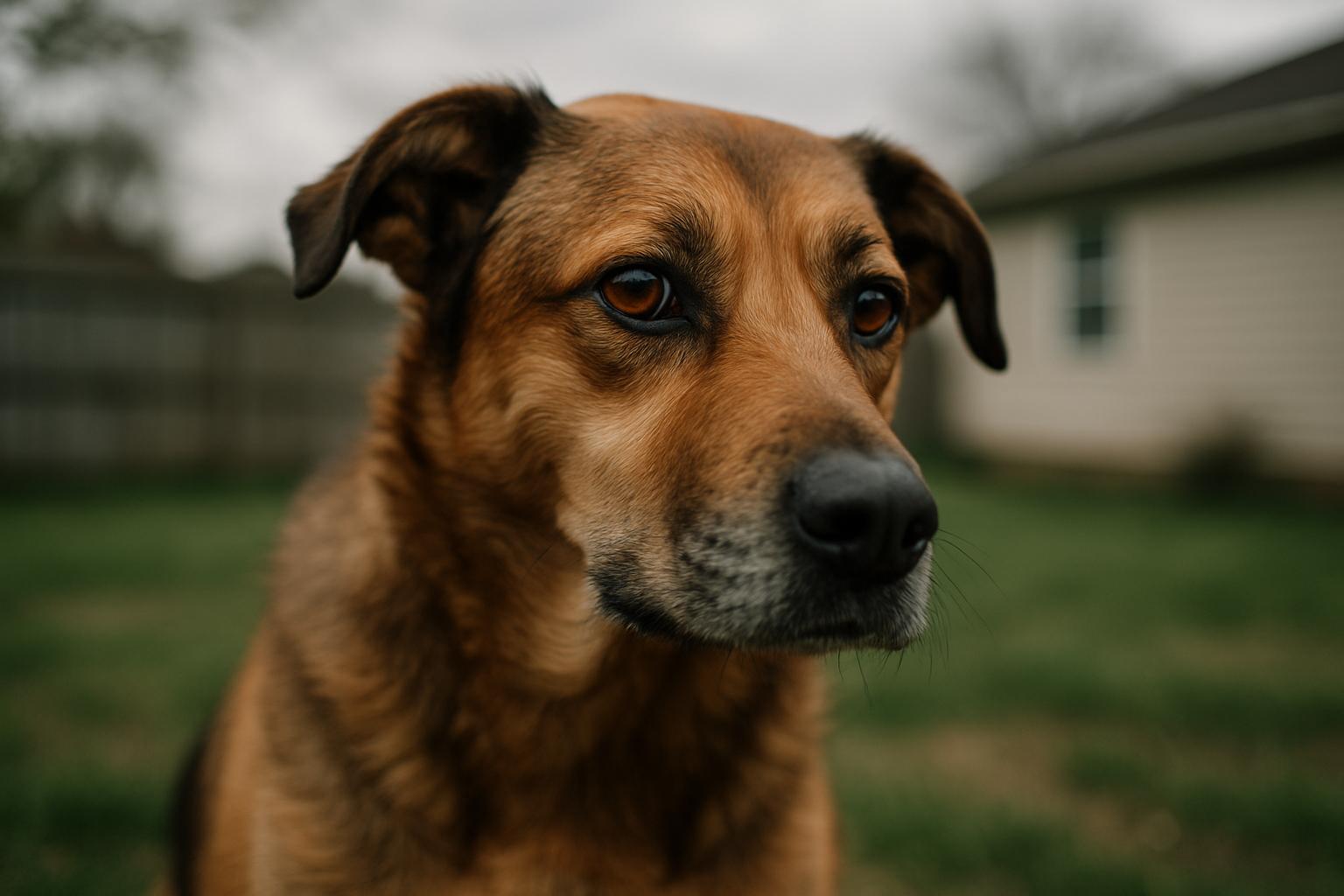
Behaviour consultants Laurie Lawless and Emily Scott say dogs often avoid direct eye contact not out of guilt but to signal they don’t want conflict, using subtle gestures that owners should learn to read. Read On…