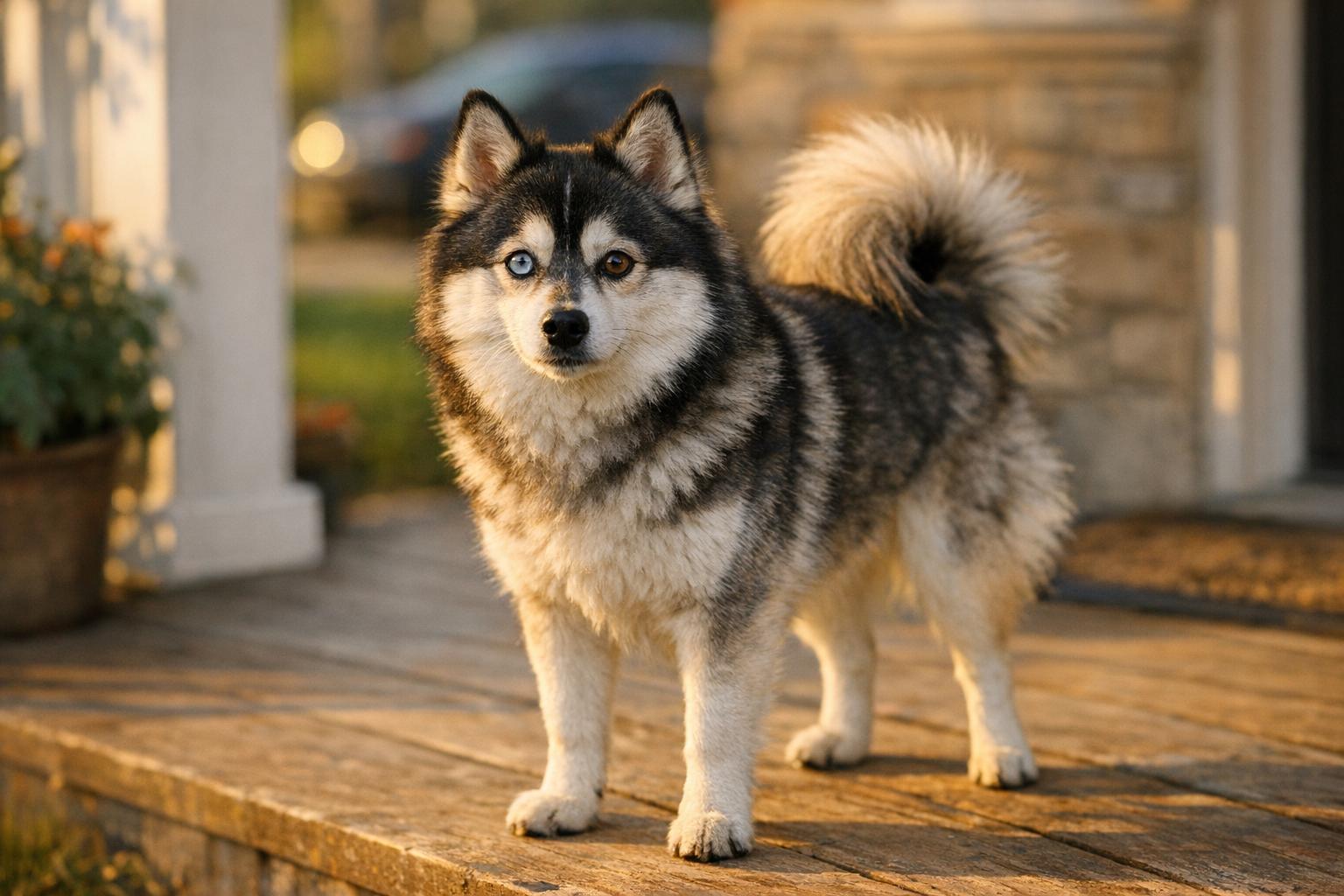
Bred to resemble a smaller Siberian Husky, the Pomsky — a Pomeranian–Husky cross that emerged in 2012 — pairs a double coat and striking eye colors with a lively temperament and strong need for companionship. Read On…


Bred to resemble a smaller Siberian Husky, the Pomsky — a Pomeranian–Husky cross that emerged in 2012 — pairs a double coat and striking eye colors with a lively temperament and strong need for companionship. Read On…
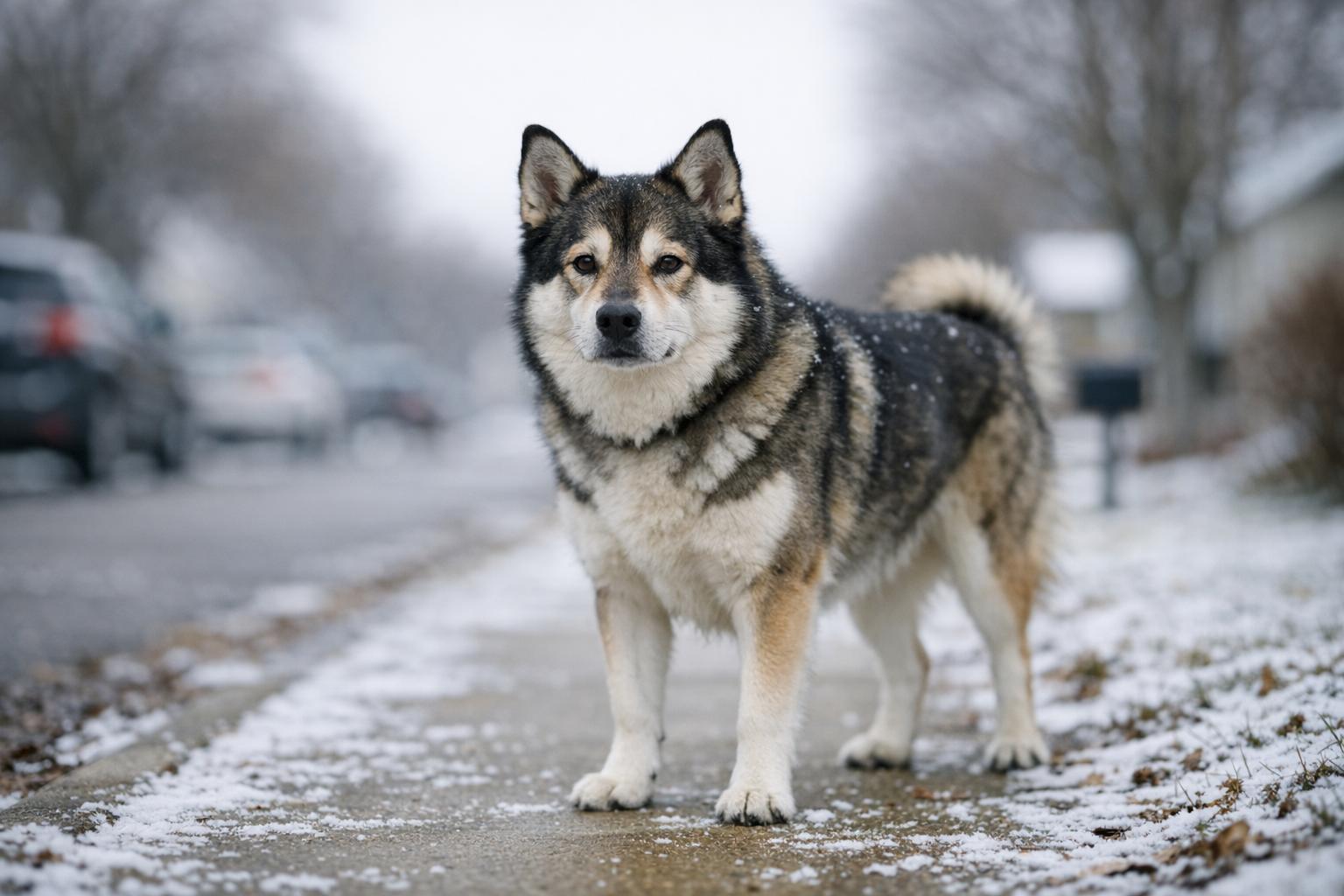
As snow moves into the forecast for New Jersey, PetMD expert Dr. Jennifer Coates and the ASPCA advise owners that cold-weather tolerance varies by breed and coat type. Read On…

A cross between Old English Sheepdogs and Poodles, the Sheepadoodle is prized for its affectionate nature, intelligence and often low-shedding coat, but owners should be prepared for training and mental stimulation. Read On…
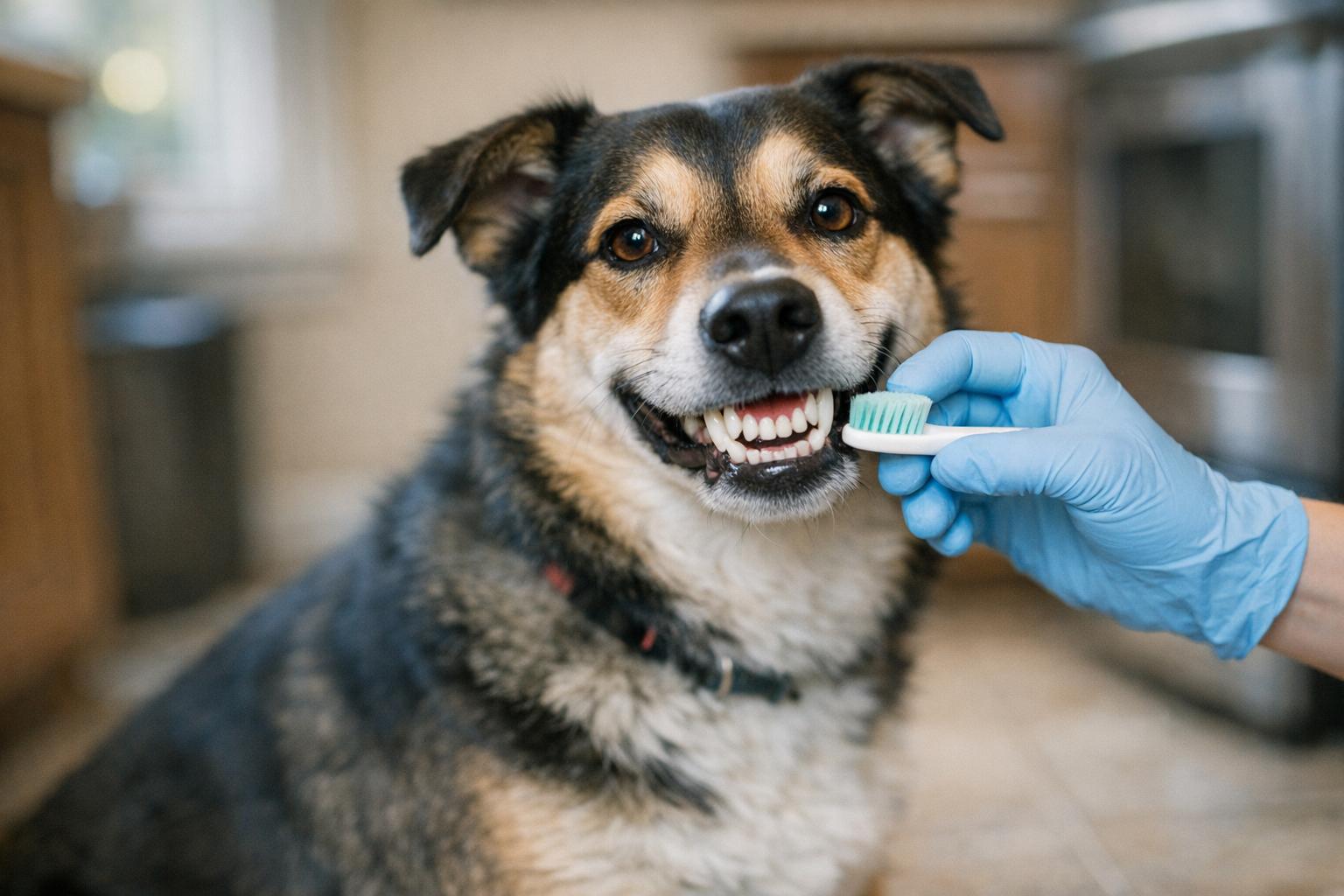
Experts and product reviewers say toothbrushing is the 'gold standard' for at-home dog dental care, supplemented by VOHC-approved chews, diets and routine professional cleanings. Read On…
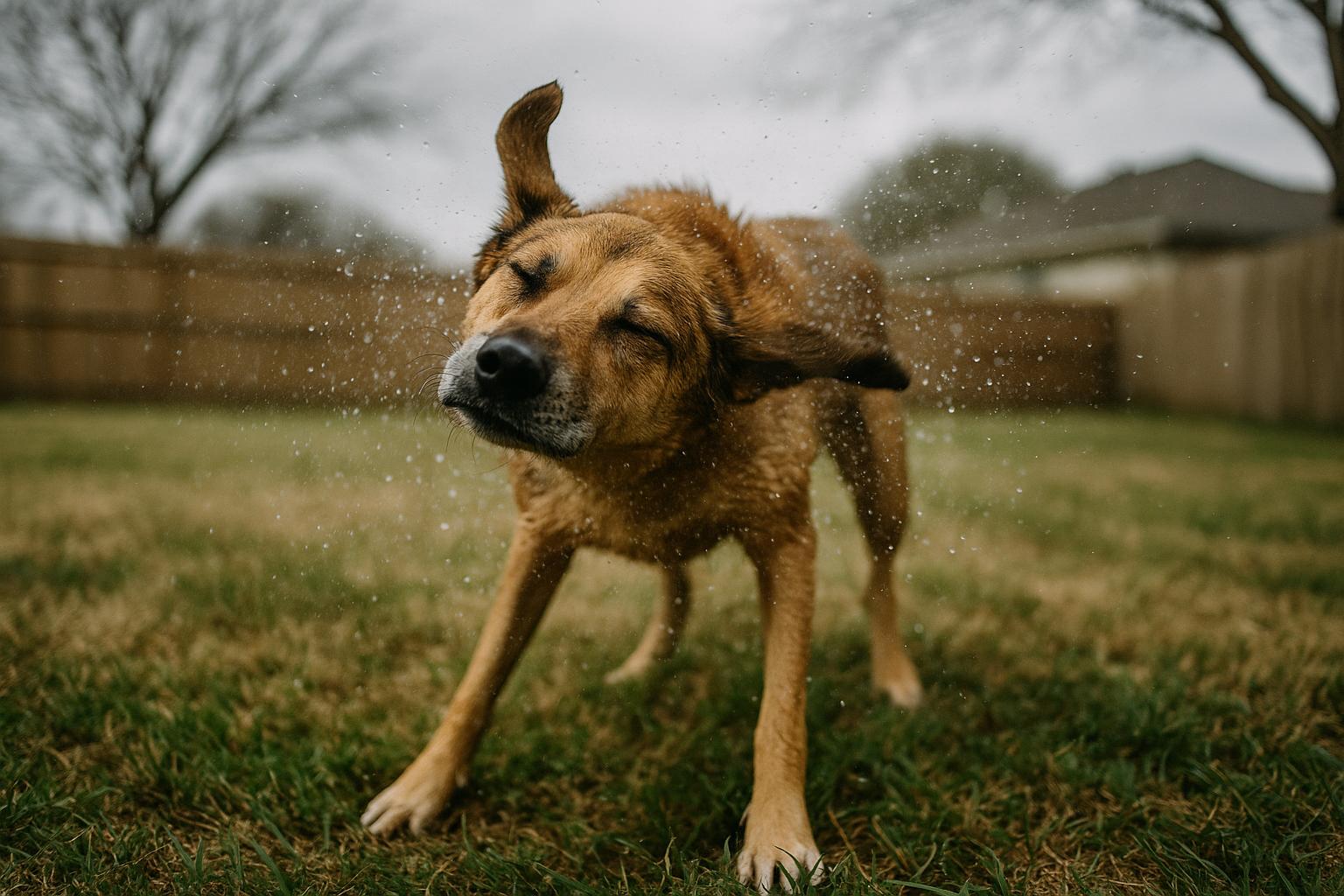
Shaking can signal excitement, fear, cold or pain. Behavior consultant Nicole Kohanski and veterinarian Daniel Dixon describe how to read the motion and when to seek veterinary help. Read On…

A cross between the Golden Retriever and the Poodle, the Goldendoodle became widely popular in the United States during the 1990s for its low-shedding coat and family-friendly temperament. Care needs include professional grooming every four to eight weeks, feeding schedules tailored by age, and a typical lifespan of 10–15 years. Read On…
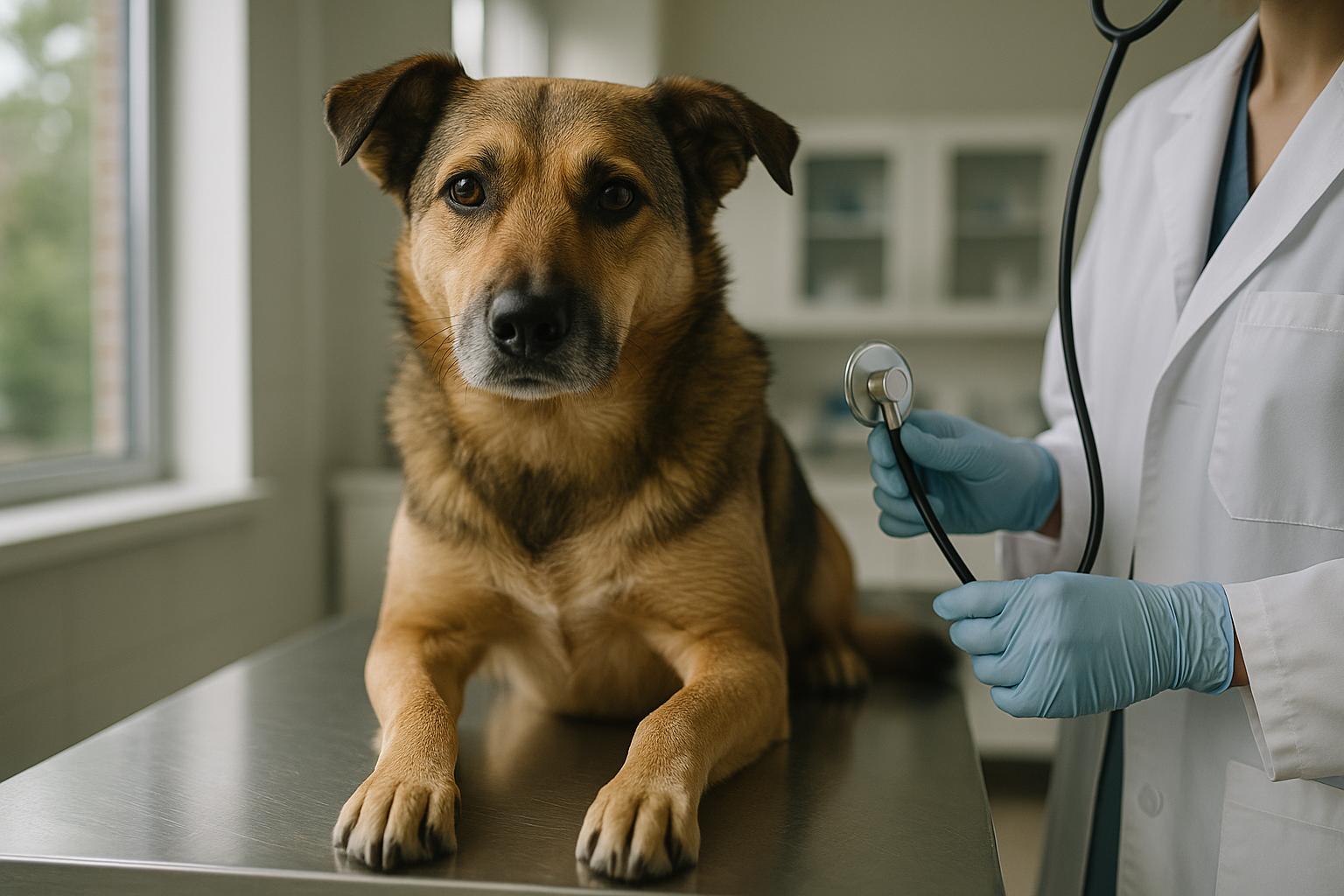
Veterinarians recommend routine, life-stage veterinary care for dogs to catch illness early and manage chronic conditions; Dr. Nicole Savageau of The Vets outlines what owners should expect during exams and the role of senior blood panels. Read On…
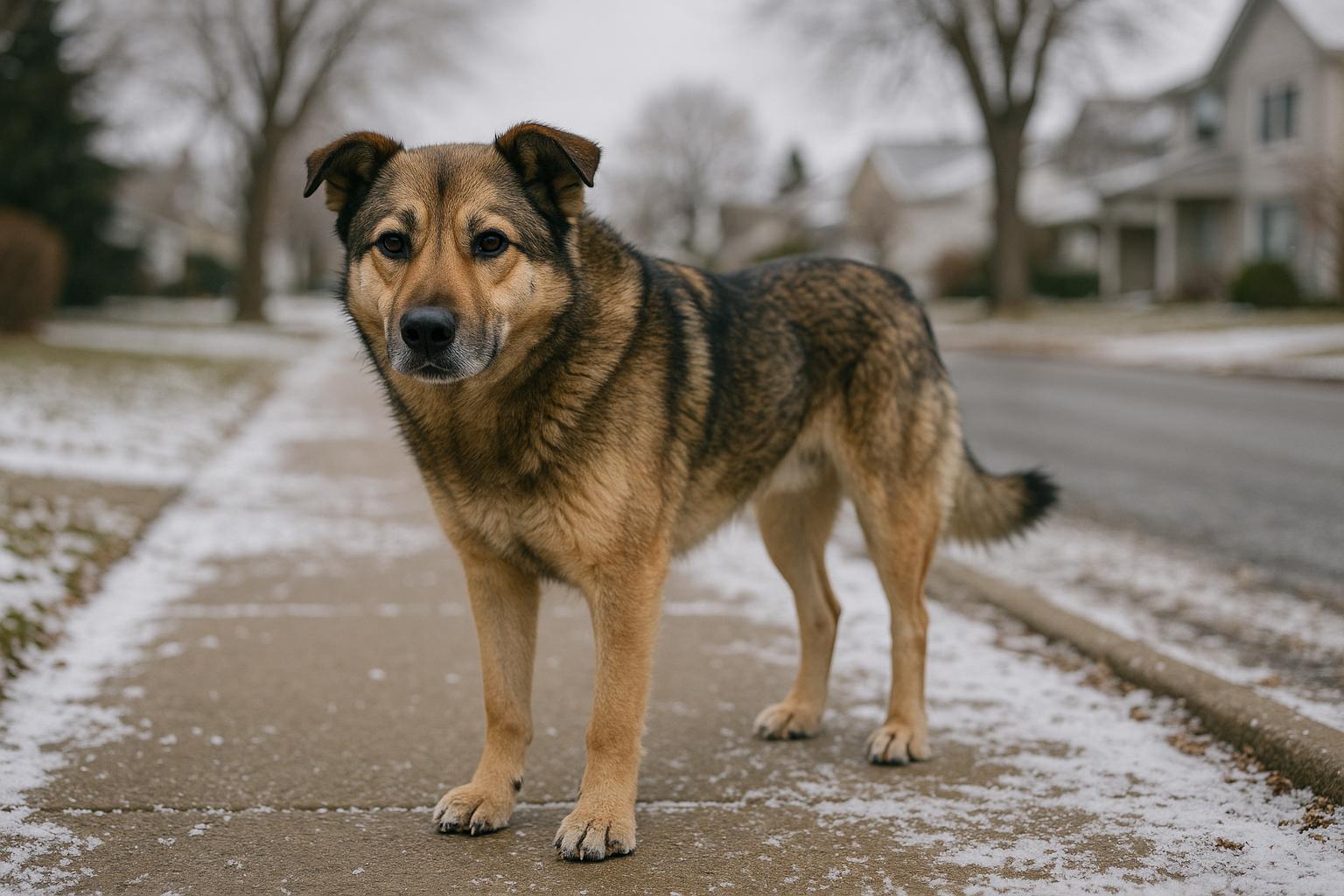
PetMD’s guidance stresses that a dog’s response to winter depends less on a single temperature and more on factors such as coat type, body size, age and the condition of their paws. Read On…

Between 12 and 18 months many dogs shift from puppyhood into adolescence or adulthood — a period when growth plates, diet and training needs can still change markedly. Read On…

A vet-verified PetMD guide recommends owners consult veterinarians when choosing diets for dogs with suspected allergies, noting itchy skin and digestive issues are common symptoms and that environmental causes often outnumber true food allergies. Read On…