
Recognizing canine sadness means watching for shifts in activity, interest and social behaviour, then responding with veterinary care, predictable routines and changes to the home environment. Read On…


Recognizing canine sadness means watching for shifts in activity, interest and social behaviour, then responding with veterinary care, predictable routines and changes to the home environment. Read On…
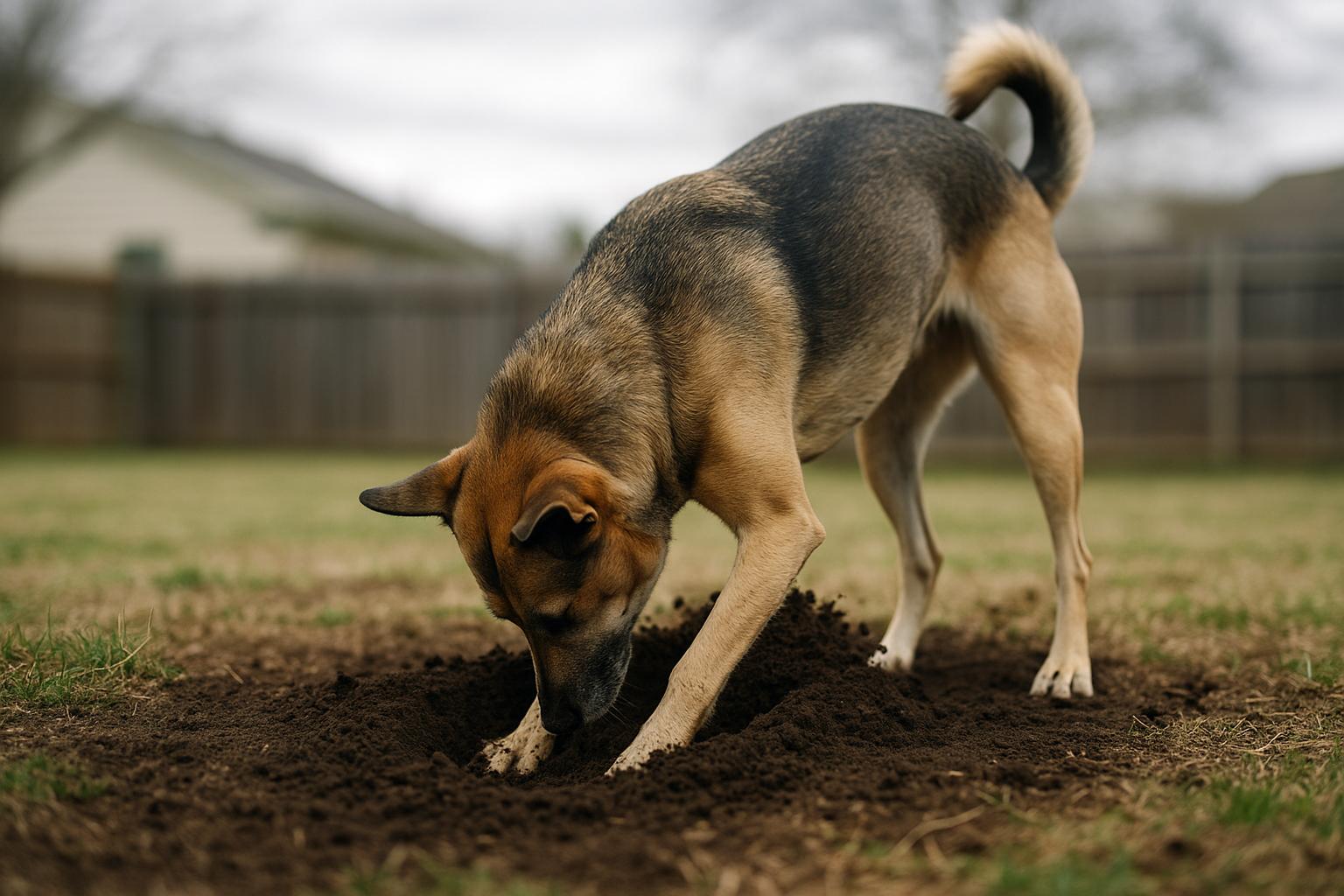
Humane World for Animals outlines why dogs dig and offers practical, humane strategies—from designated digging areas to exercise and environmental management—to help owners curb destructive digging. Read On…
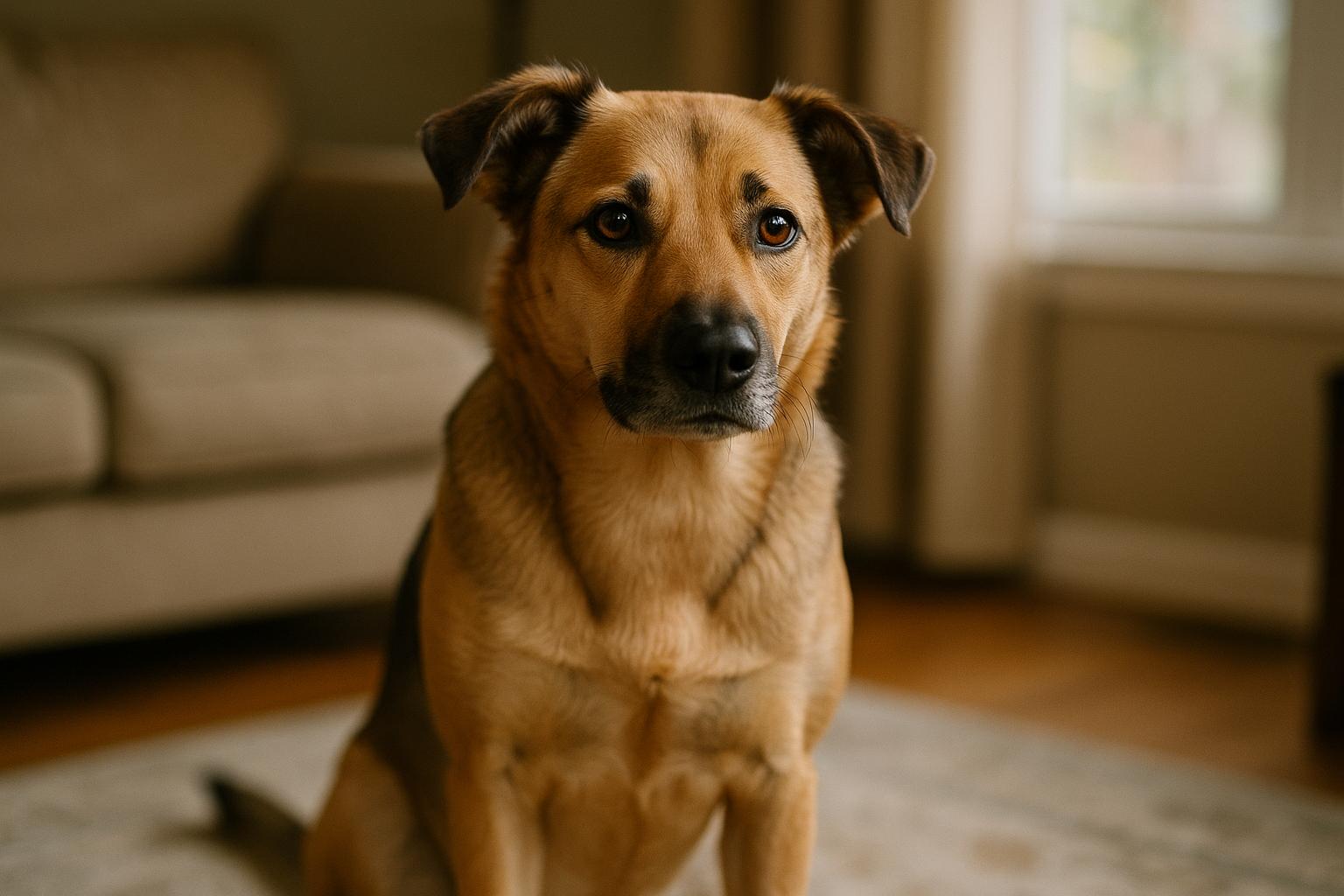
A study published in the journal Anthrozoös by Arizona State University researchers suggests many dog owners misinterpret canine emotions by focusing on context—treats or scolding—rather than the animal's body language. Read On…
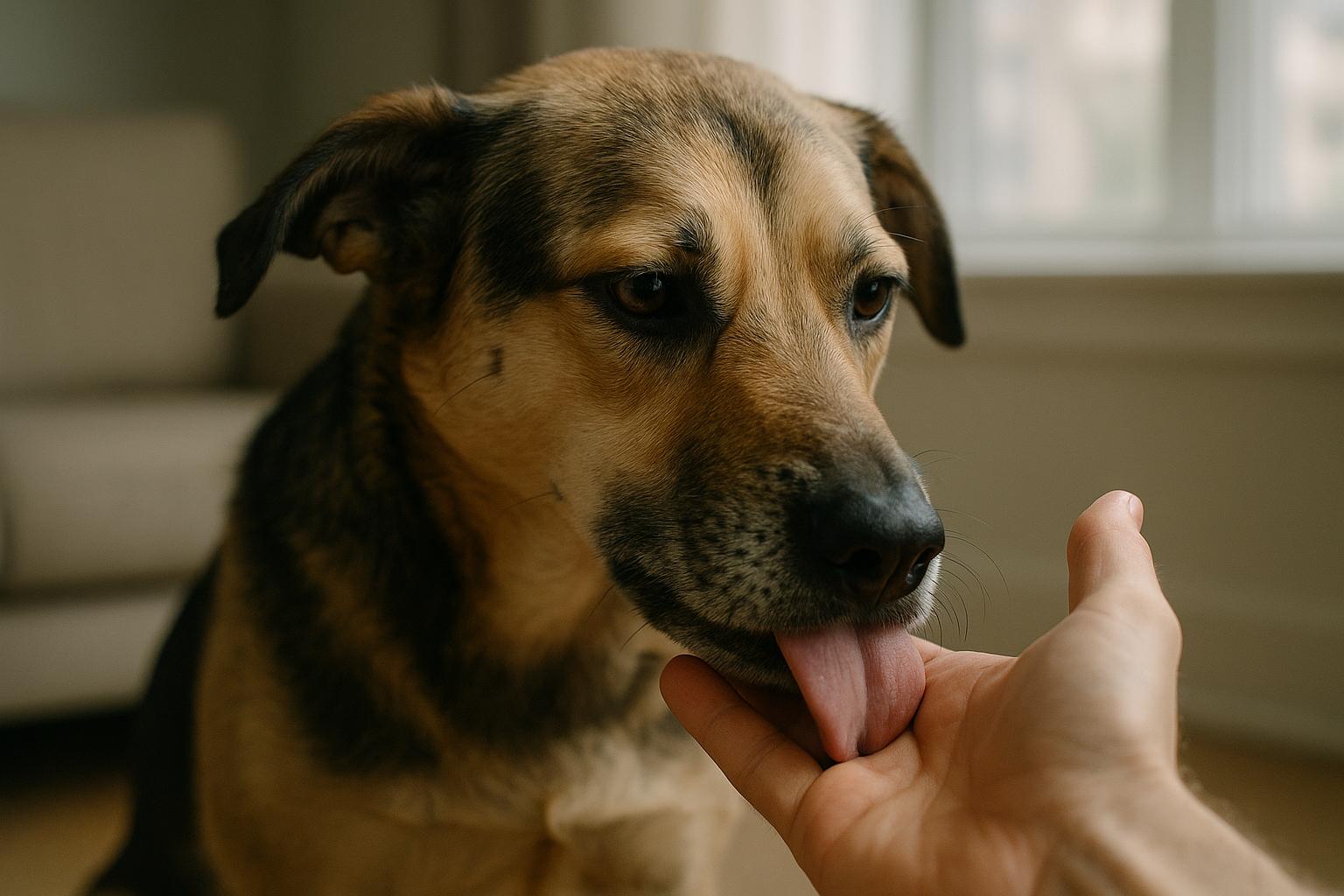
Veterinary specialist Mariana Pardo tells Daily Paws that dogs lick their humans to show affection, get attention or signal needs like play or food. The behaviour can be reinforced by human response and simple sensory attractions such as salty skin or sweaty feet. Read On…
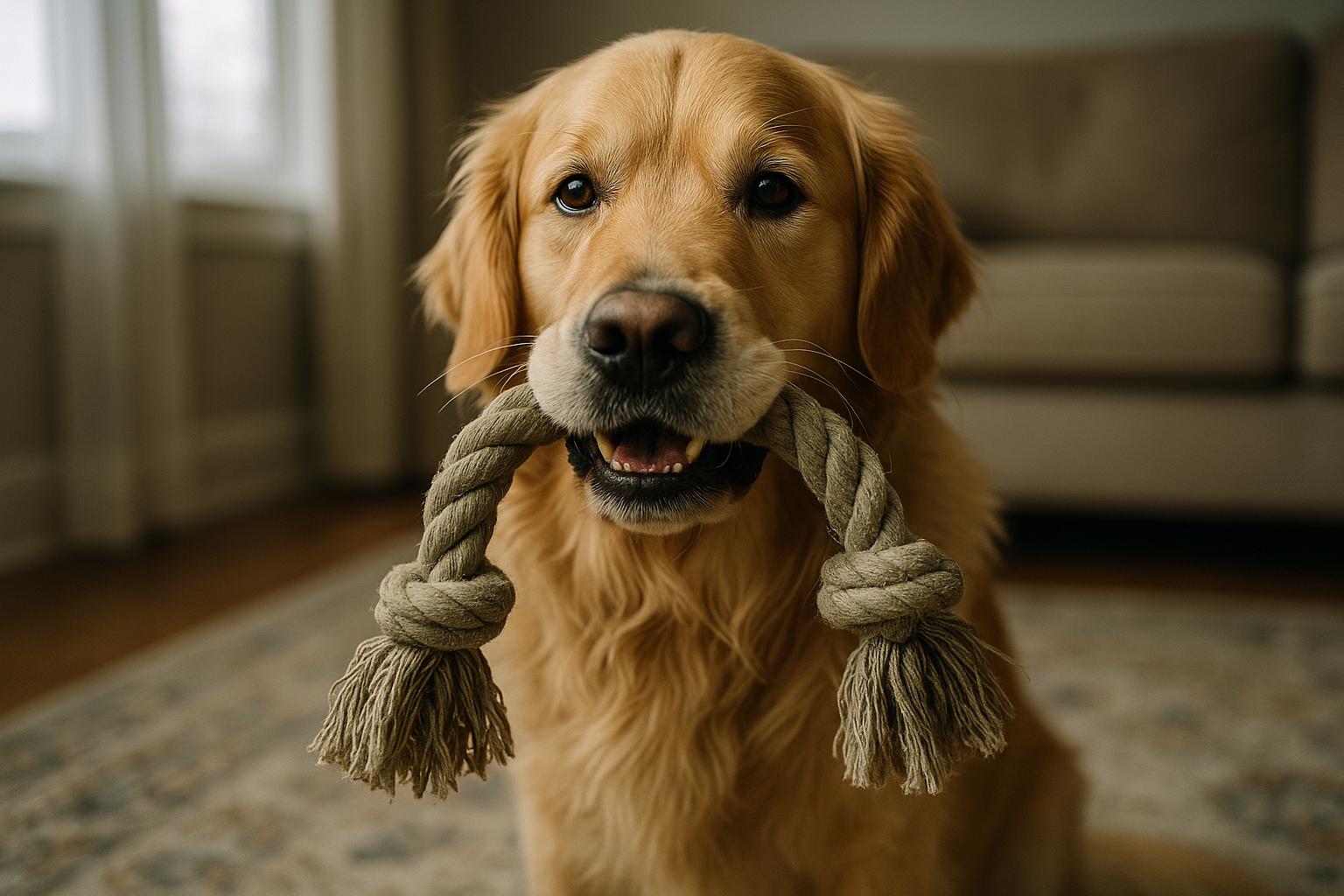
Clinical animal behaviorist Lauren Hewitt says dogs that present toys or household items to visitors are typically seeking interaction and approval, a behavior common in retriever-type dogs and often reinforced by praise. Read On…
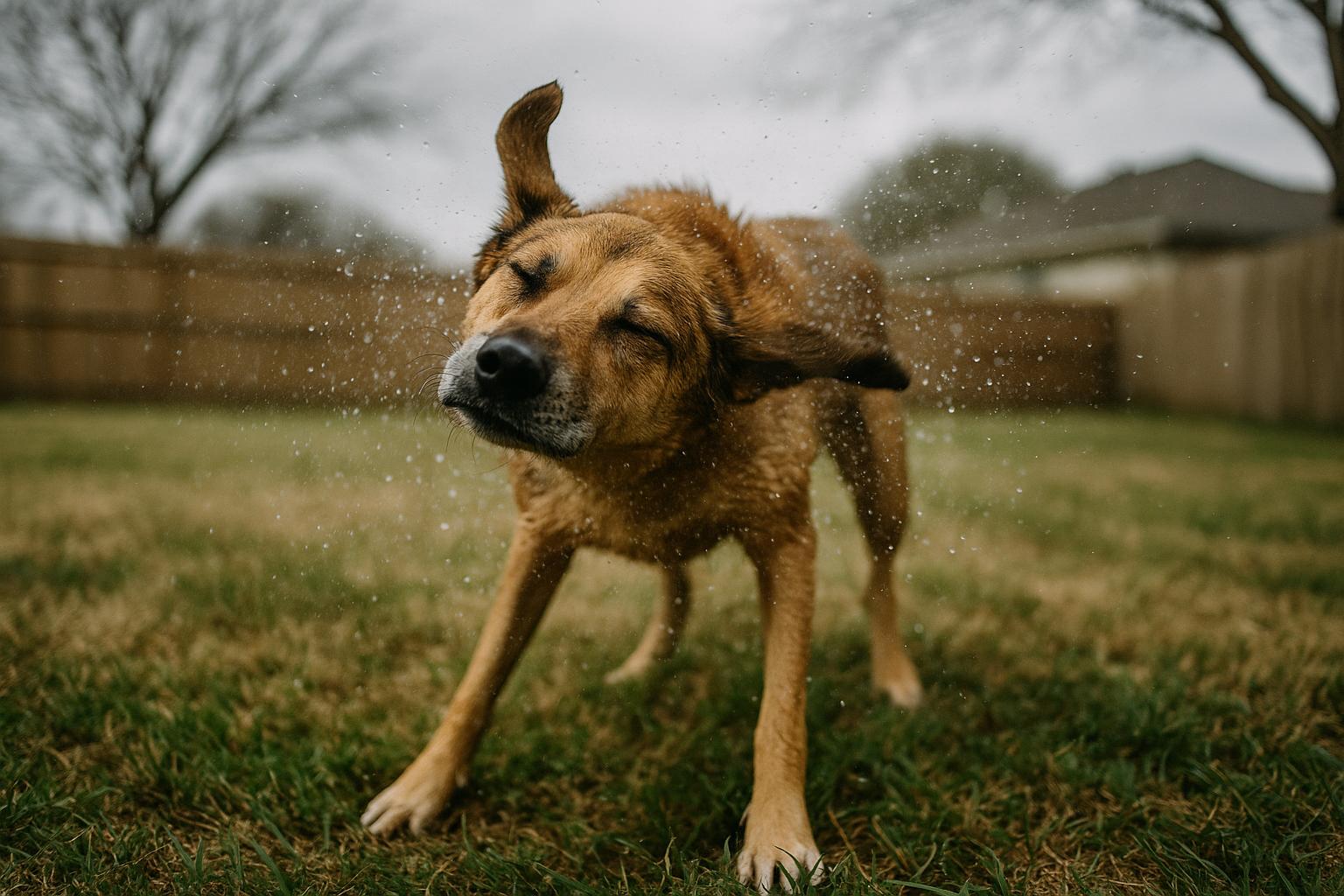
Shaking can signal excitement, fear, cold or pain. Behavior consultant Nicole Kohanski and veterinarian Daniel Dixon describe how to read the motion and when to seek veterinary help. Read On…
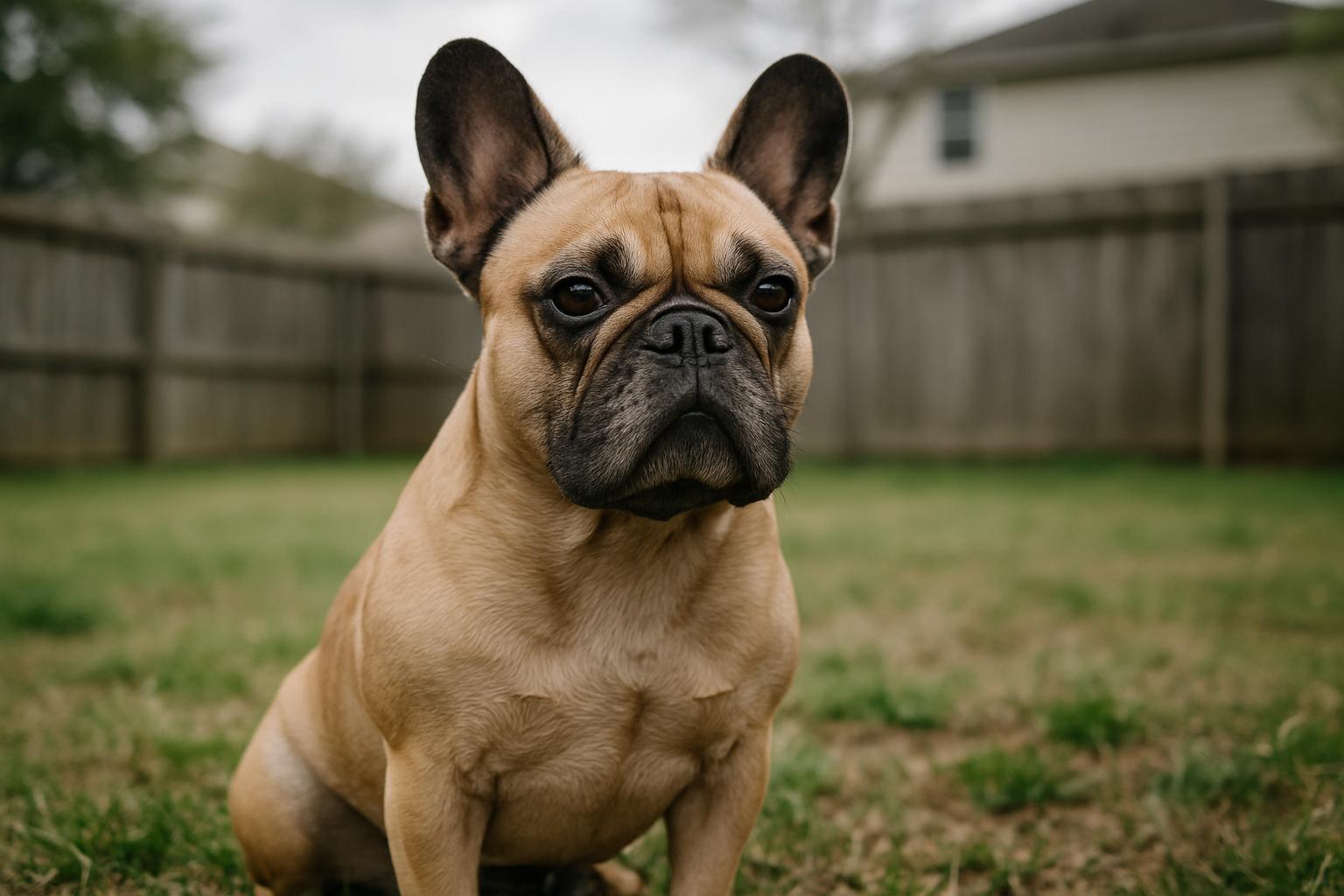
A large study from Eötvös Loránd University finds short‑nosed breeds such as French Bulldogs and Pugs are calmer and bolder than their long‑nosed peers, highlighting morphological trade‑offs that shape behavior. Read On…

Studies and expert commentary indicate dogs enter REM sleep and likely replay species-typical activities in their dreams, a pattern researchers say resembles human dreaming. Read On…

A team at Eötvös Loránd University analysed questionnaire data from Germany on 5,000 dogs and concluded that short-nosed breeds display behavioural traits tied to head shape, but factors like small size and owner training play a larger role in trainability. Read On…
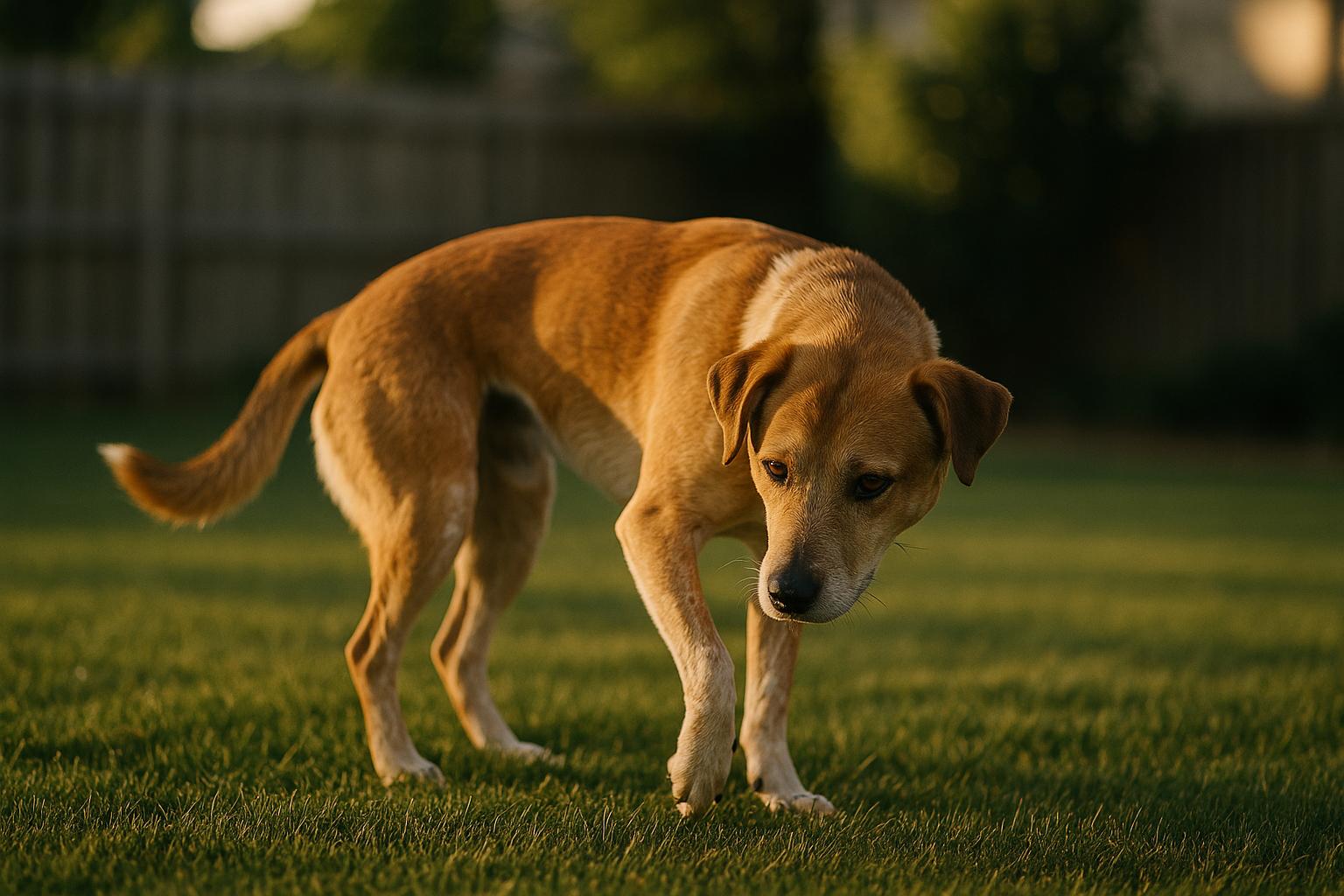
Dr Udaya Kumar Shetty, Chief Veterinary Officer in Udupi, says circling before defecation is a common canine behaviour linked to scent marking, preparing the ground and ancestral habits. Read On…