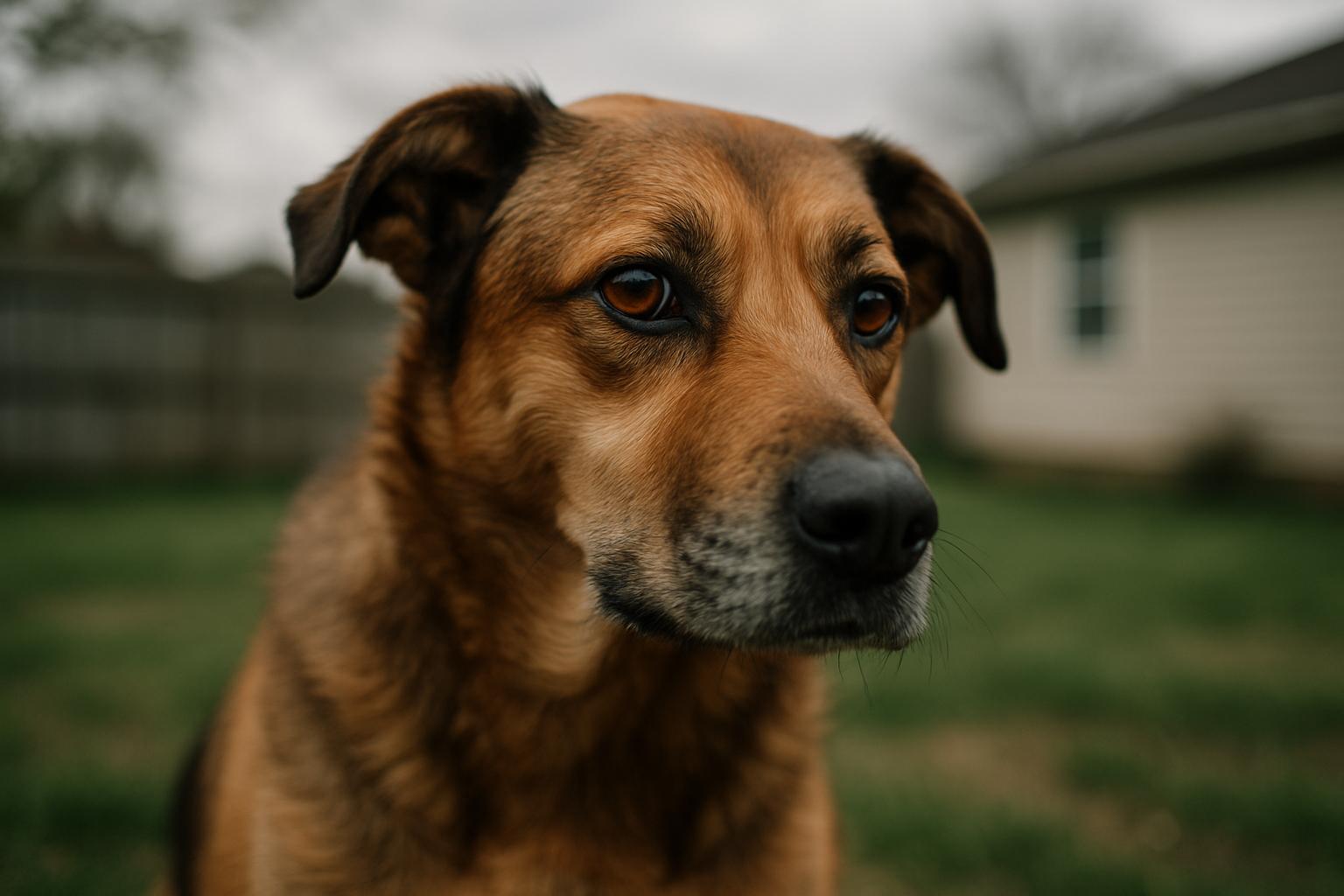
Behaviour consultants Laurie Lawless and Emily Scott say dogs often avoid direct eye contact not out of guilt but to signal they don’t want conflict, using subtle gestures that owners should learn to read. Read On…


Behaviour consultants Laurie Lawless and Emily Scott say dogs often avoid direct eye contact not out of guilt but to signal they don’t want conflict, using subtle gestures that owners should learn to read. Read On…
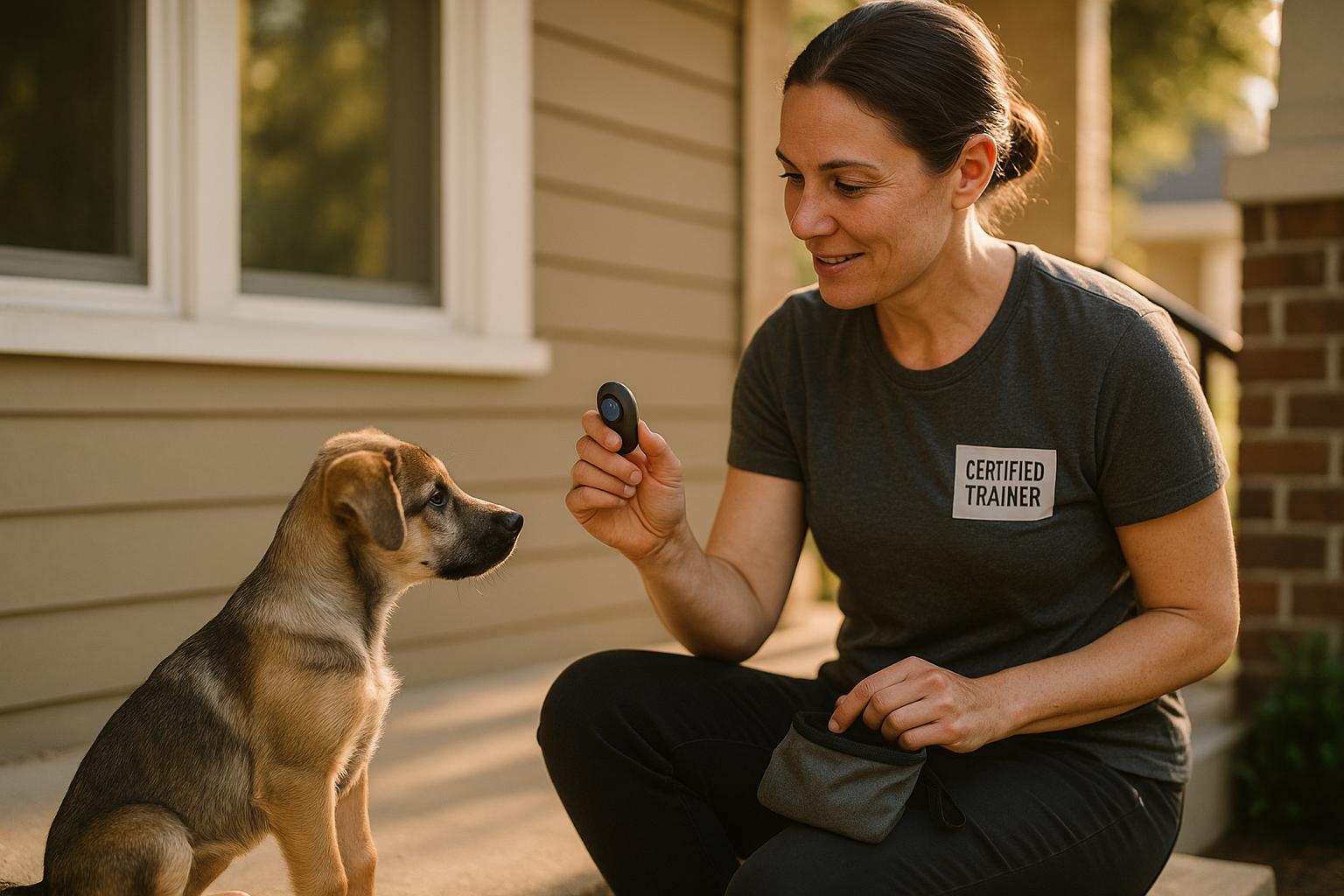
Kinship and Gentle Beast have created a free training series of eight workshops and skill‑building videos for new dog owners, designed for short daily sessions and led by certified trainer Alex Sessa. Read On…

Cathy, writing in the San Antonio Express-News on July 19, 2025, pushed back against a reader’s warning about pit bulls, saying behavior — not breed — determines a dog’s risk and urging responsible ownership. Read On…

Cornbread, a 9-week-old puppy, and Liberty, an approximately 2-year-old shepherd mix, are both awaiting adoption in Massachusetts, with local rescues and shelters helping to place them in loving homes. Read On…

A study led by Eötvös Loránd University examined 5,000 dogs, including French Bulldogs and Pugs, and concluded that behaviour in short-nosed breeds is shaped by both biological traits and human upbringing. Read On…
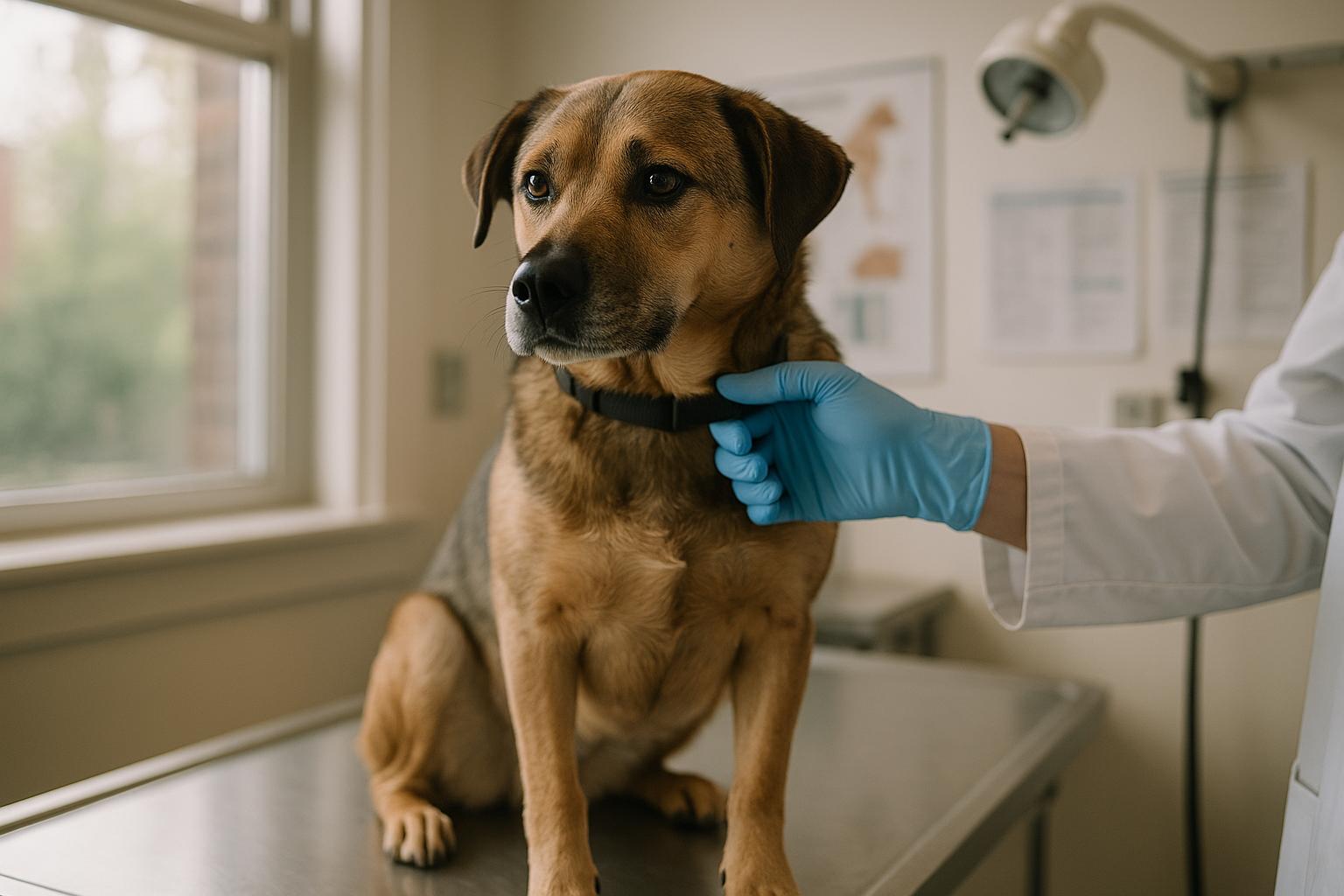
Ithaca, NY is home to several veterinary services, including the Companion Animal Hospital for cats, dogs, exotics and wildlife, Cornell Ruffian Equine Specialists for horses on Long Island, and the Animal Health Diagnostic Center tied to Cornell University's College of Veterinary Medicine. Read On…
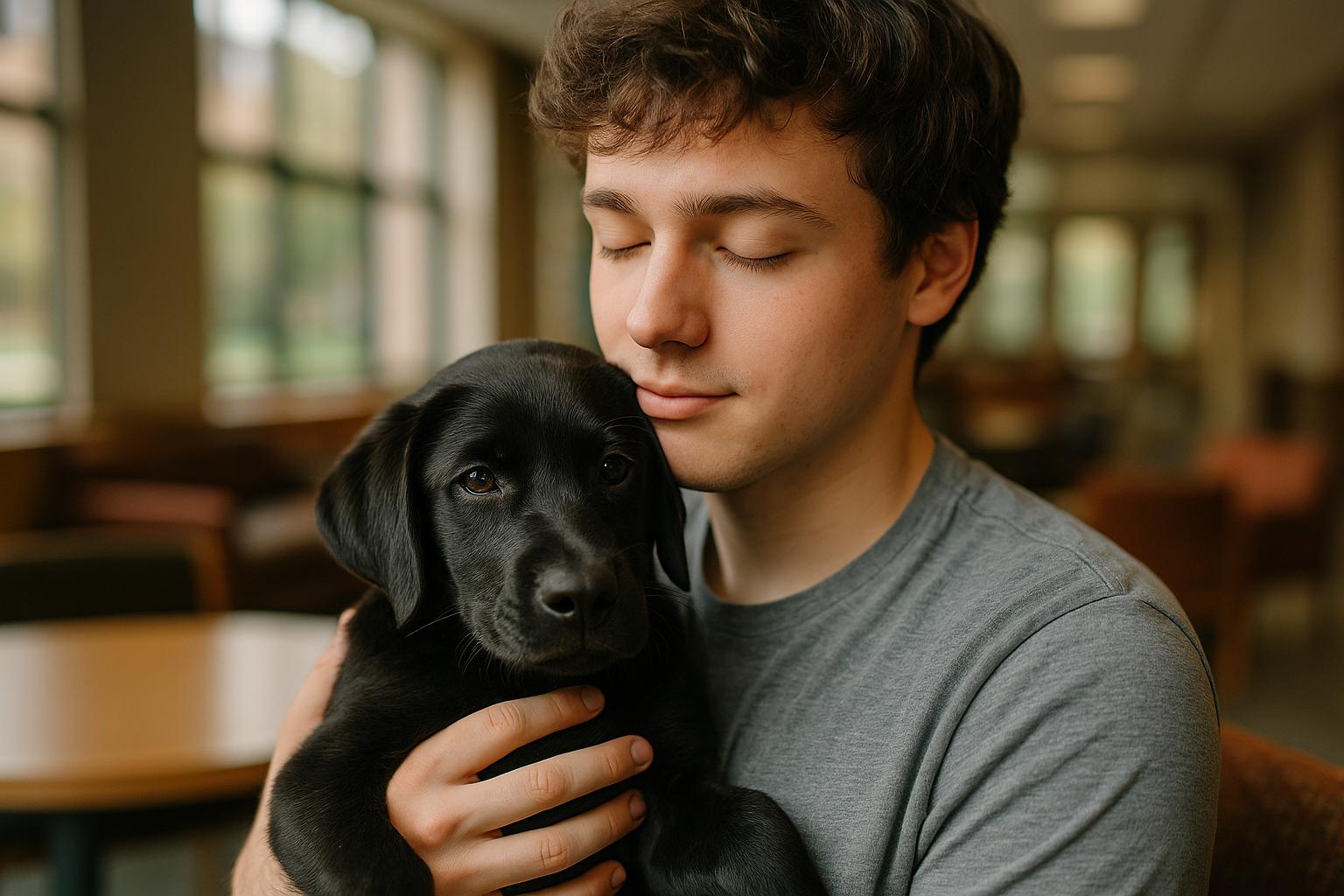
Through student organizations including Puppy Raisers of the University of Delaware (PRoUD), undergraduates in the College of Agriculture and Natural Resources care for service‑dog puppies—receiving them at eight weeks and raising them until 12 to 14 months before they move on to professional training. Read On…

Researchers writing in the Journal of Neuroscience report that structural brain differences between modern and premodern domestic dog lineages—measured across 85 animals—predict variation in trainability and fear-related behavior. Read On…
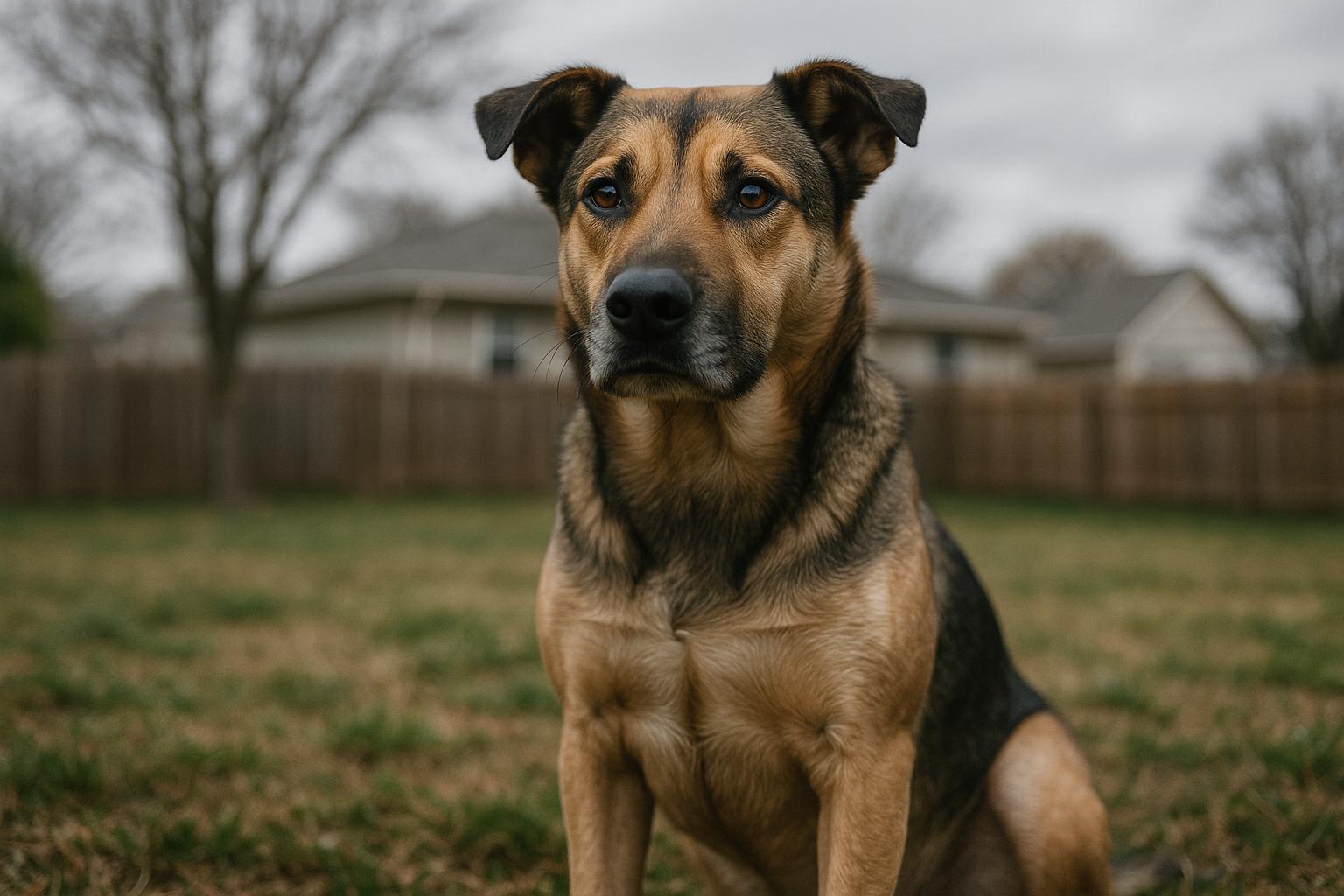
Researchers analyzing tens of thousands of dogs report that pets enrolled during the pandemic had lower average trainability scores, even as aggression levels fell and overall behavioral profiles stayed steady. Read On…

After roughly 8,760 hours of training and professional intervention, Addie said she elected behavioral euthanasia for her dog Spirit when his aggression proved persistent and dangerous. She described repeated biting incidents and an unwillingness to rehome the dog for safety reasons. Read On…