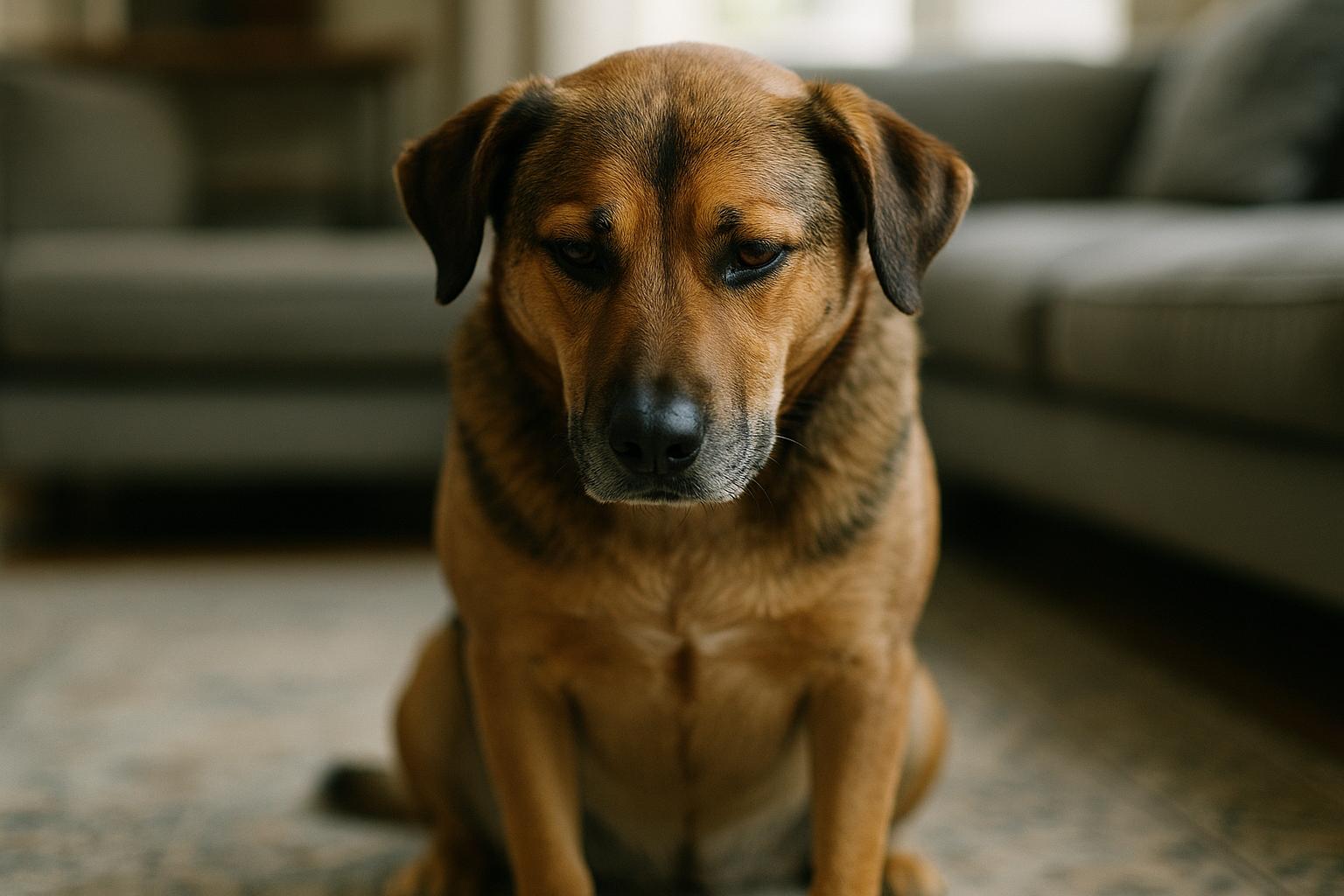
A guide published by The Spruce Pets warns that dogs instinctively conceal illness and describes subtle cues—such as lowered heads, awkward sitting and altered gaits—that should prompt owners to seek veterinary advice. Read On…


A guide published by The Spruce Pets warns that dogs instinctively conceal illness and describes subtle cues—such as lowered heads, awkward sitting and altered gaits—that should prompt owners to seek veterinary advice. Read On…

Research led by Texas A&M’s College of Veterinary Medicine and Biomedical Sciences, using Dog Aging Project data, found that more than 99% of dogs in the United States display at least one moderate-to-severe behavior problem, with fear, anxiety, aggression and attachment behaviors most frequently reported. Read On…

Veterinarians caution that a one-size-fits-all exercise plan can fail dogs: breed, individual energy and lifestyle determine how much physical and mental activity a dog needs to stay healthy. Read On…
A Kinship piece draws on veterinary and training expertise to outline routine human actions that can stress or confuse dogs, and suggests more mindful ways to interact with them. Read On…

When a dog freezes on a walk it may be signaling fear, discomfort or a learned response, experts say. Trainers and vets urge owners to look for physical and environmental clues rather than blame. Read On…
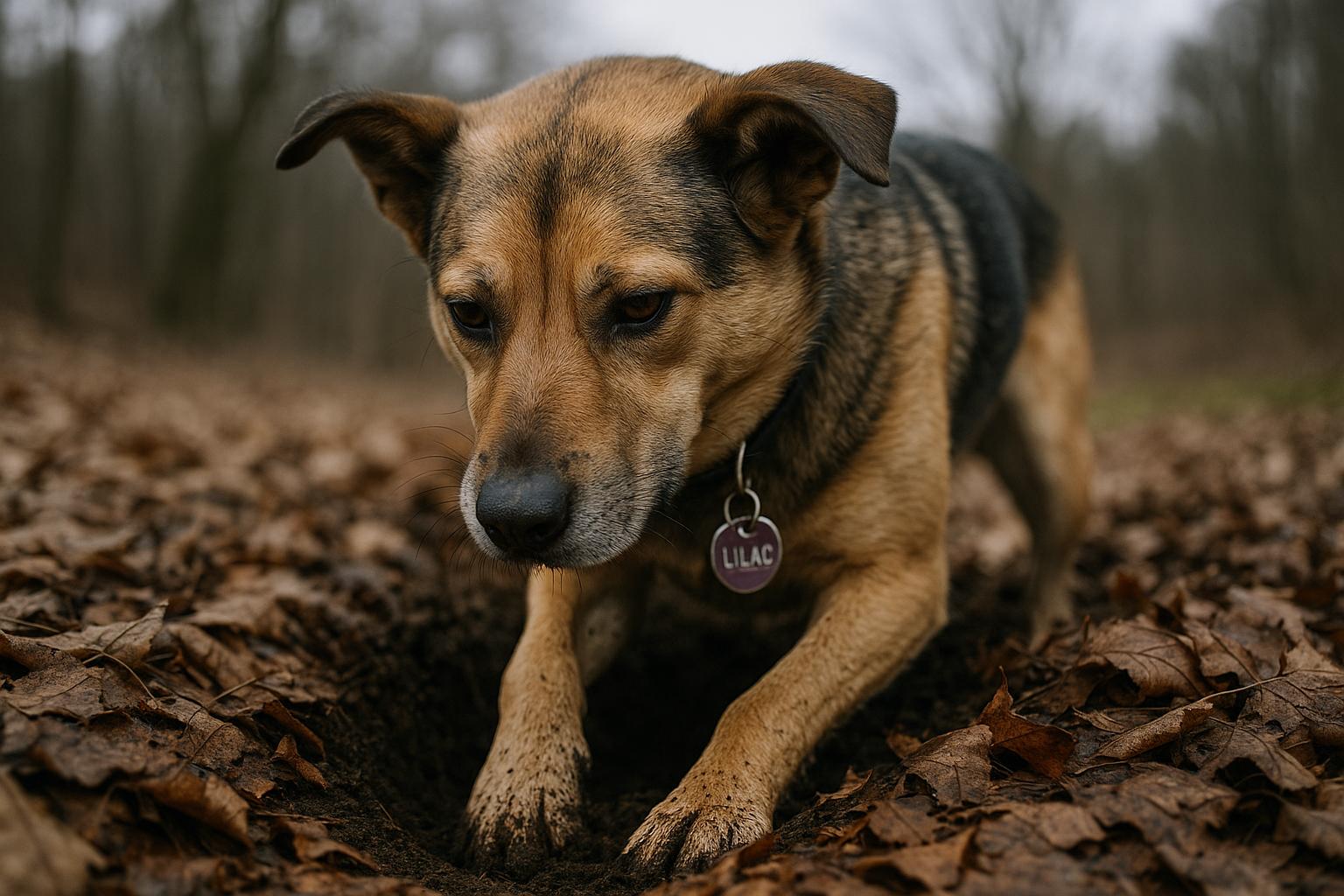
Veterinarians attribute dogs' bone-burying to inherited instincts and a mix of motives such as caching, stimulation and anxiety, illustrated by pets Lilac and Grendel. Read On…
Veterinarians and trainers say barking at apparent nothing often reflects a dog’s superior senses or a behavioral response; experts recommend enrichment, routine exercise and background noise to reduce unnecessary alerts. Read On…
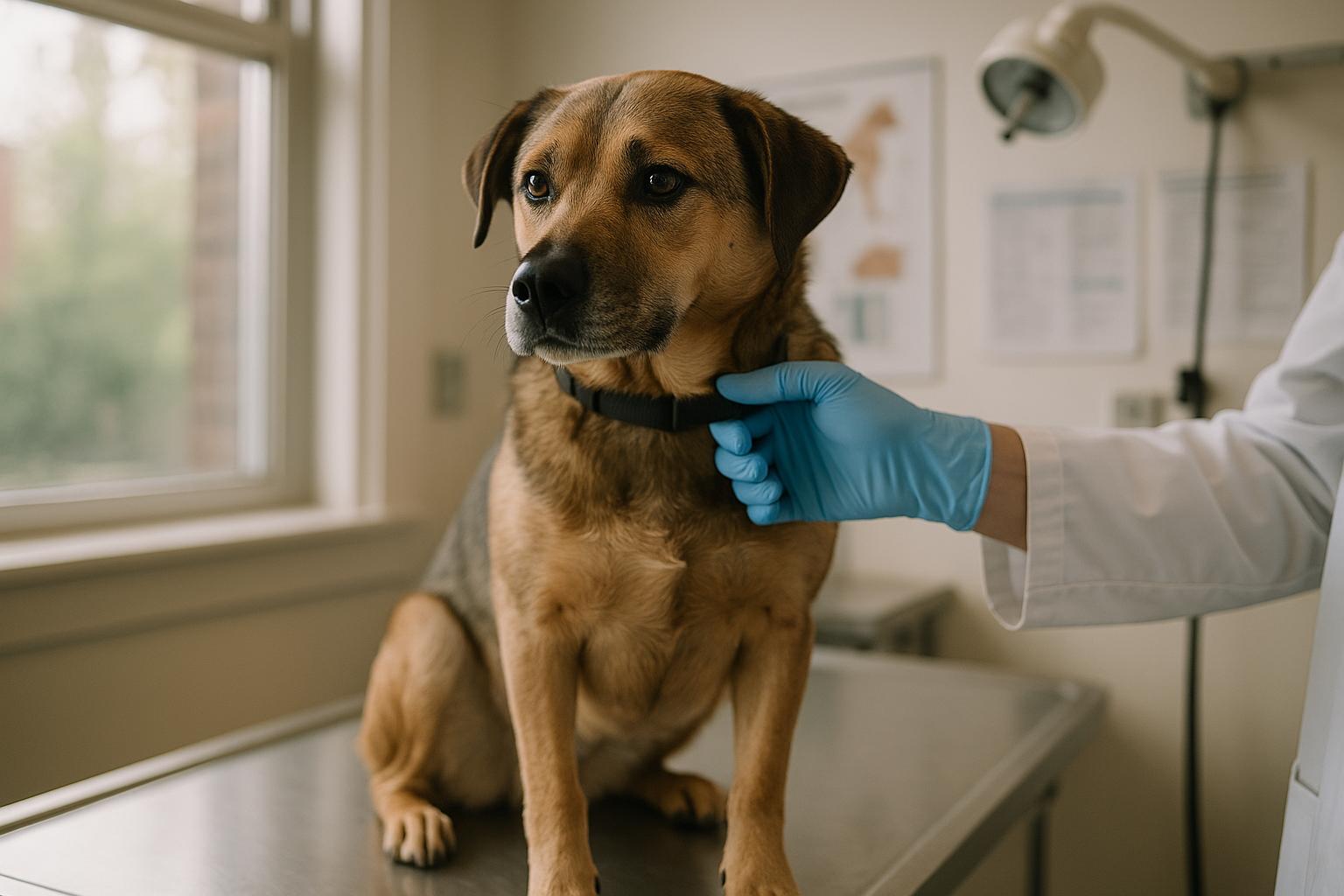
Ithaca, NY is home to several veterinary services, including the Companion Animal Hospital for cats, dogs, exotics and wildlife, Cornell Ruffian Equine Specialists for horses on Long Island, and the Animal Health Diagnostic Center tied to Cornell University's College of Veterinary Medicine. Read On…
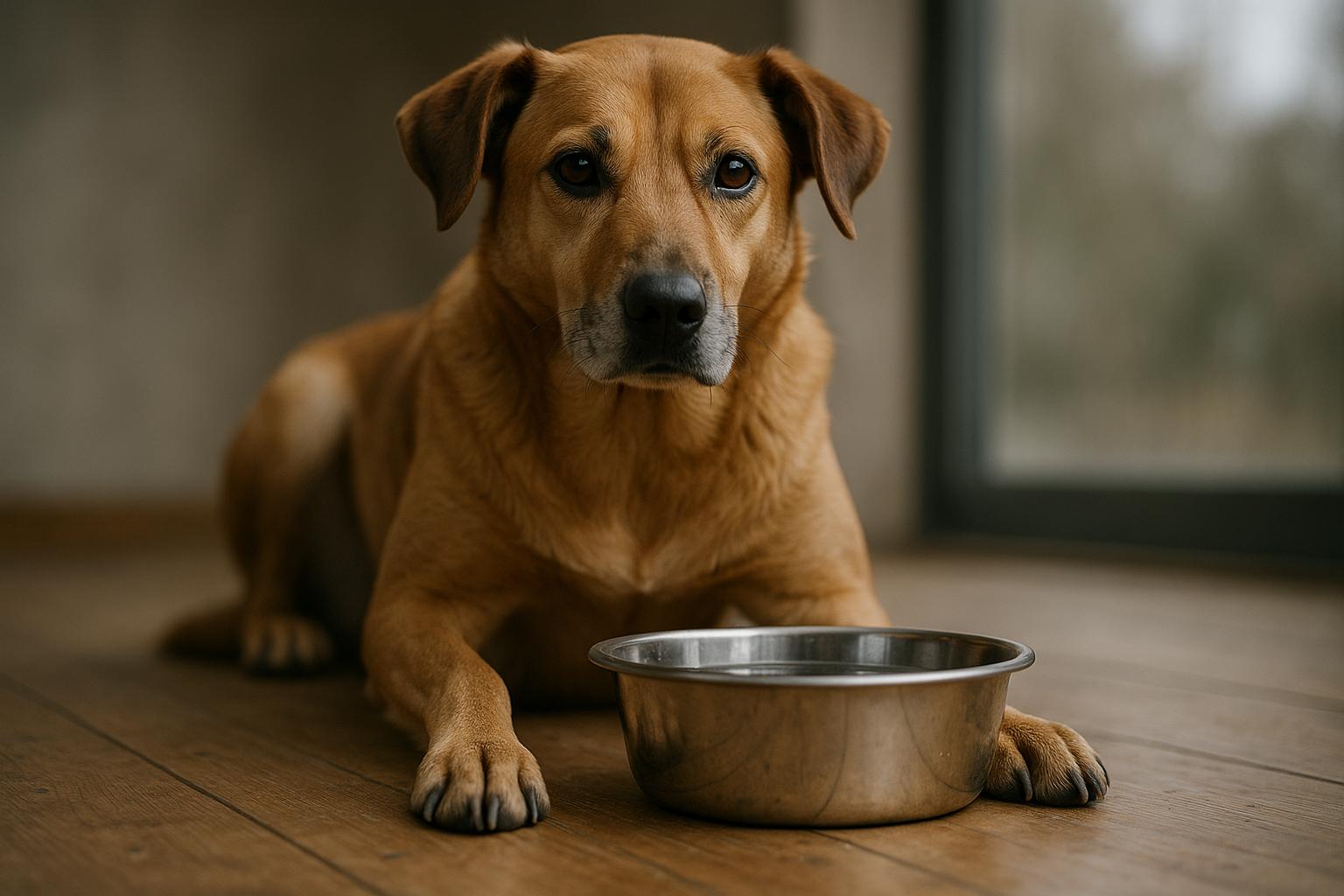
Veterinarian James Greenwood says dogs commonly drink less water during the colder months because their bodies conserve fluids, though dry winter air means owners should keep fresh water accessible. Read On…

Emergency veterinarian Dr. Ezra Ameis and dog trainer Ali Smith explain that rain can be a sensory onslaught for dogs — louder sounds, muted smells and wet fur — and that avoiding rainy outings can worsen anxiety. Read On…