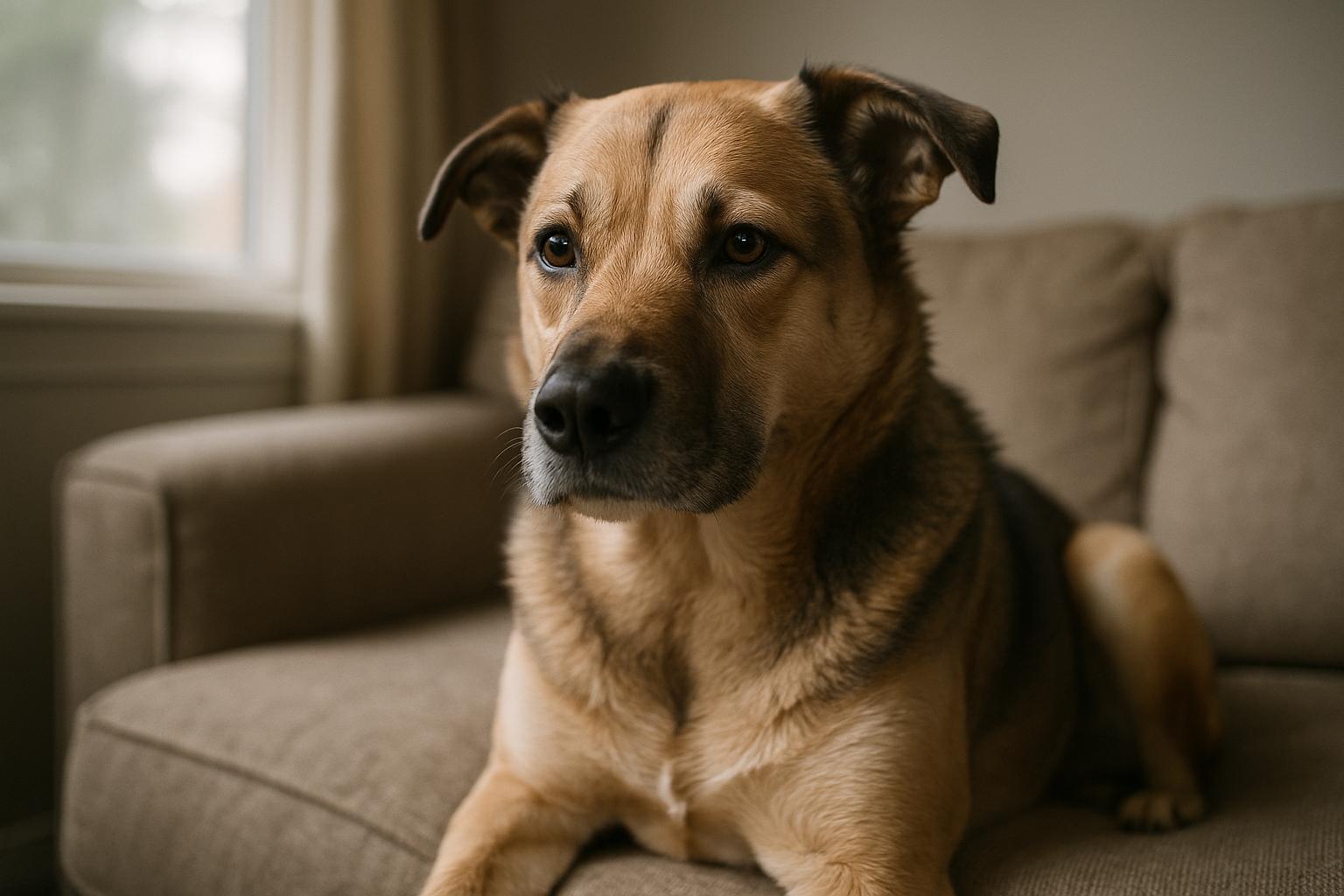
Valarie V. Tynes, DVM, of the SPCA of Texas says dogs don’t naturally interpret human kisses as affection; some tolerate them, but many show subtle signs of discomfort. Read On…


Valarie V. Tynes, DVM, of the SPCA of Texas says dogs don’t naturally interpret human kisses as affection; some tolerate them, but many show subtle signs of discomfort. Read On…
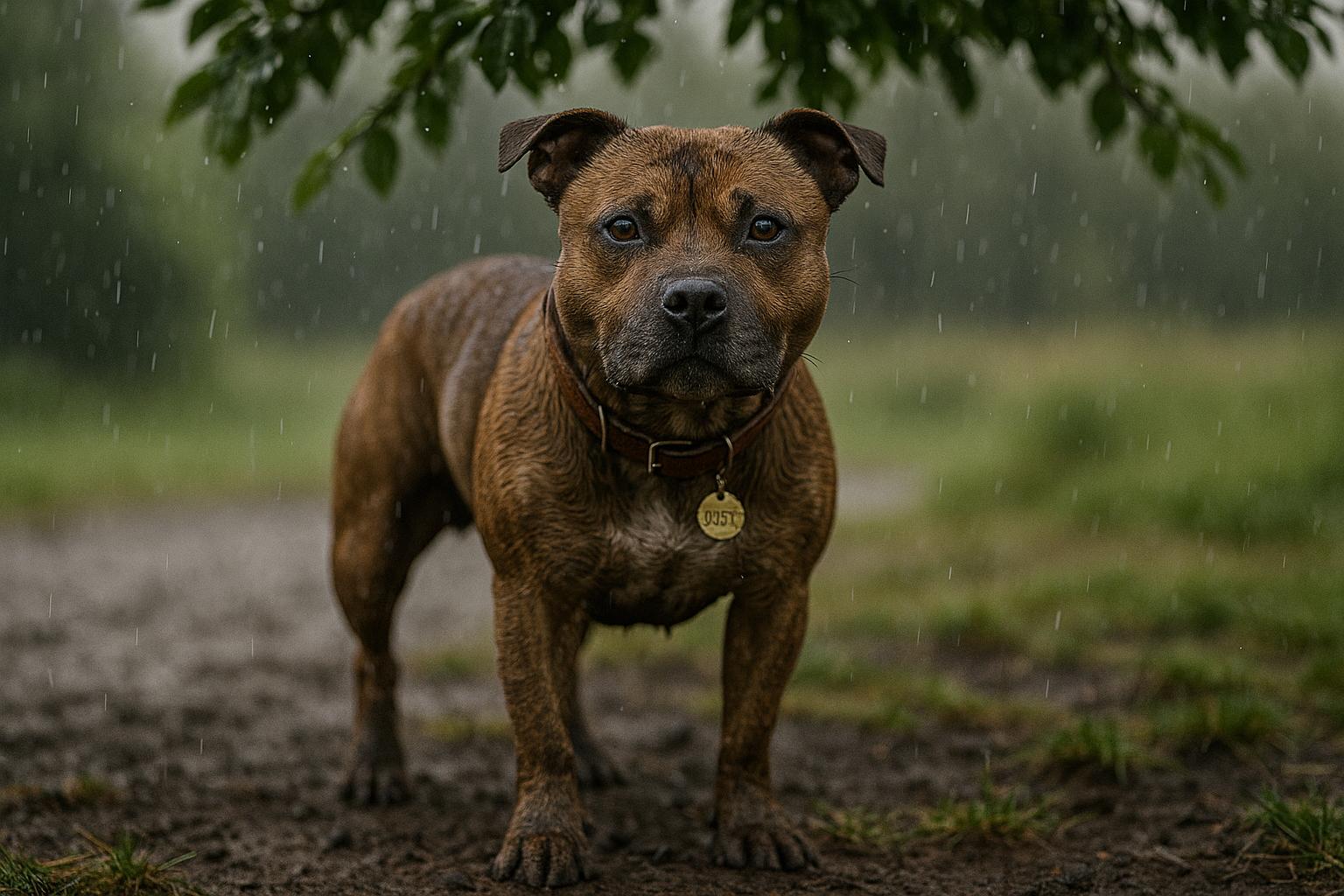
A short social video contrasts a Staffy called Joey trudging through muddy fields in winter with the same dog sprinting and joyful in summer, joined by two spaniels, and prompted viewers to compare the behaviour to seasonal moods. Read On…
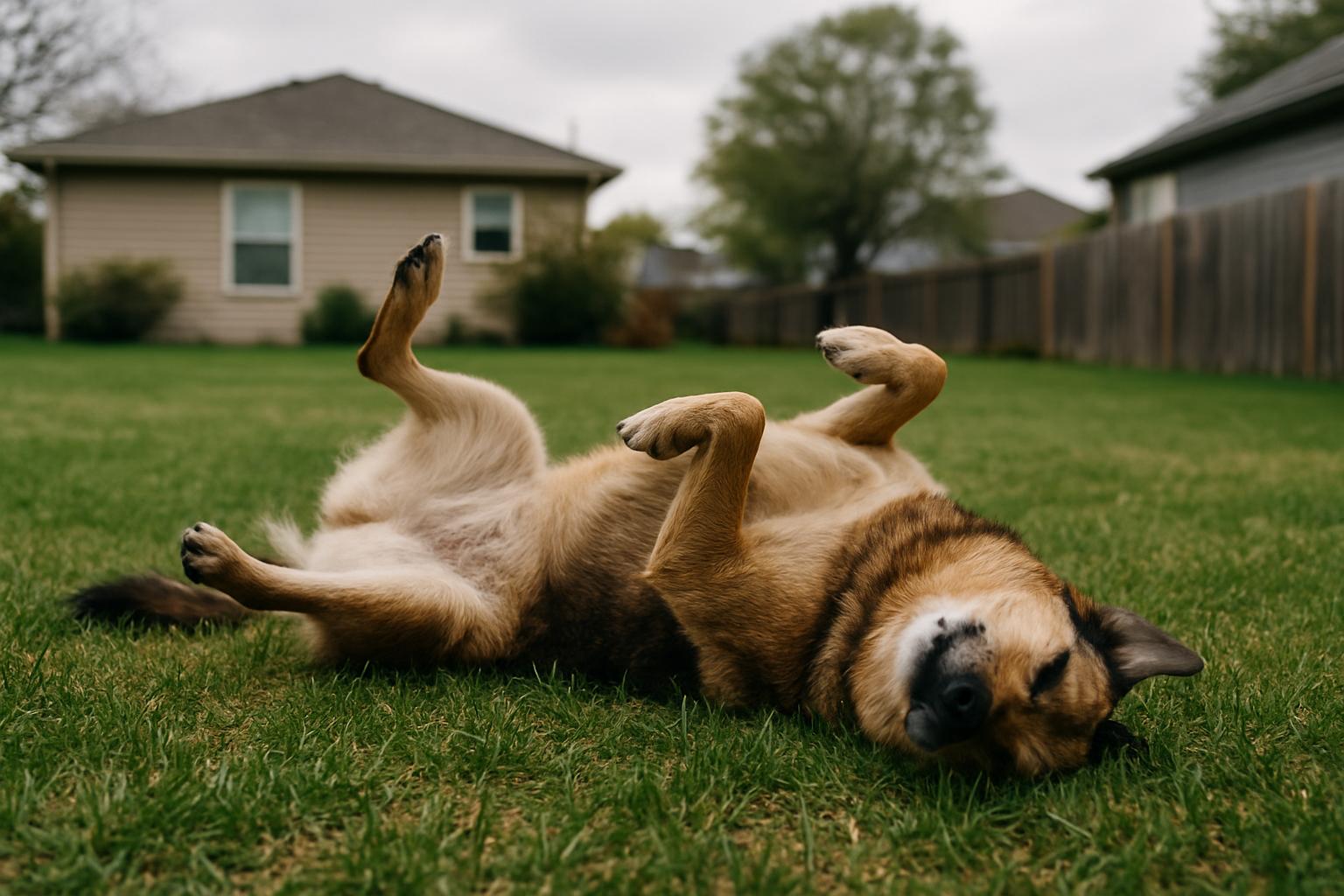
Dogs often roll in grass to hide their scent, leave a message for other animals or because it feels good, and guidance from The Spruce Pets offers ways to limit unwanted rolling when allergies or fouling are a concern. Read On…
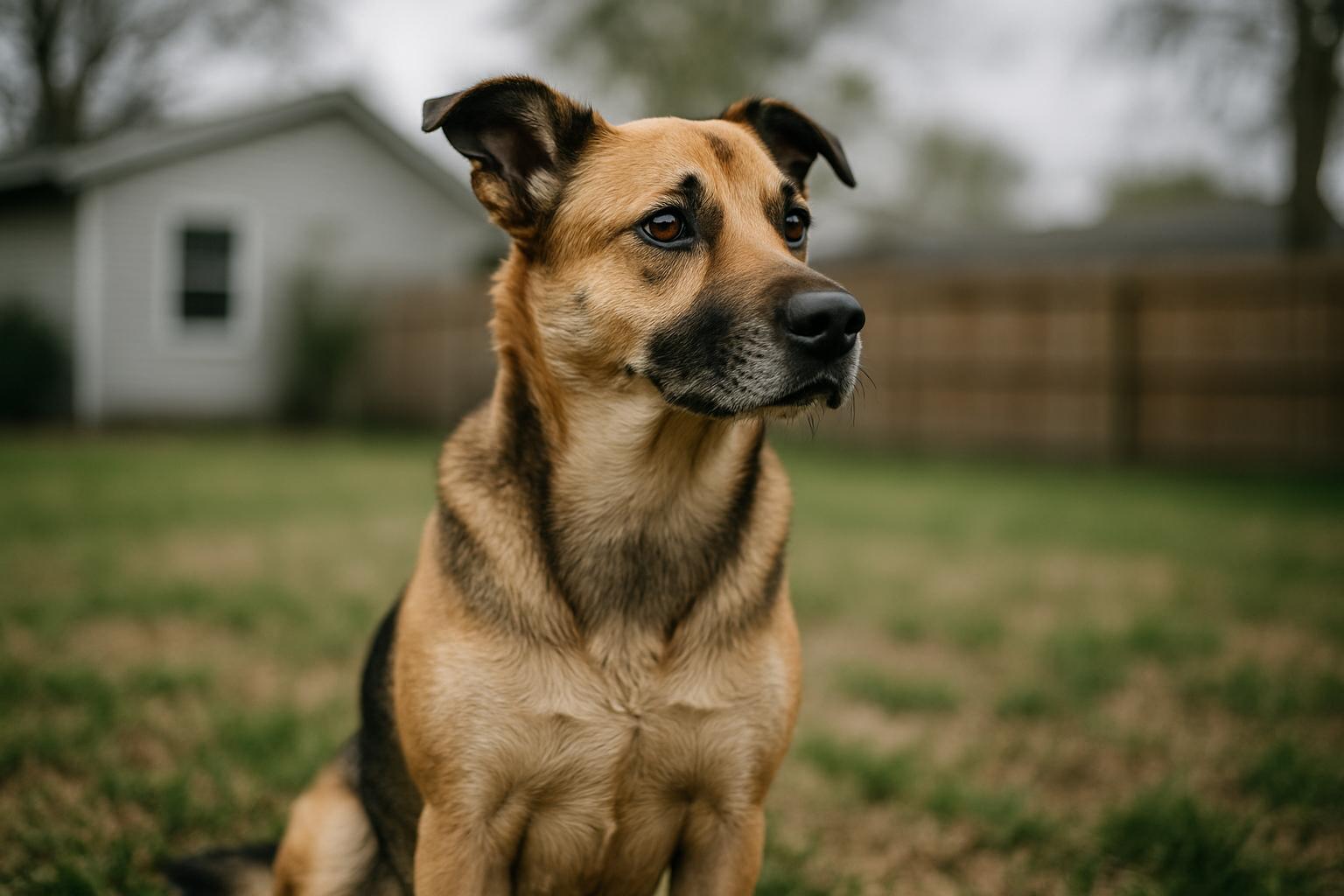
Dogs can detect emotional and biological signals that indicate threat, fear or illness, and may respond by barking, growling or hiding — reactions shaped by their superior scent, vision and hearing. Read On…
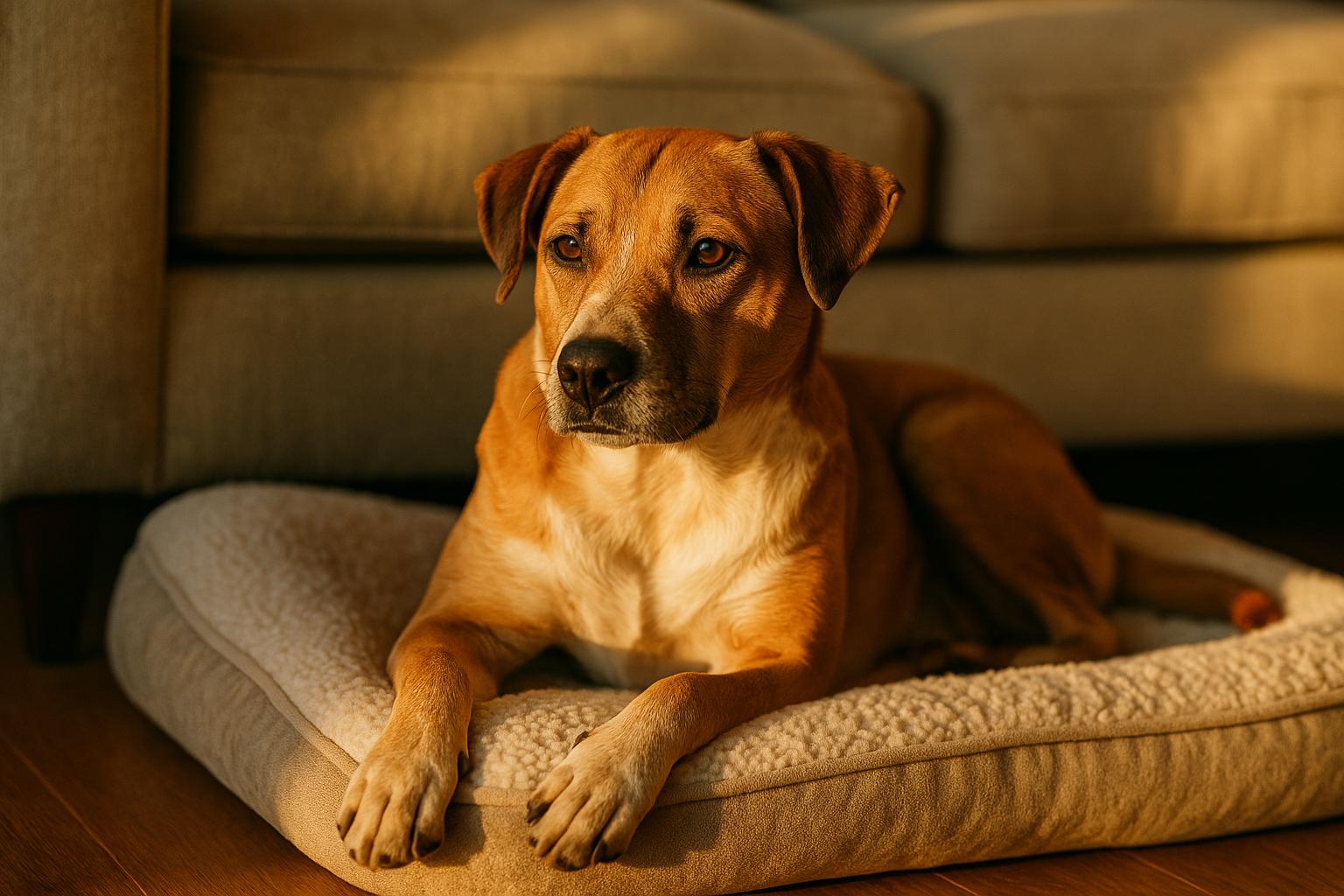
A Kinship guide from certified trainer Sassafras Patterdale says teaching a dog to stay off the sofa requires deliberate alternatives, consistent effort and patience. Read On…
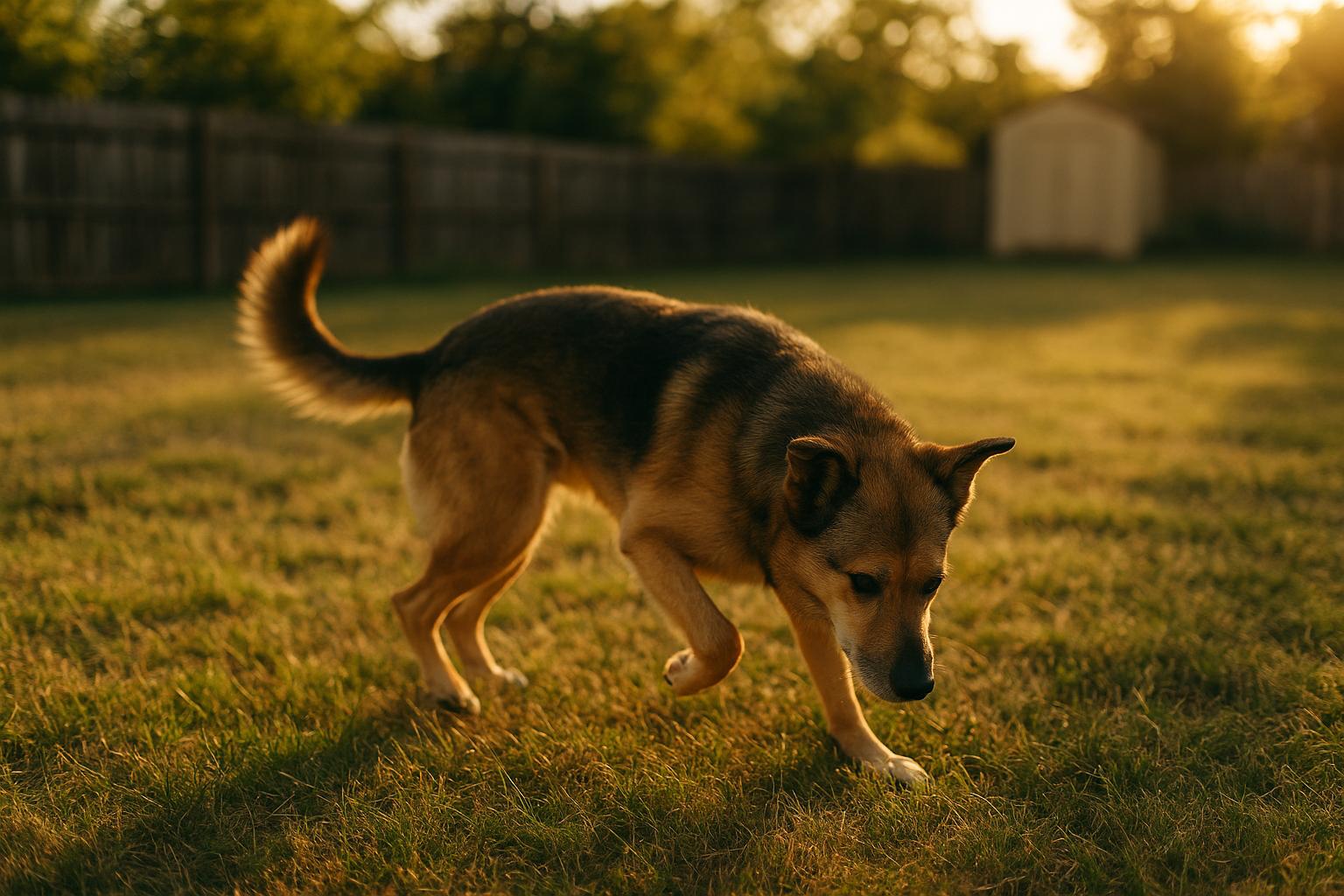
A PetsRadar piece catalogs 20 odd but normal canine habits and links them to instinctual roots and social signaling, offering owners context for behaviors that often provoke alarm or amusement. Read On…
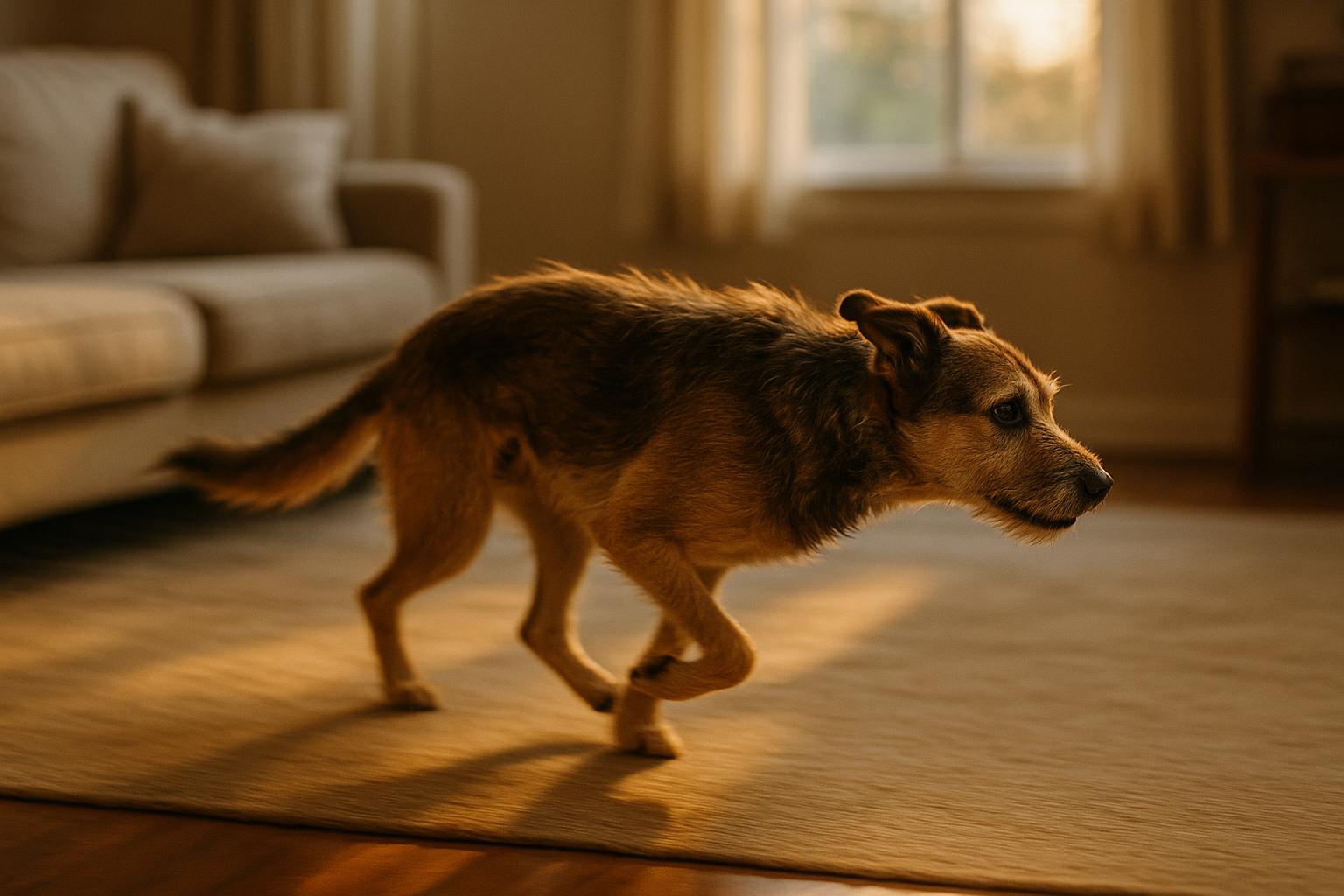
Dog zoomies are brief, intense spells of running and chasing that owners often see after baths, during play or when a dog is excited or stressed. The behavior is widely observed and described in vivid terms: sprinting like a track athlete, low-to-the-ground circles and dramatic play bows. Read On…
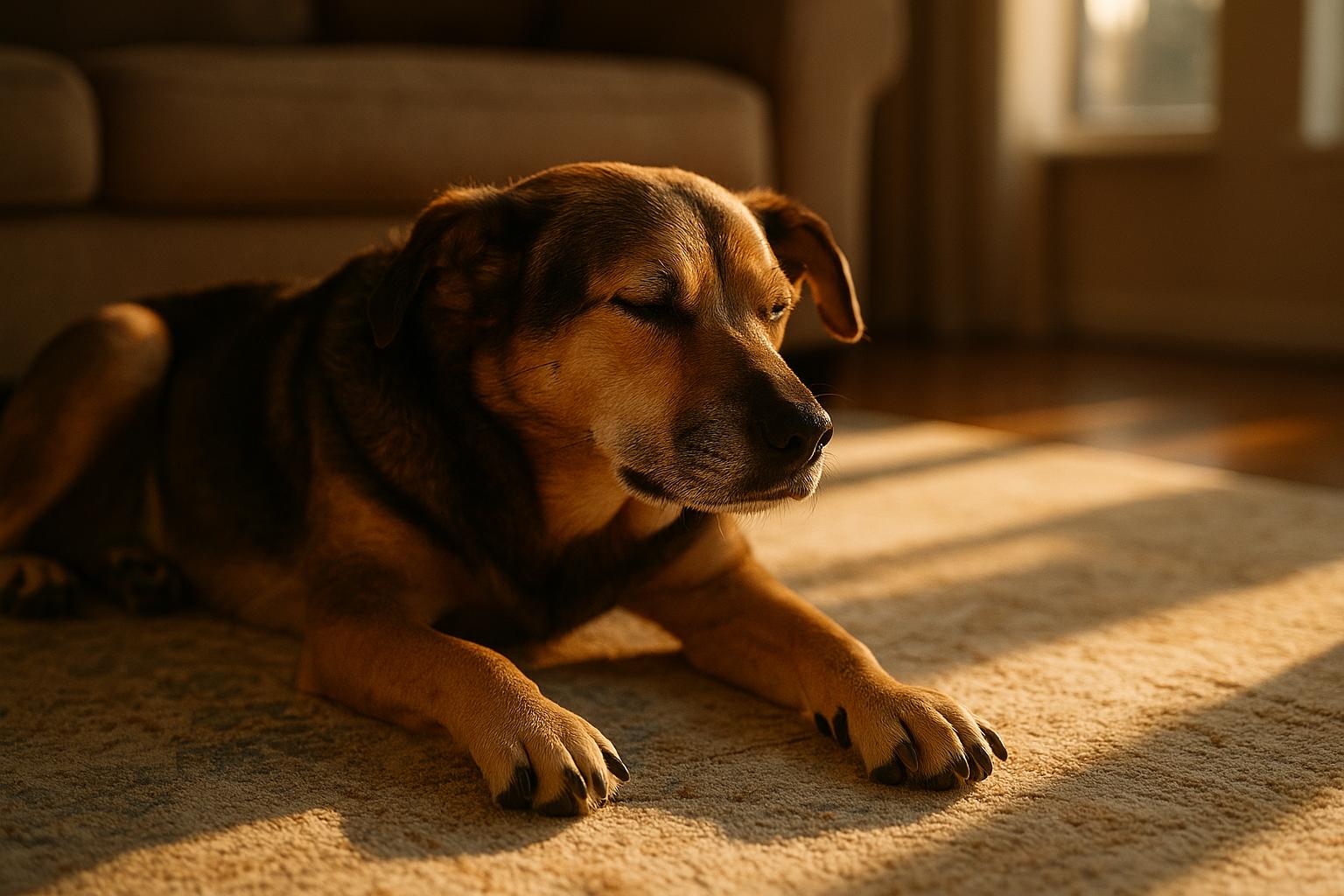
A Kinship piece draws on veterinary and training expertise to outline routine human actions that can stress or confuse dogs, and suggests more mindful ways to interact with them. Read On…
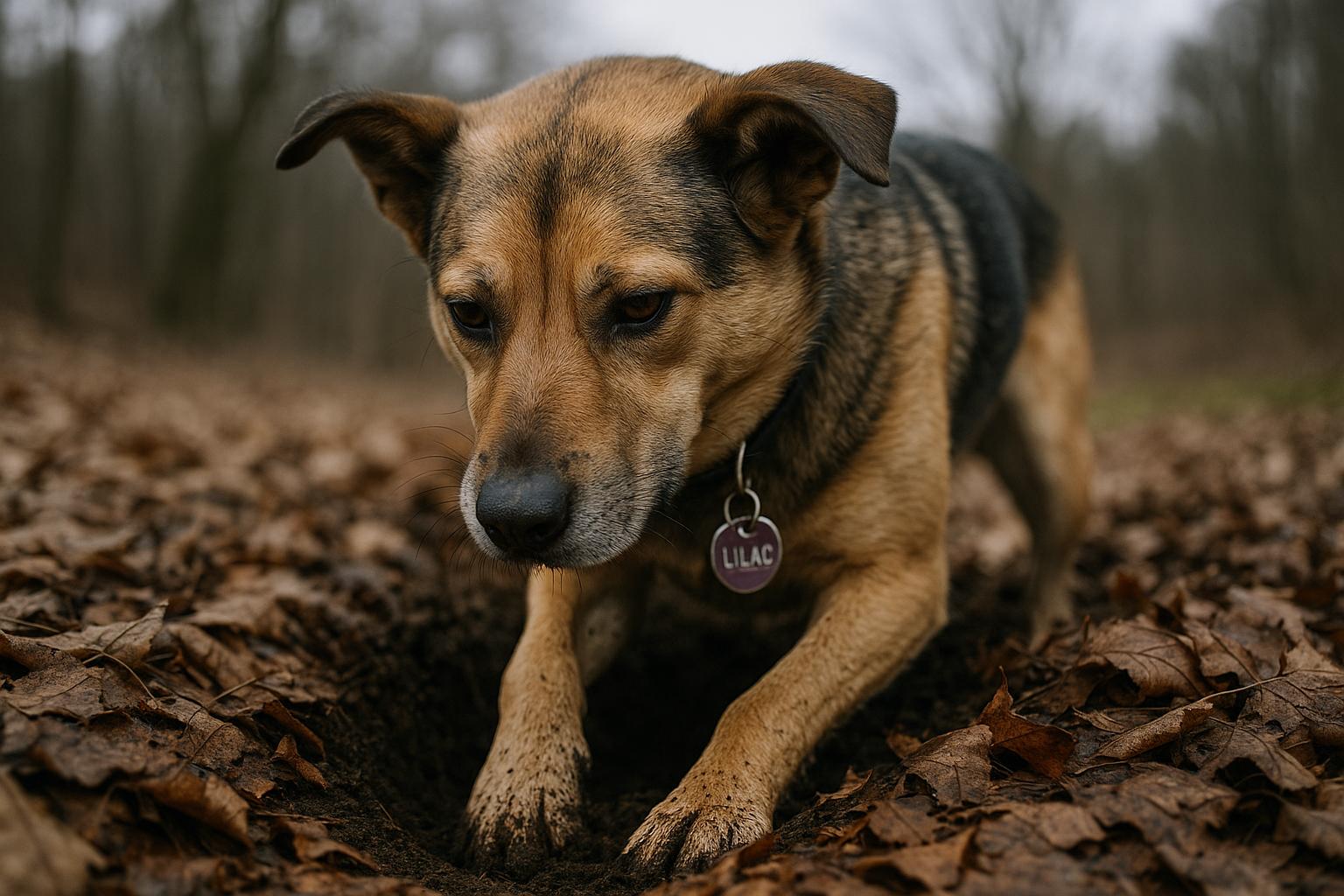
Veterinarians attribute dogs' bone-burying to inherited instincts and a mix of motives such as caching, stimulation and anxiety, illustrated by pets Lilac and Grendel. Read On…
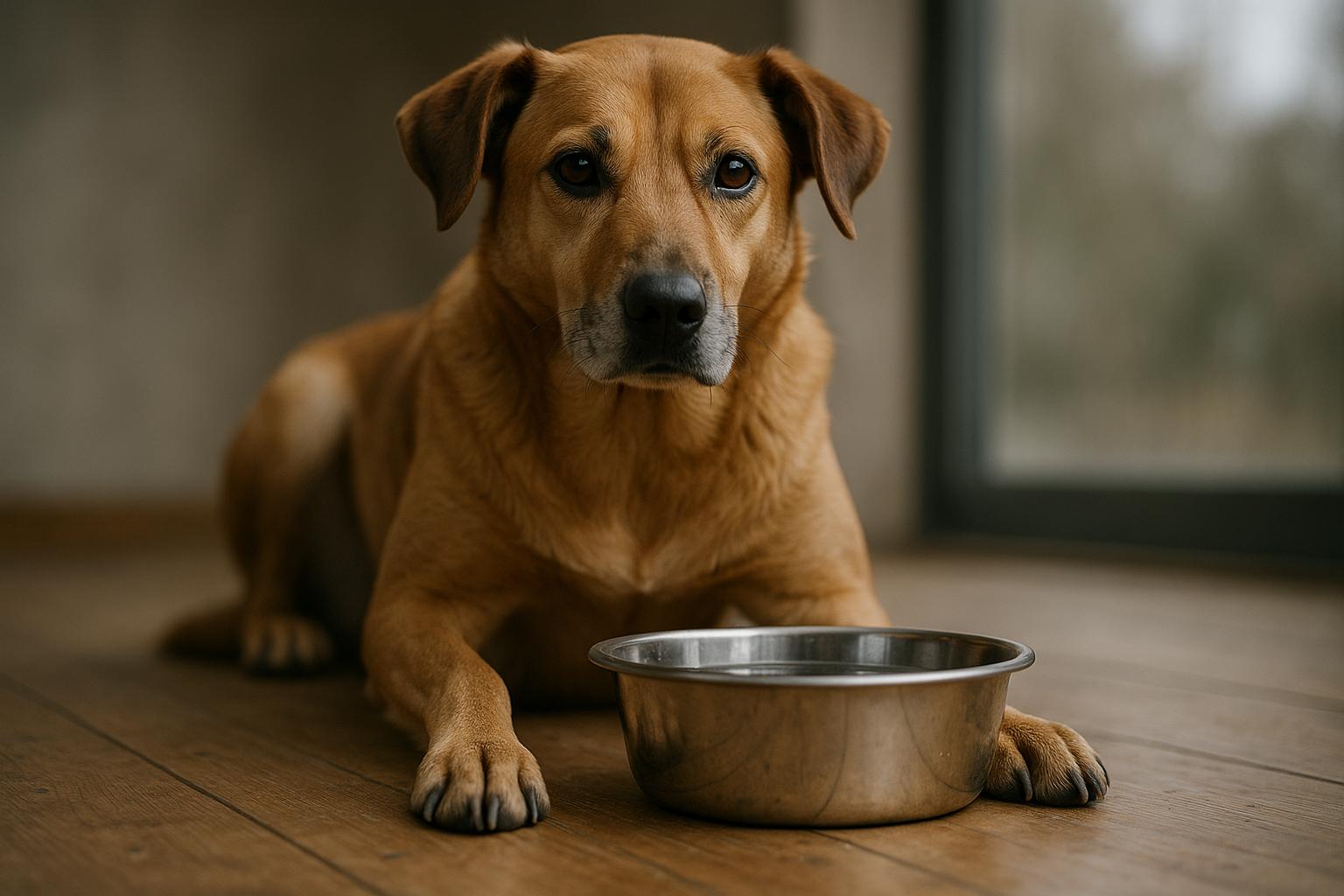
Veterinarian James Greenwood says dogs commonly drink less water during the colder months because their bodies conserve fluids, though dry winter air means owners should keep fresh water accessible. Read On…