
Pet owners have noticed dogs moving slowly and appearing glassy-eyed under Christmas trees. Veterinarians and trainers say the behavior — often called trancing — is common around low-hanging branches and usually not a medical emergency. Read On…


Pet owners have noticed dogs moving slowly and appearing glassy-eyed under Christmas trees. Veterinarians and trainers say the behavior — often called trancing — is common around low-hanging branches and usually not a medical emergency. Read On…

A 4-month-old blue heeler in Louisiana has begun urinating indoors as often as every 20 to 30 minutes despite being crate-trained and having completed obedience class, and a veterinarian recommends a clinical evaluation for a possible bladder problem. Read On…
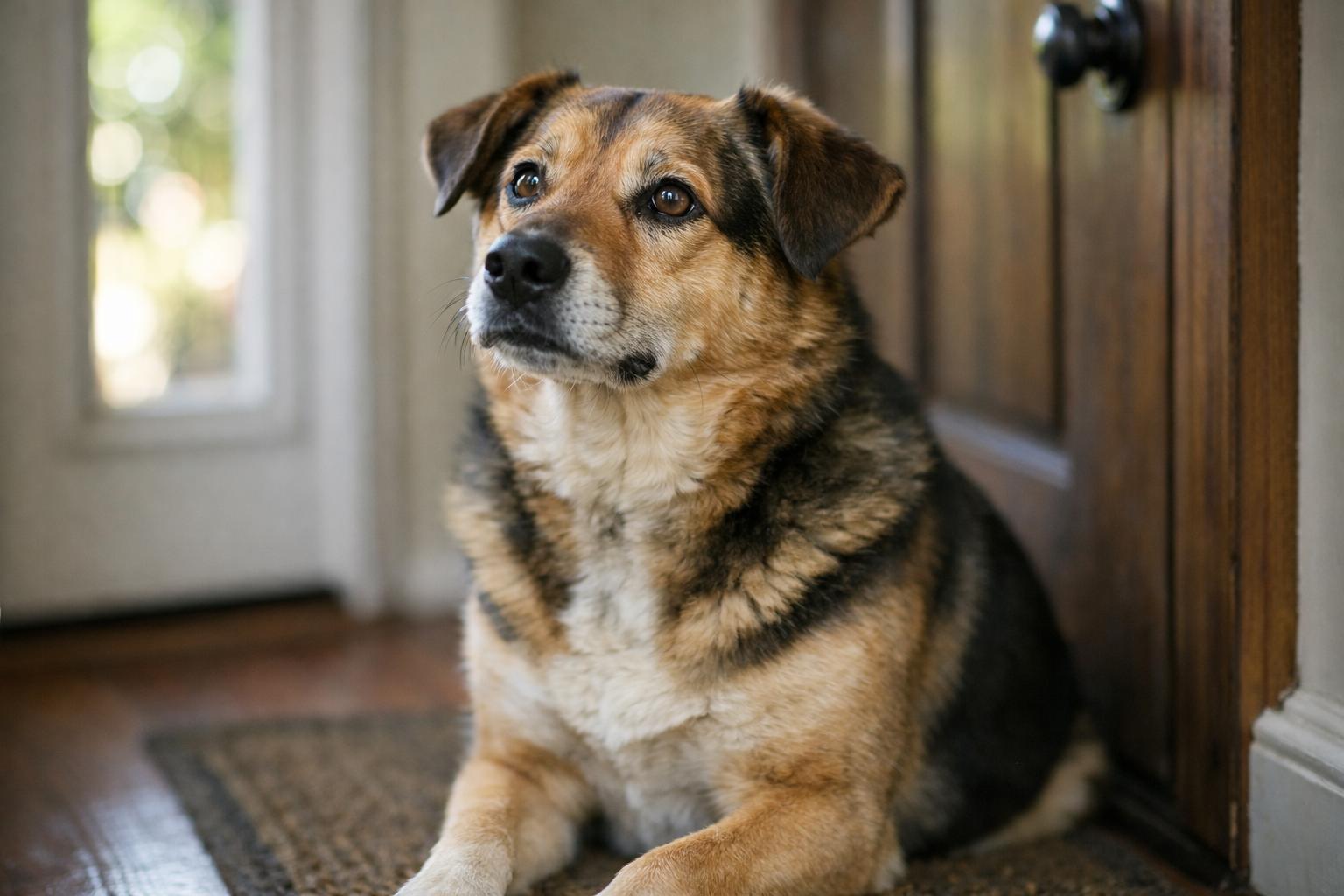
Deb Nabb, The Mutt Master, says dominance confusion — when a dog is unsure who leads — prompts boundary-testing behaviours and that clear, calm leadership helps dogs feel secure and relaxed. Read On…

Fear in dogs produces measurable physical changes and distinct body-language signals that owners often miss, writes Grisha Stewart for Dogster. Read On…

Experts at VCA Mesa Animal Hospital and St. Hubert’s Animal Welfare Center describe how dogs may exhibit mood-like shifts on waking, list common behavioral signs, and advise owners to rule out medical causes before assuming a purely emotional issue. Read On…
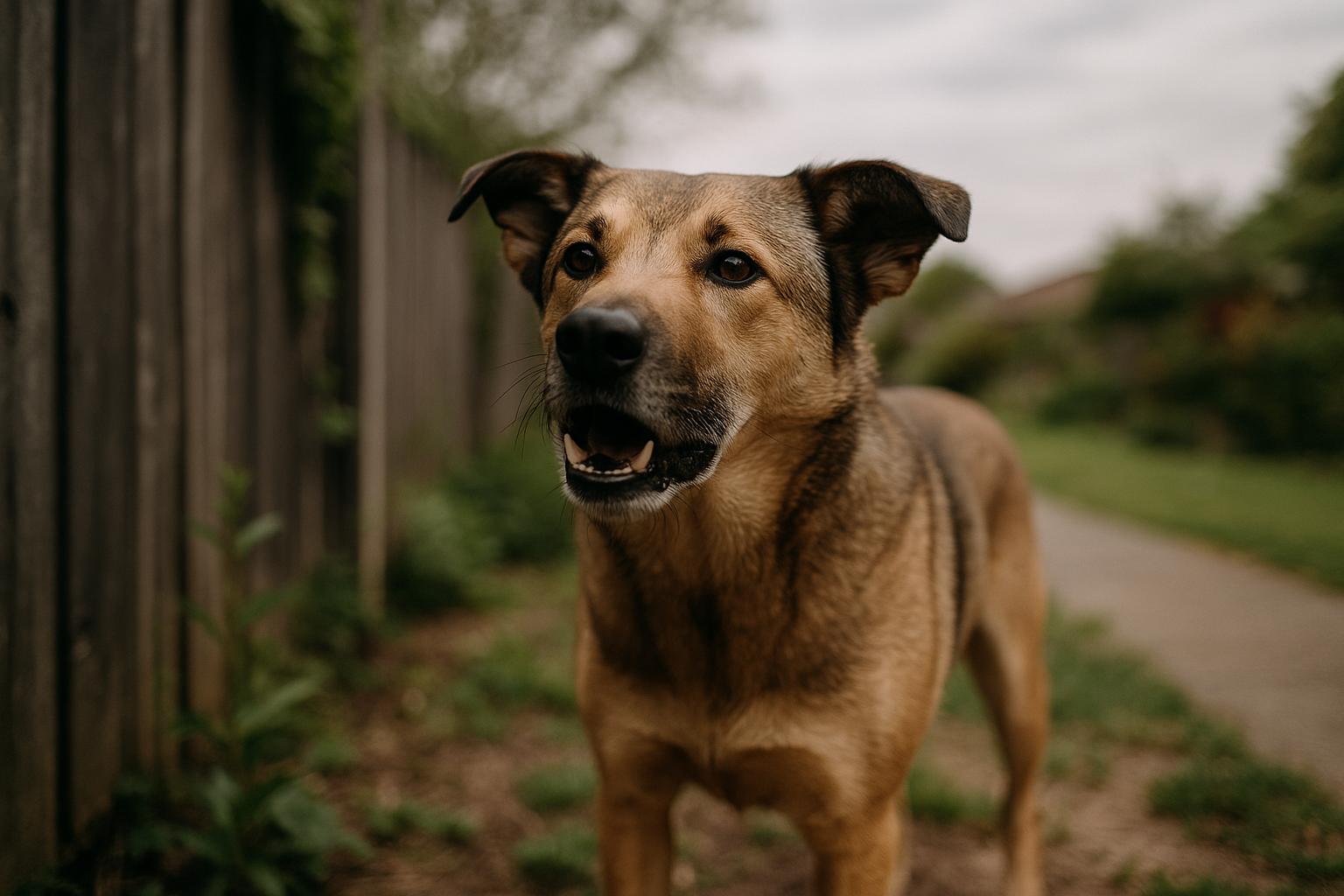
Barking is normal dog communication, but when it becomes persistent it often reflects social needs, separation stress or a learned belief that barking achieves a goal. Recognizing the underlying cause is the first step toward reducing nuisance barking. Read On…

Recognizing canine sadness means watching for shifts in activity, interest and social behaviour, then responding with veterinary care, predictable routines and changes to the home environment. Read On…
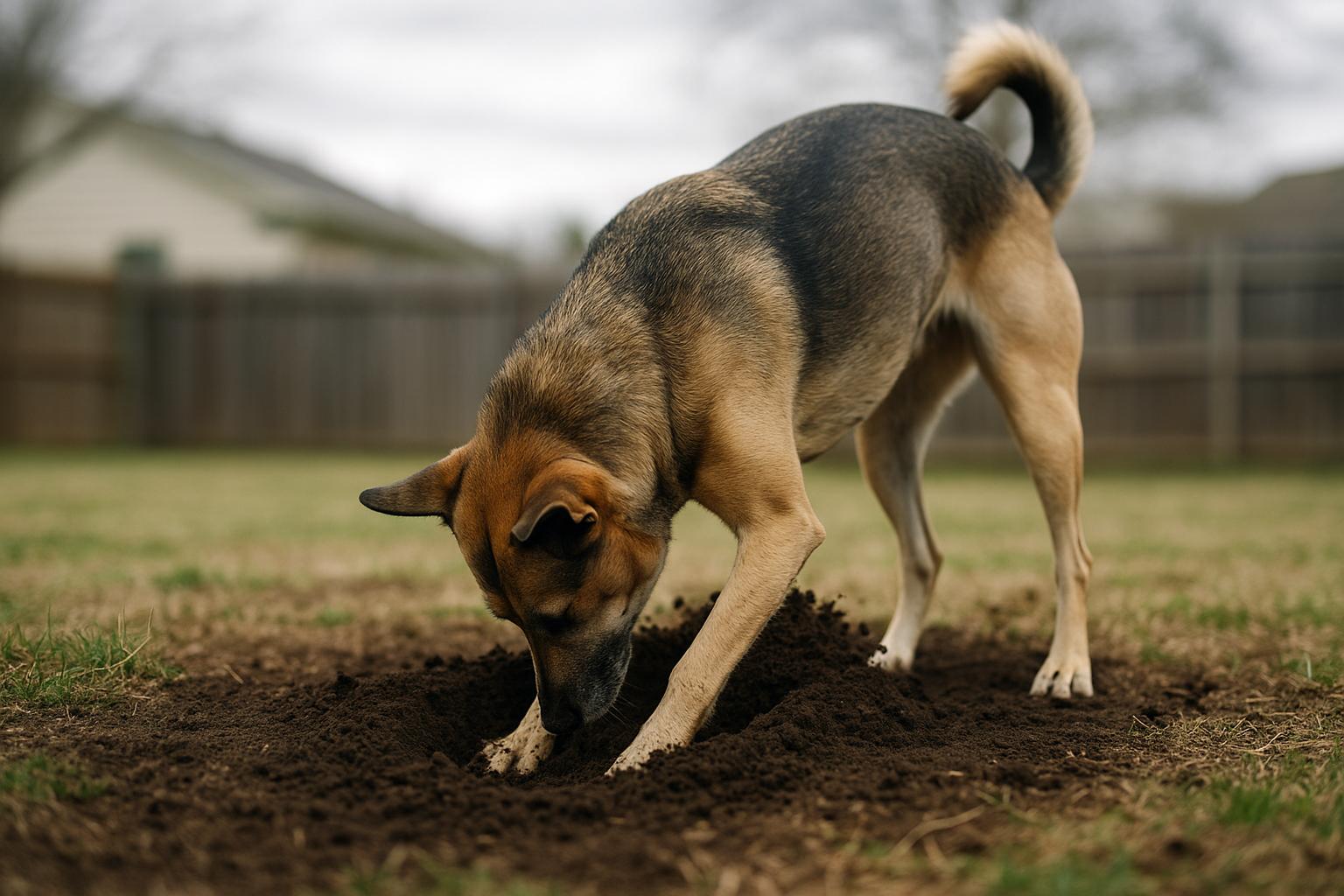
Humane World for Animals outlines why dogs dig and offers practical, humane strategies—from designated digging areas to exercise and environmental management—to help owners curb destructive digging. Read On…

Melissa Goodman, a certified dog trainer at Mission Pawsitive, demonstrated a method that built impulse control and allowed a dog to be petted without jumping within minutes. Read On…
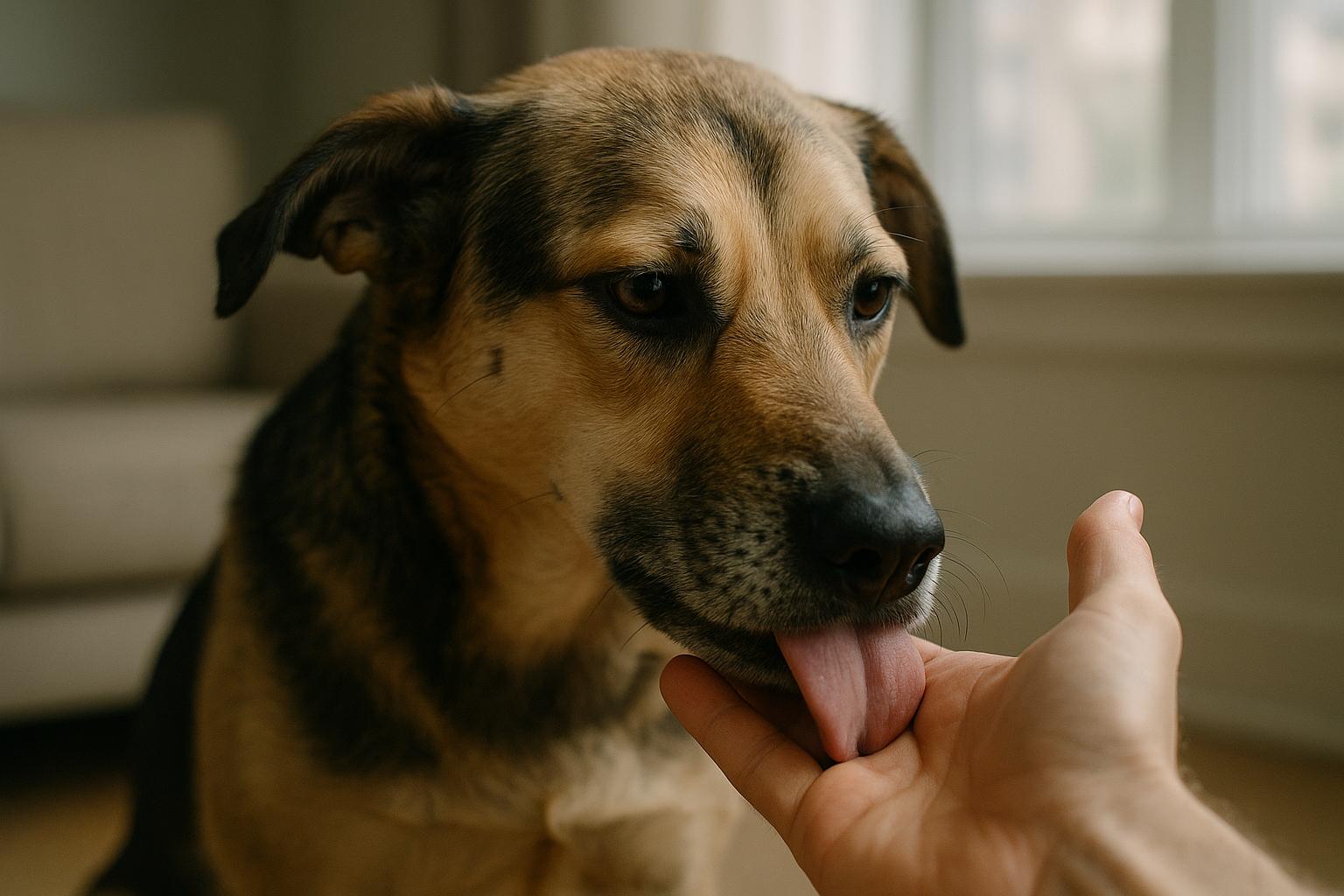
Veterinary specialist Mariana Pardo tells Daily Paws that dogs lick their humans to show affection, get attention or signal needs like play or food. The behaviour can be reinforced by human response and simple sensory attractions such as salty skin or sweaty feet. Read On…